
🐾 Epic Tails Academy (Quarterly Event) • Learn More ›
11 At-Home Pet Health Checks Vets Want You to Do Monthly

Taking care of your pet goes beyond feeding and daily walks. Regular observation at home can help you notice small changes before they become serious problems. Many pet owners wait until symptoms become obvious. Still, early detection often leads to faster recovery and a lower likelihood of needing complex treatments, which is why veterinarians strongly encourage routine at-home checks between clinic visits.
A simple pet health check done every month can make a big difference in your pet’s overall well-being. You do not need advanced tools or medical training to perform these checks. All you need is attention, patience, and a basic understanding of what is normal for your pet. This guide will walk you through practical steps to stay proactive about your pet’s health.
Why Monthly At-Home Checks Matter for Your Pet
Pets cannot tell you when something feels wrong, so they rely on you to notice subtle changes. Monthly checks help you build a clear picture of your pet’s normal behavior, appearance, and habits. When you know what is normal, you can quickly spot anything unusual and take action early.
These checks also support at-home preventive care for pets, which plays a key role in preventing serious illnesses. Regular monitoring helps reduce emergency visits and keeps your pet comfortable throughout the year. It also strengthens your bond as your pet becomes more accustomed to being handled gently and calmly.
1. Check Your Pet’s Eyes Carefully
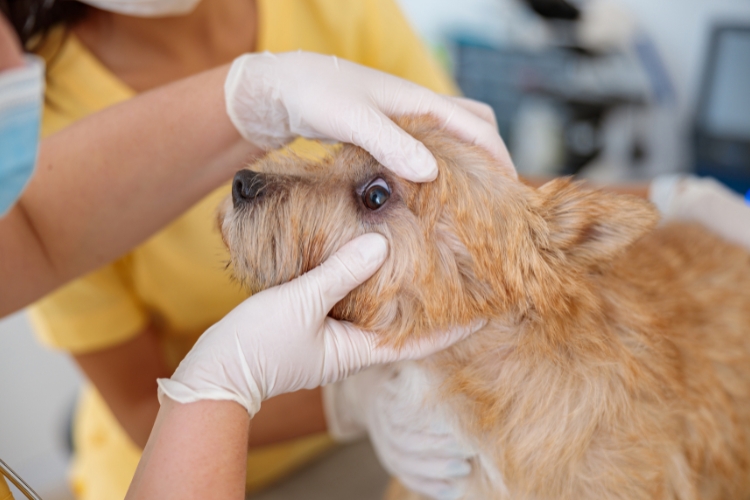
Your pet’s eyes can reveal a lot about their health. Clear, bright eyes usually indicate good health, while redness or discharge may signal irritation or infection. Take a moment each month to observe both eyes under natural light and compare them.
- Look for cloudiness, which may indicate aging or vision issues developing over time.
- Watch for excessive tearing, as it can suggest allergies or blocked tear ducts.
- Notice any redness or swelling, which might be an early sign of infection.
Gently wipe away any dirt using a clean, damp cloth. If you notice persistent changes, it is best to consult a veterinarian promptly.
2. Inspect Ears for Cleanliness and Odor
Healthy ears should look clean and smell neutral. Checking your pet’s ears regularly helps prevent infections that can become painful if ignored. Gently lift the ear flap and look inside without inserting anything deep.
- Check for redness or inflammation, which can signal irritation or infection.
- Notice any unusual smell, as strong odors often indicate bacterial growth.
- Look for wax buildup or debris, which may need gentle cleaning.
If your pet scratches their ears frequently, it could be a sign of discomfort that needs attention.
3. Examine Teeth and Gums for Oral Health
Dental health is often overlooked, but it plays a big role in your pet’s overall well-being. Poor oral hygiene can lead to infections and other serious conditions. A monthly check helps you stay ahead of these problems.
- Look for yellow or brown tartar buildup along the teeth.
- Check gums for redness, swelling, or bleeding during gentle inspection.
- Notice bad breath, which can indicate dental disease developing over time.
Regular brushing and dental treats can help keep teeth healthy, but occasional dental cleaning at a veterinary clinic may still be needed.
4. Feel the Skin and Coat Condition
Your pet’s coat and skin are strong indicators of their internal health. A healthy coat should feel smooth and look shiny, while the skin should be free from irritation or bumps.
- Run your hands through the coat to check for lumps or unusual bumps.
- Look for dry patches, redness, or signs of itching or scratching.
- Check for parasites like fleas or ticks hiding close to the skin.
It is an essential part of any home health check for dogs and cats, as skin issues can develop quickly if ignored.
5. Monitor Weight and Body Shape
Weight changes can happen slowly and may go unnoticed without regular checks. Monitoring your pet’s weight helps you detect issues like obesity or sudden weight loss early.
- Feel the ribs gently, as they should be easy to detect but not visible.
- Observe the waistline from above to check for a healthy body shape.
- Notice any sudden weight gain or loss, which could indicate health concerns.
6. Observe Eating and Drinking Habits
Changes in appetite or water intake can signal underlying health problems. Tracking your pet’s habits over time helps you identify unusual patterns early.
- Watch for reduced appetite, which may indicate illness or discomfort.
- Notice excessive thirst, which could be linked to metabolic conditions.
- Observe eating behavior, including any difficulty chewing or swallowing.
Keeping a simple log of these habits can help you notice patterns more easily.
7. Check Mobility and Movement Patterns
Early detection of mobility issues can help prevent long-term discomfort. Your pet’s movement can reveal joint health and muscle strength. Pay attention to how they walk, run, and jump during daily activities.
- Look for limping or stiffness, especially after rest or exercise.
- Notice reluctance to climb stairs or jump onto furniture.
- Observe changes in activity levels or a sudden lack of energy.
8. Inspect Nose and Breathing
A healthy nose is usually moist and clean, while breathing should be steady and quiet. Changes in these areas may indicate respiratory or systemic issues.
- Check for nasal discharge, especially if it is thick or discolored.
- Listen for noisy breathing, which may suggest airway obstruction.
- Observe any frequent sneezing or coughing during rest.
These signs should not be ignored, as they can worsen if left untreated.
9. Evaluate Bathroom Habits
Your pet’s bathroom routine offers valuable clues about their digestive and urinary health. Monitoring these habits regularly helps you catch abnormalities early.
- Check stool consistency, as it should be firm but not hard.
- Notice any changes in frequency or difficulty during elimination.
- Look for blood or unusual color, which may require immediate attention.
This step is often included in an at-home pet examination checklist used by veterinarians and pet owners alike.
10. Check Paws and Nails Thoroughly
Your pet’s paws endure daily wear and tear, making regular checks important. Healthy paws should be free from cuts, swelling, or debris.
- Inspect between toes for dirt, stones, or small injuries.
- Check nails for overgrowth, which can affect walking comfort.
- Look for cracks or dryness in the paw pads.
11. Observe Behavior and Mood Changes
Behavioral changes can often be the first sign of a health issue. Pets may become withdrawn, irritable, or unusually quiet when something feels wrong.
- Notice changes in sleeping patterns or energy levels.
- Observe unusual aggression or fearfulness in familiar situations.
- Watch for repetitive behaviors like excessive licking or pacing.
Understanding your pet’s normal personality makes it easier to detect subtle changes.
Building a Simple Monthly Routine That Works
You should ensure you are consistent when conducting a health check for your pet at home. Setting a fixed day each month for your pet’s check helps you stay organized and ensures nothing is overlooked. You can create a simple checklist and follow the same steps each time.
Make the process calm and positive for your pet by using gentle handling and offering rewards. Over time, your pet will become comfortable with these checks, making the process easier for both of you. The routine supports long-term health and builds trust between you and your pet.
Common Mistakes Pet Owners Should Avoid
Even with good intentions, some mistakes can reduce the effectiveness of at-home checks. Being aware of these can help you avoid unnecessary risks.
- Skipping checks when your pet seems healthy may delay early detection.
- Ignoring small changes, as they can develop into serious problems later.
- Using improper tools or techniques may cause discomfort or injury.
Keep Your Pet’s Health Always a Priority
Caring for your pet does not have to be complicated or overwhelming. With simple monthly checks, you can stay ahead of potential health issues and ensure your pet enjoys a happy and active life. These small efforts add up over time and create a strong foundation for long-term well-being.
If you notice anything unusual or need guidance from a vet near you, book an appointment at Epic Tails Veterinary Clinic to discuss the issue and learn solutions you can follow. Do not wait for symptoms to worsen and give your pet the care they deserve.
Frequently Asked Questions
1. How often should I perform a pet health check at home?
A monthly routine works well for most pets, but you can adjust based on your pet’s age and health condition. Older pets may benefit from more frequent checks.
2. What should I do if I find something unusual?
If you notice persistent changes, such as swelling, discharge, or behavioral shifts, consult a veterinarian as soon as possible for a proper evaluation.
3. Can at-home checks replace vet visits?
At-home checks are helpful for early detection, but they do not replace veterinary examinations. Regular vet visits are still essential for complete care.
4. How long does a monthly check usually take?
A thorough check typically takes around 15 to 20 minutes once you become familiar with the process.
5. Is this routine suitable for all pets?
Yes, these checks can be adapted for dogs and cats of all ages. Always adjust your approach based on your pet’s comfort and specific needs.
Schedule Your Pet’s Visit Today
For dedicated and professional veterinary care designed to meet your pet's specific needs, please schedule an appointment.