
🐾 Epic Tails Academy (Quarterly Event) • Learn More ›

Complete Wellness and Preventive Care for Your Dog & Cat
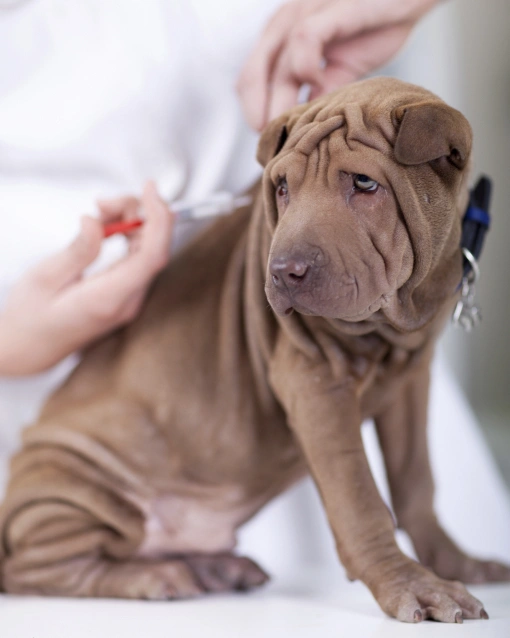


Our Wellness & Preventative Care services focus on ensuring the health and happiness of dogs and cats in Charlotte, NC. Whether you're looking for a "vet near me" for routine check-ups, vaccinations, parasite prevention, or other essential services, we're here to support your dog and cat’s well-being throughout their life. Our experienced team strives to provide the highest level of care to your furry companions. Preventive care helps detect potential health issues early, ensuring your dog and cat receive prompt treatment and live healthier lives.
We are committed to offering personalized care that meets the unique needs of each dog and cat in Charlotte, NC. From regular check-ups to preventive treatments, our compassionate team is here to help your dog and cat stay healthy and thrive. Trust us to deliver the care your companions deserve for a long, happy life. Schedule an appointment today and let us be your partner in your dog and cat’s lifelong health and wellness.
Book An Appointment
Examinations
Just as physicians advise regular pet wellness exams for their patients, veterinarians recommend the same for your dogs and cats. Identifying potential health issues early increases the chances of successful treatment, while reducing both long-term costs and disease complexity. Based on factors like your dog’s or cat’s breed, age, lifestyle, and overall health, we will recommend a tailored wellness plan to keep them in the best shape possible.
Wellness exams typically include:
- A thorough nose-to-tail physical exam to assess key bodily systems and develop a health profile.
- A discussion about your dog or cat’s behavior, diet, exercise routine, and daily activities.
- Recommendations for any necessary vaccinations and diagnostic tests.
- Monitoring changes in health, such as weight fluctuations, to detect potential issues early.
- An opportunity to address any questions or concerns you may have.
Vaccinations
With over 50 million dogs and cats in the United States, your companions are likely to encounter infectious conditions. We assess your dog or cat’s lifestyle and specific risk factors to administer only the most relevant vaccines and recommend the most suitable preventatives. Our goal is to minimize over-vaccination, which is why our veterinarians follow personalized, up-to-date vaccine protocols—including multi-year vaccines when possible—tailored to your dog or cat’s environment and lifestyle.
Parasite Prevention: Safeguarding Your Dog, Cat, and Family
At Epic Tails Veterinary Clinic, we understand that parasites aren’t just a nuisance—they pose serious health risks for dogs, cats, and their human families! Whether it’s fleas, ticks, heartworms, or intestinal parasites, these unwelcome visitors can sneak into your home on shoes, clothing, or even through open windows.
If left untreated, parasites can stunt growth, worsen existing health conditions, and lead to life-threatening infections. Many parasites, like roundworms and hookworms, are zoonotic, meaning they can be transmitted from dogs and cats to humans, adding extra risks to your family’s health.
The good news? Prevention is simple, effective, and far more affordable than treating the problem later.

Routine Testing and Prevention: Your Dog and Cat’s First Defense
Regular exams and lab tests help us:
- Identify parasites such as roundworms, hookworms, Giardia, and Coccidia that cause intestinal issues in dogs and cats.
- Determine the most effective treatment plan if parasites are detected, customized to your dog’s or cat’s specific needs.
- Prevent parasites from spreading to other dogs, cats, or human family members (because we care about everyone’s health!).
Personalized Recommendations for Every Life Stage
- Puppies & Kittens: These curious little ones are particularly vulnerable to intestinal worms. We recommend multiple fecal exams during their first year, as standard dewormers may not address all parasites.
- Adult Dogs and Cats: Even with year-round preventatives, we advise fecal testing every 6–12 months to detect any potential issues early.
Year-Round Protection
Parasites don’t take breaks, and neither should your dog and cat’s preventatives! While parasites are more common in warmer months, a single warm day is enough for them to thrive, so year-round protection is crucial. Set a reminder for monthly treatments – whether chewable tablets or simple topical solutions – to ensure your dogs and cats stay protected without interruption, no matter the season.
Let’s work together to keep your dogs, cats, and family happy, healthy, and parasite-free!
Fleas and Ticks
We can discuss the best treatment options based on your environment and review effective strategies to control fleas in your home, yard, and on your dog or cat.
- Fleas and ticks are external parasites that irritate the skin and can transmit diseases.
- Ticks can carry many diseases, including Lyme disease.
- Fleas can spread various diseases, such as tapeworms and Bartonella.
- Fleas can also trigger skin allergies, which are common in both dogs and cats.
- Ticks attach to the skin and feed on blood.
- Once-a-month products are available to prevent fleas and ticks.
- It’s important to check your dog and cat for fleas during daily grooming and look for ticks after visits to high-risk areas like wooded camping sites.
Intestinal Parasites
Depending on your dog or cat’s lifestyle, fecal testing is recommended annually or semi-annually. Dogs and cats are frequently infected with internal parasites that can also be transmitted to humans. This not only poses a risk to your dog and cat but also to the general public. Parasites are widespread across the U.S., leading to a high infection rate, particularly in puppies and kittens. Roundworms, for example, are a major cause of blindness in children.
Heartworm
Heartworms are dangerous, but they are preventable! We recommend annual testing along with year-round monthly preventatives.
- Mosquitoes spread heartworms.
- Adult heartworms reside on the right side of the heart.
- Heartworms can grow between 6–14 inches long, and hundreds may be present in one dog.
- Heartworms disrupt blood circulation, causing damage to the heart, lungs, liver, and kidneys.
- Significant damage (and even death) may occur before any outward symptoms appear.
- Advanced symptoms include difficulty breathing, coughing, fatigue, low energy, weight loss, fainting, and death.
- We recommend heartworm prevention for cats, as well— they can be affected. In fact, 5% of heartworm-positive cases involve indoor-only cats.
- Heartworms have been found in every state in the U.S. and Canada.
Microchipping
Microchip implantation is virtually painless and offers lifelong protection and identification for your dog or cat. The procedure is similar to a routine vaccination and is typically performed between the shoulder blades—an area with more fatty tissue and fewer nerves and blood vessels. Unlike a collar, a microchip can never fall off, be lost, altered, or intentionally removed.
Nutrition & Weight Management
An estimated 52.7% of dogs and 57.9% of cats in the United States are overweight or obese.
More food doesn’t equal more love! While it may be tempting to share your food with your dog or cat, it’s important to remember that their nutritional needs are different from yours. Our goal is to feed the patient, not the bowl! Factors such as age, health condition, gender, weight, and breed all influence the recommended diet—whether it’s a specialized plan or a balanced one.
If your dog or cat is facing nutritional challenges like liver disease, renal failure, bladder or kidney stones, food allergies, or obesity, we are here to offer advice and solutions.
Behavior Counseling
Health issues can often start with or be influenced by behavioral problems. Even healthy dogs and cats may require behavioral training to prevent disruptions at home and in family life. We are trained and experienced in understanding dog and cat behavior, preventing issues, and addressing unwanted behaviors. We're happy to offer training tips and recommendations to help with the behavior modification process.
Schedule Your Pet’s Visit Today
For dedicated and professional veterinary care designed to meet your pet's specific needs, please schedule an appointment.