
🐾 Epic Tails Academy (Quarterly Event) • Learn More ›

Professional Dental Care for Your Cat
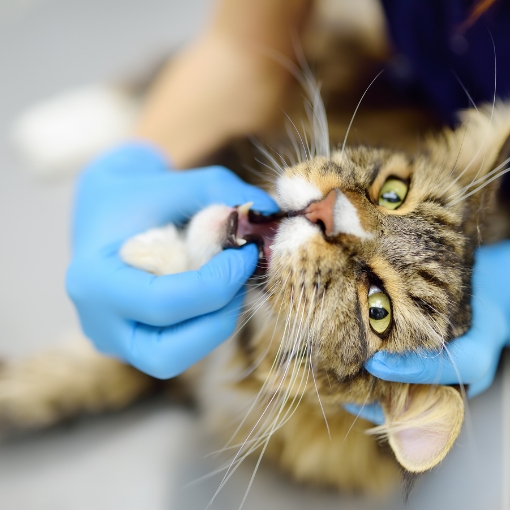


At Epic Tails Veterinary Clinic, we understand that dental health is a crucial part of your cat’s overall well-being. Often overlooked, dental problems in cats can lead to significant health issues if left untreated. Our cat dental care services in Charlotte is designed to help prevent dental disease while improving your cat's quality of life. Let our team provide the care your feline friend deserves, ensuring a healthy and happy smile for years to come.
Book An Appointment
The Importance of Cat Dental Services
Dental health is just as important for cats as it is for humans. Over time, plaque and tartar can build up on your cat’s teeth, leading to gum disease, tooth decay, and even tooth loss. If left untreated, these dental issues can cause pain, difficulty eating, and potentially lead to more serious health problems, such as infections that can affect other organs in the body.
Routine professional dental cleanings and exams are essential in preventing these issues. At Epic Tails Veterinary Clinic, we recommend that most cats receive a Complete Oral Health Assessment and Treatment (COHAT) every 6-12 months, starting at the age of 2-3 years. Our pet dentistry services keep your cat's teeth clean and healthy, helping prevent bad breath, painful dental problems, and supporting their overall health.
Signs of Dental Disease in Cats
Dental disease in cats often develops gradually, and many cats do not show obvious signs of pain. However, it’s important to keep an eye out for the following symptoms, which may indicate your cat is suffering from dental issues:
- Bad breath
- Difficulty eating or chewing
- Excessive drooling
- Red or swollen gums
- Loose or missing teeth
- Bleeding from the mouth
- Pawing at the mouth or face
- Changes in behavior or mood, such as irritability
If you notice any of these signs, it’s crucial to schedule a dental check-up as soon as possible. Early intervention can prevent more serious dental problems down the road.
What to Expect During Cat Dental Care
Before your cat’s dental procedure, our veterinary team will perform a comprehensive physical exam to ensure your cat is healthy enough for anesthesia. Bloodwork and an ECG are typically recommended to ensure the procedure is safe. Once cleared, we’ll schedule your cat’s dental cleaning.
During the procedure, your cat will be placed under general anesthesia, which ensures they remain calm and pain-free throughout the cleaning process. The Complete Oral Health Assessment and Treatment (COHAT) involves:
- Scaling: Removing plaque and tartar buildup above and below the gum line.
- Oral exam: Checking for signs of dental disease, such as tooth decay or gum disease.
- X-rays: Taking dental radiographs (X-rays) to check for issues hidden below the gum line, such as tooth fractures or abscesses.
- Polishing: Giving your cat’s teeth a thorough polish to create a smooth surface and delay future buildup.
In some cases, if severely damaged teeth are found, extractions may be necessary. Your cat will be carefully monitored as they recover from the anesthesia, and we will provide you with detailed aftercare instructions, including pain management, antibiotics if needed, and dietary recommendations for a smooth recovery.
How Often Does My Cat Need a Dental Procedure
Most cats should receive a professional dental cleaning every 6-12 months, depending on their age, breed, and oral health. Cats with a history of dental issues or those predisposed to oral diseases may need more frequent cleanings. During your cat’s annual wellness exam, we’ll assess their dental health and recommend when it’s time for the next cleaning.
Regular dental check-ups are vital for keeping your cat’s teeth healthy. By sticking to a proactive dental care schedule, you can avoid serious dental diseases, such as gum disease and tooth decay, and ensure your cat’s oral health stays in top shape.
What Are Veterinary Digital Dental Radiographs
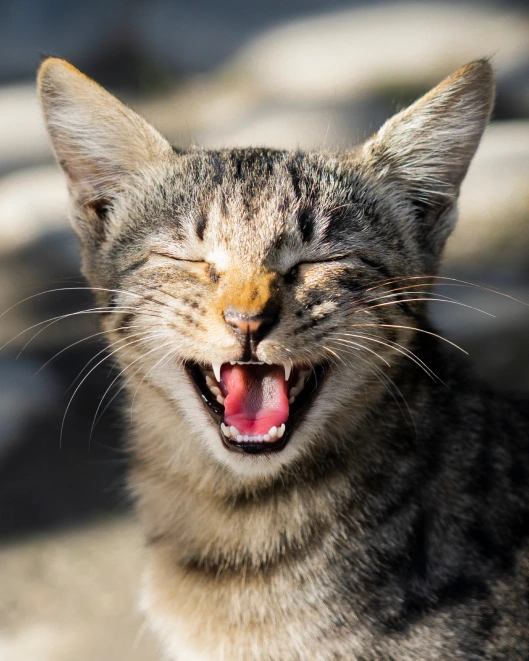
At Epic Tails Veterinary Clinic, we utilize veterinary digital dental radiographs (digital X-rays) during dental exams. These advanced X-rays allow our team to view detailed images of your cat’s teeth, roots, and jaw structures. Digital X-rays provide faster, more accurate results compared to traditional film, allowing us to detect dental issues that may not be visible through a standard visual exam.
Why Are Veterinary Digital Dental Radiographs Used
Digital dental X-rays are essential for examining your cat’s teeth beyond the surface level. While visual exams are helpful, many dental issues, such as fractures, infections, and hidden abscesses, can go unnoticed without the use of radiographs. These images allow our veterinarians to:
- Detect issues under the gum line, such as abscesses, cysts, or tumors.
- Identify impacted teeth or fractures that may require extraction.
- Monitor the progression of dental disease over time.
- Provide a detailed view of your cat’s oral health, guiding treatment decisions.
Radiographs are particularly valuable for older cats, as their dental health may become more complex as they age.
At-Home Dental Care for Your Cat
While professional cleanings are essential for maintaining your cat’s oral health, at-home care can help prevent plaque and tartar buildup between visits. Here are a few tips for maintaining your cat’s smile:
- Brushing your cat’s teeth: Use a toothbrush and toothpaste designed for cats. Regular brushing is the most effective way to keep your cat’s teeth clean.
- Dental treats and toys: Look for cat-specific dental treats or toys that help remove plaque and tartar as your cat chews.
- Dental diets: Some specialized cat foods are formulated to support dental health by reducing plaque buildup.
- Regular check-ups: Bring your cat to the vet for annual dental exams to catch potential issues early.
By following these at-home care tips, you can help keep your cat’s teeth healthy between dental visits. For professional cat dental service in Charlotte, trust the experienced team at Epic Tails Veterinary Clinic — contact us today to schedule your cat's next dental appointment.
Join the Epic Tails Veterinary Clinic Family Today!
Don’t let dental issues affect your cat’s health. Trust the proficient veterinary team at Epic Tails Veterinary Clinic to provide professional dental care for your furry friend. We are committed to keeping your cat’s mouth healthy and ensuring they enjoy a pain-free, happy life.
FAQs
Schedule Your Pet’s Visit Today
For dedicated and professional veterinary care designed to meet your pet's specific needs, please schedule an appointment.