
🐾 Epic Tails Academy (Quarterly Event) • Learn More ›

Helping Your Kitten Get the Best Start
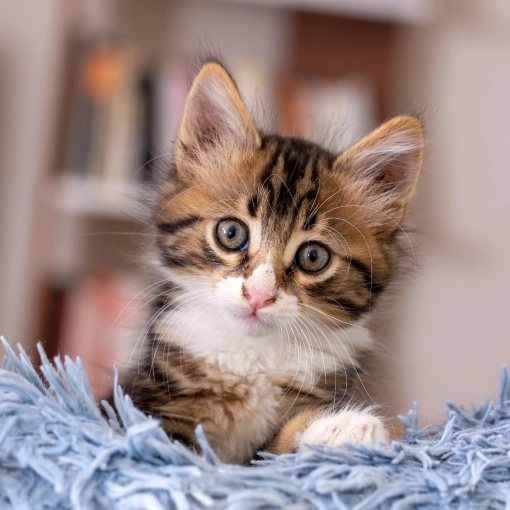


Bringing a kitten into your home is an exciting and joyful experience. The soft purrs and playful antics of a new kitten can make anyone smile. However, along with the fun and cuddles, your new kitten requires a lot of care to grow into a healthy, happy adult cat. At Epic Tails Veterinary Clinic, we are here to offer top-quality kitten care in Charlotte, ensuring your new feline friend gets off to the best start.
Book An Appointment
What Is The Most Important Thing To Know About Raising A Healthy Kitten?
Preventive care is the most important aspect of raising a healthy kitten. Vaccinations, flea and tick prevention, and regular exams are vital for ensuring your kitten stays healthy. In addition, kittens require a balanced diet and regular exercise to support their growth. Socialization is equally important to ensure your kitten feels comfortable around people and other animals.
The Right And Wrong Ways To Pick Up Your Kitten
Handling your kitten properly is important for both their comfort and your safety. The wrong way to pick up a kitten is by grabbing them by the scruff, which can cause pain and injury. The right method is to gently support their chest with one hand while using the other hand to support their hind legs and bottom. Hold them close to your body to provide support and comfort. However, be sure not to grip them too tightly, as this can cause stress. If they start to become restless, gently set them back down. You may need to practice this process a few times to get your kitten used to being held.
How To Tell If Your Kitten Is Happy And Healthy
A happy, healthy kitten will exhibit several key behaviors. These include purring, meowing, regular eating habits, grooming, kneading, using their litter box, and engaging in playtime. Some kittens may be less affectionate than others, but most will enjoy snuggling with their owners. If you notice any sudden changes in behavior or signs of illness, it is important to contact your veterinarian immediately. Regularly observing these behaviors will help ensure your kitten is thriving.
How To Feed Your Kitten
Kittens have unique dietary needs compared to adult cats. It is essential to feed them a high-quality kitten food that contains animal-based proteins, calcium, and phosphorus to support their rapid growth and high energy levels. Wet food is beneficial for hydration and urinary tract health, while dry food can help with oral hygiene. However, be cautious with dry food, as kittens may overeat, leading to potential weight gain.
Kittens need to eat more frequently than adult cats. We recommend feeding them three to four meals a day to meet their higher energy requirements. Be sure to follow the feeding guidelines on the food packaging, and if you’re unsure about your kitten’s specific dietary needs, consult your veterinarian. A well-balanced diet is critical for their healthy development.
Necessary Products For Your Kitten
There are several essential items you will need to ensure your kitten’s comfort and well-being. These include food and water bowls, high-quality kitten food, a litter box, bedding, grooming tools, toys, a scratching post, a collar with contact information, an adjustable harness and leash for outdoor exploration, and a pet carrier for vet visits and transportation. Your veterinarian may also recommend additional products to help your kitten thrive.

When To Take Your Kitten To The Vet and Get Vaccinations
Your kitten should see a veterinarian for their first checkup as soon as possible after joining your family. Ideally, kittens should begin veterinary visits at 6-8 weeks of age. They will likely have received their first set of vaccinations before you bring them home, and they will need additional vaccinations in a series until they are 16-20 weeks old. Core vaccines include those for feline distemper, feline herpes virus, calicivirus, and rabies. Non-core vaccines, like the feline leukemia vaccine (FeLV), may be recommended depending on your kitten’s lifestyle. Your vet will help determine which vaccines are necessary based on your kitten’s specific circumstances.
Getting the Most Out of Your First Vet Visit
Your first veterinary appointment with your kitten is a perfect opportunity to ask questions and gather helpful information. Bring all relevant paperwork, such as adoption documents, medical records, and vaccination history. It's also helpful to have a list of medications, supplements, and food your kitten is currently on. Bringing your kitten’s favorite treats can help make the vet visit more positive and enjoyable for them. Be sure to bring a stool sample for testing for intestinal parasites, as this is common in kittens.
Early Signs of Health Issues in Your Kitten
Familiarizing yourself with common signs of health issues in kittens is essential. Symptoms to watch for include lethargy, loss of appetite, vomiting, diarrhea, sneezing, coughing, discharge from the eyes or nose, or noticeable changes in behavior. Common health issues in kittens include upper respiratory infections (URI), fleas, ear mites, and intestinal parasites. If you notice any concerning changes, contact your veterinarian right away to prevent complications.
Avoid Self-Diagnosing Possible Kitten Health Problems
Self-diagnosing kitten health issues can lead to delays in treatment and the worsening of conditions. Only a veterinarian has the training and tools necessary to correctly diagnose and treat health problems. Regular veterinary visits are crucial for preventing health issues and ensuring your kitten’s long-term health. Trusting the professionals at Epic Tails Veterinary Clinic to care for your kitten ensures that they remain healthy and happy.
Understanding Kitten Behavior
Kitten behavior is influenced by their early experiences with their mother and littermates. It is important for them to socialize with their siblings to develop proper social skills. Kittens communicate through various vocalizations and body language, including meowing, purring, hissing, and rubbing. They also enjoy playing, which is essential for developing important life skills. Playtime helps kittens develop coordination, balance, and agility, so ensure they have plenty of toys and activities to engage in.
Schedule Your Kitten’s First Dental Appointment
Raising a kitten is a rewarding experience that requires attention to detail and proper care. At Epic Tails Veterinary Clinic, we are dedicated to helping you ensure your kitten grows into a happy, healthy adult cat. If you’re in Charlotte, NC, and need kitten care, call us today at (704) 555-1234 to schedule an appointment.
FAQs
Unable to locate Global Block : 759