

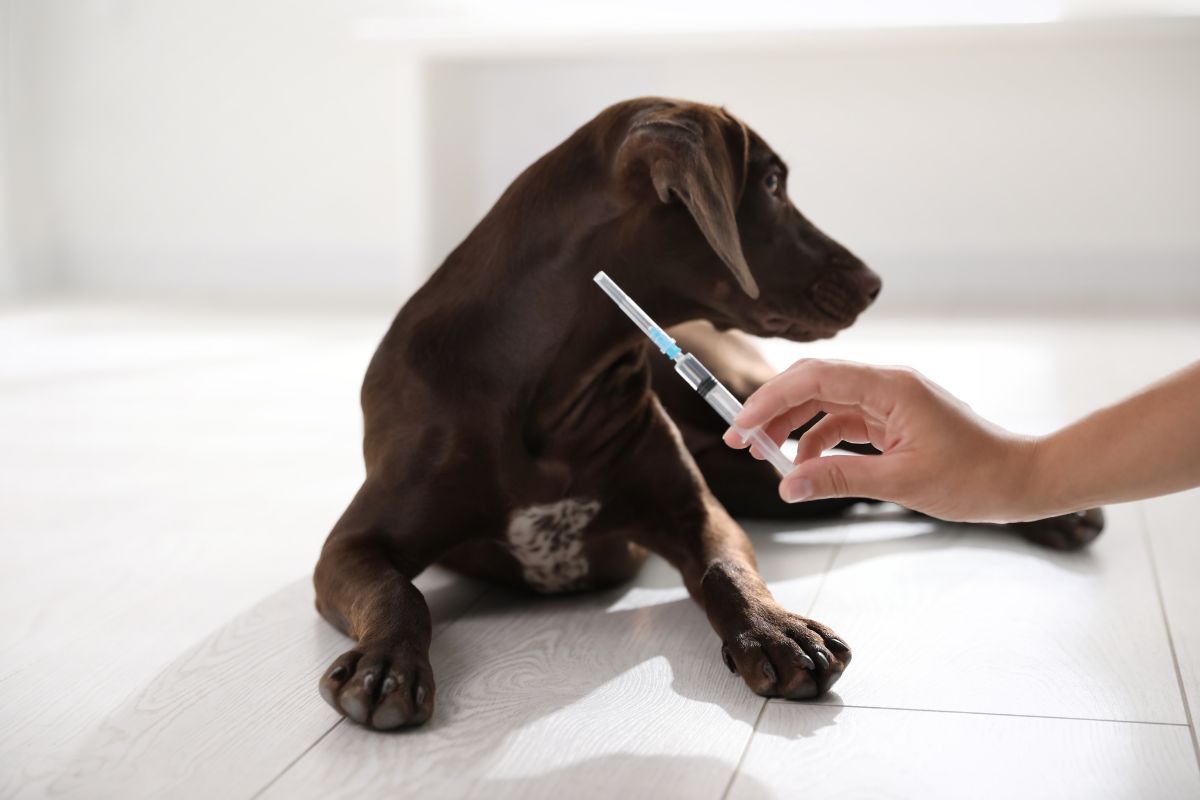
Welcoming a pet into your life brings joy, companionship, and responsibility. Most importantly, it brings Pet Vaccinations in Charlotte, NC to the forefront of your to-do list. Vaccines protect our furry friends from serious illnesses and also ensure we comply with local laws. Therefore, by bridging care with compliance, we keep pets and communities safe.
Why Pet Vaccinations Matter
Firstly, vaccinating your pet protects them from dangerous diseases like rabies, parvovirus, and feline distemper. In Charlotte, NC, rabies falls under the legal mandate for all dogs and cats older than four months.. Moreover, core vaccines also guard against highly contagious illnesses, helping your pet stay happy and healthy.
Types of Vaccines: Core vs. Non-Core
You’ll find two vaccine categories:
- Core vaccines: Essential for all pets—for example, rabies, DHPP/DAPP for dogs, and FVRCP for cats.
- Non-core vaccines: Recommended based on lifestyle—like Bordetella, Leptospirosis, Lyme, and Canine Influenza.
Furthermore, veterinarians design personalized schedules depending on your pet’s daily activities and risk exposure
Vaccine Timing: When to Start & Boost
Typically, puppies and kittens begin shots at 6–8 weeks, then receive boosters every 3–4 weeks until around 16 weeks. After that, booster intervals vary. For instance, rabies is given annually or every three years, depending on prior history.
What to Expect
When visiting your Charlotte, NC vet:
They’ll start with a health exam to ensure safe vaccination.
Next, they recommend a vaccination plan tailored to your pet.
Afterward, they’ll explain aftercare and possible side effects, like soreness or mild lethargy.
Benefits of Vaccinating in Charlotte, NC
Protect public health: Prevent zoonotic spread, such as rabies and leptospirosis.
Compliance: Abide by local pet laws and avoid penalties.
Peace of mind: Knowing your pet can safely attend boarding, grooming, or daycare facilities.
Community immunity: Regular shots help reduce disease prevalence among all area pets.
Tips for Stress-Free Vaccination Visits
To ease the process:
- Keep your pet calm and comfortable—bring a favorite toy or blanket.
- Notify staff if your pet has had vaccine reactions before.
- Plan around seasonal vaccine needs, such as Leptospirosis in warmer months.
- Keep a record of shots and certificates, especially rabies tags, for regulatory compliance.
Ultimately, pet vaccinations in Charlotte, NC represent more than shots—they symbolize care, responsibility, and community protection. Consequently, staying current on vaccines ensures your furry friend enjoys health, happiness, and safety. So, schedule that vet visit today—your pet, your community, and your peace of mind will thank you.
Frequently Asked Questions
1. What does “Pet Vaccinations in Charlotte, NC” cover?
It covers core vaccines (rabies, DHPP, FVRCP) plus non-core shots, tailored to pet and regional disease risks.
2. When do vaccinations start?
Puppies and kittens begin at 6–8 weeks, with boosters every 3–4 weeks until about 16 weeks of age.
3. Are indoor pets safe without vaccines?
No. Indoor pets still require core vaccines—especially rabies—for legal compliance and surprise wildlife exposure protection.
4. How often should I boost rabies?
After the first year, boosters occur every 1–3 years, depending on vaccine type and prior history.
5. Are vaccine side effects common?
Mild symptoms like soreness or fatigue are common but fade within a day or two. Serious reactions are rare.
6. Where can I get low-cost vaccines locally?
Charlotte hosts free or low-cost rabies clinics—drive-thru events and shelter programs—as well as affordable retail clinics.
Related Articles

Schedule Your Pet’s Visit Today
For dedicated and professional veterinary care designed to meet your pet's specific needs, please schedule an appointment.