
🐾 Epic Tails Academy (Quarterly Event) • Learn More ›
Why Comprehensive Diagnostic Care Is Essential for Your Pet’s Health

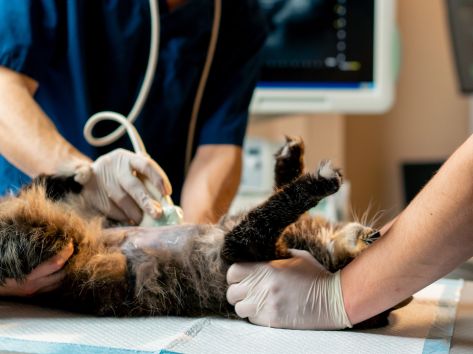
As pet owners, we all want our furry companions to live long, happy, and healthy lives. While regular check-ups and vaccinations are vital, there’s another aspect of veterinary care that often gets overlooked — comprehensive diagnostic care. From blood tests and X-rays to ultrasounds and urinalysis, these diagnostic tools play a key role in identifying health issues early, managing chronic conditions, and ensuring the best possible treatment.
In this blog post, we’ll explore why diagnostic care is not just an option but a necessity for maintaining your pet’s well-being.
What Is Comprehensive Diagnostic Care?
To begin with, comprehensive diagnostic care involves a wide range of medical tests and evaluations that help veterinarians understand your pet’s internal health. Unlike a basic physical exam, diagnostic care goes deeper — looking beneath the surface to detect abnormalities that are not visible externally.
These diagnostics may include:
- Blood tests
- Urinalysis
- Fecal exams
- X-rays and imaging
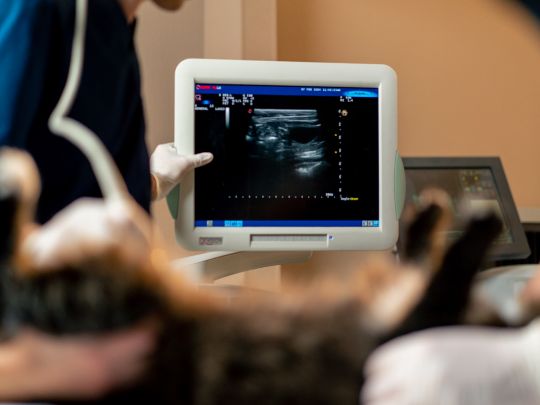
- Ultrasounds
- Allergy testing
- Biopsies and cytology
Such evaluations offer a complete picture of your pet’s health status, even before symptoms appear.
Early Detection Can Save Lives
One of the greatest benefits of diagnostic testing is early detection. Many conditions, such as kidney disease, diabetes, or cancer, develop silently. Pets, unlike humans, often mask their pain or discomfort. By the time noticeable symptoms emerge, the condition may already be advanced.
Fortunately, diagnostic screenings can catch diseases in their earliest stages. For example, a routine blood panel might reveal elevated liver enzymes, prompting further investigation before the issue becomes life-threatening. In this way, diagnostic care empowers pet owners to act quickly — and potentially save their pet’s life.
Helps in Accurate and Timely Diagnosis
Another important reason for comprehensive diagnostic care is accurate diagnosis. Sometimes, a pet may present vague symptoms such as lethargy, vomiting, or appetite loss. These signs could point to a variety of illnesses. Without diagnostic testing, a veterinarian might only be able to make an educated guess.
With access to tools like blood work or imaging, however, the vet can pinpoint the exact problem. This ensures that your pet gets the correct treatment from the start, reducing unnecessary medications, costs, and stress.
Supports Preventive Care
Preventive care is far more effective — and often less expensive — than treating a disease after it has progressed. Through regular diagnostics, veterinarians can track your pet’s baseline health and spot subtle changes over time.
For instance, monitoring thyroid levels or blood glucose annually can reveal trends that might indicate the onset of a disease. By intervening early, your vet can often manage the issue with diet changes, supplements, or lifestyle adjustments instead of more invasive treatments later.
Aids in Monitoring Chronic Conditions
Pets with chronic conditions such as arthritis, diabetes, or kidney disease need regular monitoring to ensure their treatment plans are working effectively. Diagnostic tools help veterinarians adjust medications, assess organ function, and measure progress.
Moreover, ongoing diagnostics provide peace of mind. You’ll know your pet’s condition is under control, and you’ll be able to make informed decisions with your veterinarian about the next steps in their care.
Tailored Treatment Plans
Every pet is unique, and so is their health profile. Diagnostic care allows your veterinarian to develop a personalized treatment plan based on precise information. Whether your dog needs a special diet due to liver issues or your cat requires insulin for diabetes, diagnostic testing provides the data needed to customize care.
This targeted approach improves outcomes and reduces the risk of adverse reactions or ineffective treatments.
Improves Quality of Life
When health issues are detected and treated promptly, pets enjoy a better quality of life. They experience less pain, more energy, and greater longevity. By staying proactive with diagnostic care, you’re investing in your pet’s future — making sure they stay by your side, healthy and happy, for years to come.
In summary, comprehensive diagnostic care is more than just a medical formality — it’s a vital part of responsible pet ownership. It enables early detection, supports preventive strategies, provides accurate diagnoses, and ensures your pet receives the best care tailored to their individual needs.
If you’re looking for reliable pet diagnostic care in Charlotte, make sure to choose a veterinary clinic that prioritizes a thorough and compassionate approach to animal health. By doing so, you’ll not only safeguard your pet’s current well-being but also help them live a longer, healthier life.

Schedule Your Pet’s Visit Today
For dedicated and professional veterinary care designed to meet your pet's specific needs, please schedule an appointment.