

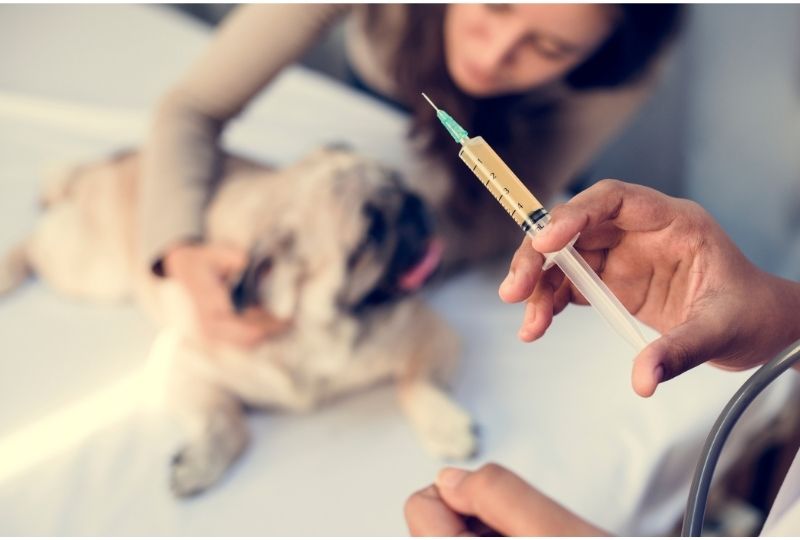
As a responsible dog parent, keeping your furry friend healthy is always a top priority. Among the most effective ways to protect your dog from serious illnesses is through vaccination. But with so many vaccines available, you might wonder: Which ones are truly essential?
In this comprehensive guide, we’ll walk you through the core and non-core dog vaccines, explain why they matter, and help you make informed decisions for your pup’s long-term well-being.
Why Are Vaccines Important for Dogs?
Vaccines are crucial because they help your dog build immunity against dangerous diseases. Some of these diseases can be fatal, while others are highly contagious and can spread quickly in public spaces like parks, dog daycares, or grooming salons.
By vaccinating your dog, you’re not just protecting your pet—you’re also contributing to the wider community of pet owners by reducing the spread of infectious diseases.
Core vs. Non-Core Vaccines: What’s the Difference?
When discussing dog vaccinations, vets usually categorize them into two types:
✅ Core Vaccines
These are considered essential for every dog, regardless of breed, age, or lifestyle. They protect against diseases that are either widespread, deadly, or transmissible to humans.
✅ Non-Core Vaccines
These are optional vaccines, recommended based on your dog’s lifestyle, environment, and risk of exposure. While not necessary for all dogs, they can be crucial for others.
Core Vaccines Every Dog Needs
Let’s start with the must-haves. The following core vaccines are recommended by veterinary professionals across the board.
1. Rabies Vaccine
Why it’s essential: Rabies is a deadly viral disease that affects the brain and nervous system. It’s transmissible to humans and is almost always fatal once symptoms appear.
Frequency:
- First dose: Around 12 to 16 weeks old
- Booster: One year later, then every 1 to 3 years (as required by local law)
2. Distemper Vaccine
Why it’s essential: Canine distemper affects the respiratory, gastrointestinal, and nervous systems. It spreads through airborne exposure or shared food and water bowls.
Often combined with: Parvovirus and Adenovirus in the DHPP vaccine.
3. Parvovirus Vaccine
Why it’s essential: Canine parvovirus is highly contagious and particularly dangerous for puppies. It causes severe vomiting, diarrhea, and dehydration.
4. Adenovirus (Canine Hepatitis) Vaccine
Why it’s essential: This virus affects the liver, kidneys, and eyes. The vaccine protects against Canine Adenovirus Type 1, which causes hepatitis.
DHPP Vaccine Schedule:
- Puppies: Start at 6–8 weeks with boosters every 3–4 weeks until 16 weeks old
- Adults: Booster at one year, then every 1–3 years
Non-Core Vaccines (Based on Lifestyle)
Your veterinarian may recommend additional vaccines depending on your dog’s activities and environment. Here are the most common non-core vaccines:
1. Bordetella (Kennel Cough)
Recommended for: Dogs that attend daycare, boarding, or grooming.
Why: It prevents an upper respiratory infection that spreads quickly among dogs in close contact.
2. Leptospirosis Vaccine
Recommended for: Dogs that swim, hike, or live in areas with standing water or wildlife.
Why: Leptospirosis is a bacterial disease that can damage the kidneys and liver, and it can spread to humans.
3. Lyme Disease Vaccine
Recommended for: Dogs living in or visiting tick-prone areas.
Why: This vaccine protects against the bacteria spread by ticks that cause Lyme disease, which leads to joint pain and lethargy.
4. Canine Influenza Vaccine
Recommended for: Social dogs that travel, attend events, or visit dog parks.
Why: It helps prevent canine flu, which causes coughing, sneezing, and fever.
When Should You Start Vaccinating Your Dog?
It’s best to begin vaccinations when your dog is a puppy. Puppies should receive their first vaccines between 6 and 8 weeks old, followed by a series of boosters every 3–4 weeks until they’re 16 weeks old.
Adult dogs with an unknown vaccination history should also follow a similar schedule. Regular boosters are crucial to maintaining immunity throughout your dog’s life.
Tips for a Smooth Vaccination Experience
- Schedule vet visits early: Don’t wait until your dog is exposed to risk.
- Bring treats and toys: Help reduce anxiety during vet visits.
- Keep a record: Maintain a digital or physical record of all vaccinations.
- Follow your vet’s advice: They know your dog’s specific needs best.
Ultimately, keeping your dog vaccinated is one of the most loving and responsible choices you can make as a pet parent. From deadly diseases like rabies and parvo to region-specific threats like Lyme or leptospirosis, vaccines offer protection, peace of mind, and longer, healthier lives for your four-legged companions.
If you’re looking for reliable dog vaccinations in Charlotte, NC, make sure to choose a trusted veterinary clinic that offers both core and lifestyle-specific vaccines tailored to your dog’s unique needs. Regular vet checkups, timely boosters, and open communication with your vet will ensure your dog stays healthy and happy for years to come.
Related Articles
Schedule Your Pet’s Visit Today
For dedicated and professional veterinary care designed to meet your pet's specific needs, please schedule an appointment.