
🐾 Epic Tails Academy (Quarterly Event) • Learn More ›
Pet Diagnostic Care: The Key to Early Detection and Better Treatment

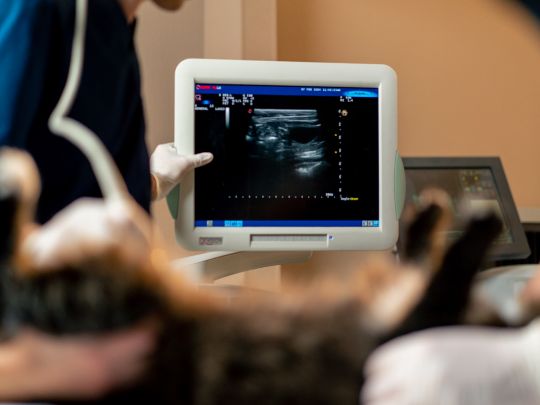
As pet owners, one of our most important responsibilities is ensuring the well-being of our furry companions. While we all wish to keep our pets healthy and happy, the truth is that many health issues in pets often go unnoticed until they become severe. Just like humans, pets can suffer from various conditions that, if left untreated, can lead to a reduction in their quality of life and lifespan. Fortunately, with the help of pet diagnostic care, veterinarians can detect health issues early, which leads to better treatment and a higher chance of recovery.
In this blog, we’ll discuss the importance of pet diagnostic care, how it contributes to early detection, and how it can help ensure your pet leads a long, healthy life. This blog is especially for pet owners in Charlotte, NC, who want to understand how diagnostic care plays a crucial role in maintaining their pets’ health.
What is Pet Diagnostic Care?
Pet diagnostic care refers to the tests and procedures that veterinarians use to assess the overall health of your pet. These diagnostic tools are vital for identifying underlying health issues that may not be visible during a routine examination. By using advanced technology and tests such as blood work, urinalysis, X-rays, ultrasounds, and even genetic testing, veterinarians can detect problems early, even before symptoms appear.
The goal of pet diagnostic care is not only to identify illnesses but also to monitor your pet’s health over time and ensure they are living their best life. Early detection of health issues can significantly improve the chances of successful treatment and prevent the development of more severe conditions.
The Importance of Early Detection in Pet Health
Early detection is crucial for managing and treating many health conditions in pets. Just like humans, pets can experience health problems that progress silently. By the time symptoms are noticed, the disease may have already advanced, making treatment more difficult. For example, conditions such as cancer, kidney disease, and heart problems can often be detected earlier through diagnostic tests before they become life-threatening.
How Early Detection Helps: Early diagnosis allows for early intervention, which can lead to less invasive treatments, lower costs, and better outcomes. For example, kidney disease in pets can be managed more effectively if diagnosed early. Similarly, heart conditions, when detected in the initial stages, can be controlled with medication, reducing the chances of complications like heart failure.
Common Pet Diagnostic Tools and Their Benefits
Veterinary diagnostic care involves several tools that provide in-depth insights into your pet’s health. Here are some of the most common diagnostic tests that veterinarians use:
1. Blood Work
Blood tests are one of the most important diagnostic tools available to veterinarians. A complete blood count (CBC) and chemistry panel can provide valuable information about your pet’s organ function, immune system, and overall health.
How it Helps: Blood work helps detect underlying conditions such as anemia, infections, liver or kidney disease, diabetes, and even certain cancers. It can also provide information about your pet’s hydration levels and electrolyte balance. Regular blood work is an essential part of wellness exams, especially for older pets, to monitor their health over time.
2. Urinalysis
A urinalysis involves testing your pet’s urine to assess kidney function, hydration levels, and the presence of any infections or diseases such as diabetes or urinary tract infections (UTIs).
How it Helps: Urine tests help veterinarians detect kidney disease, urinary tract infections, and diabetes early. They can also provide valuable information about your pet’s hydration levels and the health of their bladder and kidneys.
3. X-Rays and Imaging
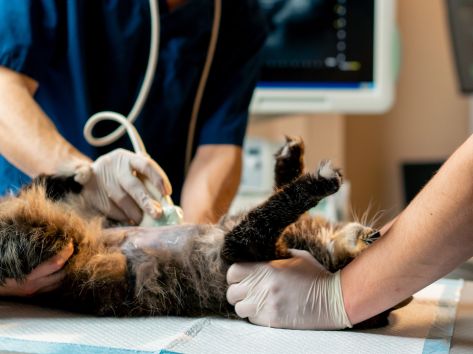
X-rays, ultrasounds, and other imaging techniques allow veterinarians to look inside your pet’s body to assess the health of their organs, bones, and tissues. These diagnostic tools can reveal fractures, tumors, and abnormalities in internal organs.
How it Helps: X-rays can identify bone fractures, joint issues, and conditions like arthritis. Ultrasounds provide a clear view of soft tissues such as the heart, liver, and kidneys, helping vets detect conditions like tumors, cysts, and heart disease. Imaging is particularly useful for detecting issues that may not be visible externally.
4. Fecal Testing
Fecal tests help detect parasites or infections in your pet’s gastrointestinal system. A simple stool sample analysis can reveal the presence of parasites, bacteria, or other issues affecting your pet’s digestive health.
How it Helps: Routine fecal testing helps identify intestinal parasites such as worms, Giardia, or Coccidia. Parasites can cause discomfort and lead to serious health issues if left untreated. Regular fecal tests help keep your pet’s digestive system healthy and prevent parasite-related diseases.
5. Genetic Testing
Genetic testing allows veterinarians to analyze your pet’s DNA to detect predispositions to certain hereditary health conditions or diseases. This test can be especially useful in certain breeds that are more prone to specific genetic issues.
How it Helps: Genetic testing helps in early identification of hereditary health risks, such as hip dysplasia, heart disease, or certain cancers. Knowing your pet’s genetic predispositions allows you to take preventative measures and monitor their health more closely throughout their lives.
The Role of Pet Diagnostic Care in Preventing Serious Health Conditions
Preventative care and diagnostic care go hand-in-hand. Regular wellness exams, including diagnostic tests, play a significant role in identifying and preventing serious health conditions. For example, heart disease, kidney failure, and diabetes can be managed and treated more effectively when detected early. These conditions can be life-threatening if left untreated, but with the right diagnostic care, they can often be controlled with medication, lifestyle changes, and regular monitoring.
Additionally, pet diagnostic care provides valuable information about your pet’s current health, allowing you to take action before a problem becomes severe. For instance, if your pet is showing early signs of arthritis, diagnostic tests such as X-rays can help assess the extent of the joint damage. This early diagnosis can lead to treatment options that help manage pain, reduce inflammation, and improve your pet’s mobility.
Pet Diagnostic Care in Charlotte, NC
For pet owners in Charlotte, NC, having access to comprehensive pet diagnostic care is essential to ensuring your furry friend lives a long and healthy life. At Epic Tails Veterinary Clinic, our team of experienced veterinarians offers a range of diagnostic services, including blood work, X-rays, ultrasounds, and genetic testing, to keep your pet’s health on track.
Whether you’re looking for routine wellness exams, need help diagnosing a specific issue, or want to ensure your pet’s health is monitored over time, we provide the diagnostic care your pet deserves.
Pet diagnostic care plays a critical role in the early detection and treatment of health issues, which can significantly improve your pet’s quality of life. With regular wellness exams and access to advanced diagnostic tools, veterinarians can help identify and manage conditions before they become life-threatening. Whether it’s through blood work, imaging, or genetic testing, pet diagnostic care ensures that your pet receives the best possible treatment and care.
If you’re in Charlotte and need expert pet diagnostic care, schedule an appointment with Epic Tails Veterinary Clinic. Our dedicated veterinary team is here to provide top-notch diagnostic services, helping your pet live a longer, healthier life.
FAQs
Q1. Why is pet diagnostic care important?
Ans. Pet diagnostic care helps detect health problems early, allowing for timely treatment and better outcomes. It can also help prevent conditions from worsening over time.
Q2. How often should my pet undergo diagnostic testing?
Ans. It depends on your pet’s age and health condition. Most pets should have diagnostic testing during routine wellness exams, typically once a year or more often for senior pets.
Q3. What types of diagnostic tests are included in a pet wellness exam?
Ans. A pet wellness exam often includes blood work, urine tests, fecal exams, X-rays, and other diagnostic procedures to assess your pet’s overall health.
Q4. Can diagnostic tests detect cancer in pets?
Ans. Yes, diagnostic tests like imaging and blood work can help detect early signs of cancer. Early detection is critical for effective treatment.
Q5. Are genetic tests important for pets?
Ans. Genetic testing is especially important for pets in breeds that are predisposed to certain health conditions. It can help detect hereditary issues early, allowing for preventive care.
Q6. How can I prepare my pet for diagnostic tests?
Ans. Follow your veterinarian’s instructions regarding fasting or other preparations before tests. Keeping your pet calm and comfortable before the visit can also help ensure accurate results.

Schedule Your Pet’s Visit Today
For dedicated and professional veterinary care designed to meet your pet's specific needs, please schedule an appointment.