
🐾 Epic Tails Academy (Quarterly Event) • Learn More ›

Complete Care for Aging Dogs
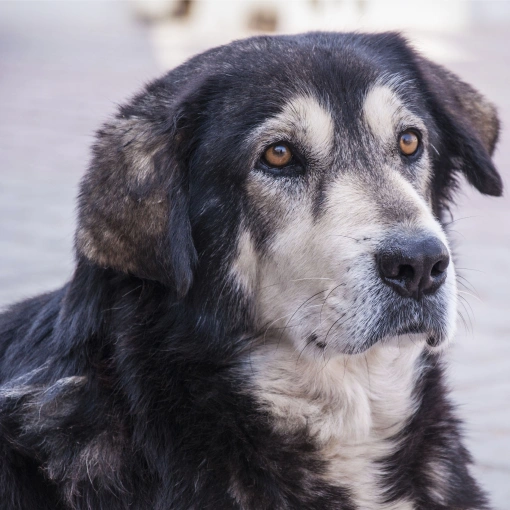


As your loyal canine companion reaches their golden years, you may start to notice subtle changes in their behavior and health. Just like humans, dogs go through the natural aging process, and while these changes are often normal, it's important to be proactive in caring for your senior dog. Regular wellness exams are essential to ensure that your dog stays healthy, comfortable, and happy during their senior years.
At Epic Tails Veterinary Clinic, we specialize in senior dog care in Charlotte, providing the attention and care your pet needs as they age. Early detection of health issues can significantly improve your dog’s quality of life and help manage any health problems that may arise. Regular checkups are an essential part of keeping your dog healthy and comfortable.
Book An Appointment
What Is The Most Important Thing To Know About Taking Care Of My Senior Dog?
Senior dogs require extra care and attention to maintain their health. As they age, they become more vulnerable to a range of health issues, including arthritis, dental disease, and heart disease. It's crucial to catch any potential problems early, as this can lead to more effective treatment and a better prognosis. Your senior dog still needs regular love and attention, even if they are less active than before.
What Is The Life Expectancy Of A Dog?
A dog's life expectancy depends on factors like breed and size. Smaller dogs, such as Dachshunds or Chihuahuas, typically live longer, often reaching 15 years or more. Larger dogs, like Golden Retrievers and Labrador Retrievers, usually have a lifespan of 9-12 years. Giant breed dogs, such as Great Danes, have a shorter life expectancy of around 7-10 years.
How Does Getting Older Impact The Health Of My Dog?
Aging affects many aspects of a dog's health. Older dogs are more prone to conditions like arthritis, which can affect their mobility. You may also notice changes in their vision, such as cataracts or reduced vision, and their skin may develop lumps or bumps. Other health changes can include a slower metabolism and changes in nutritional needs. Regular veterinary visits will help monitor and manage these changes.
What Are The Most Common Health Problems In Senior Dogs?
Senior dogs are prone to several health conditions. The most common include:
- Arthritis: Common in larger breeds, it can affect your dog's mobility.
- Heart disease: Senior dogs are at higher risk for heart problems.
- Dental disease: Smaller dogs are particularly prone to dental issues.
- Vision loss: Cataracts and other eye conditions can develop.
- Kidney disease: Common in older dogs, particularly those with a history of urinary issues.
- Weight gain: A slower metabolism can lead to weight gain, contributing to other health problems.
How Can Wellness Care Extend The Life And Comfort Of My Dog?
Regular wellness exams are vital for detecting health issues early, before they become serious problems. At Epic Tails Veterinary Clinic, we offer wellness plans tailored to the needs of senior dogs. These include comprehensive physical exams, blood work, and routine screenings to catch conditions like kidney disease or heart problems early on. By staying proactive, we can help your senior dog live a longer, healthier life.
Wellness care for senior dogs also includes proper nutrition to maintain a healthy weight and support joint health. Dental cleanings are important to prevent gum disease, which can impact the heart and kidneys. We believe that a holistic approach to senior dog care can significantly enhance their well-being.
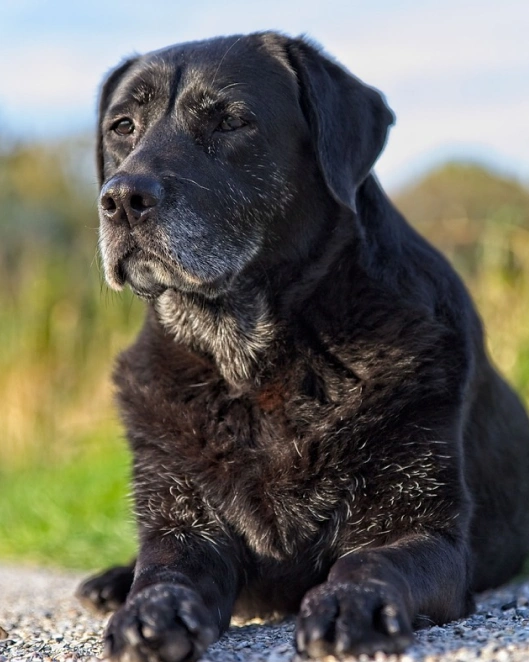
Does My Senior Dog Still Need Annual Wellness Exams Or Semi-Annuals, Vaccines, And Preventive Care?
As your dog enters their senior years, it becomes even more important to continue regular veterinary visits. Senior dogs are more susceptible to illnesses, so regular checkups and vaccinations are crucial. We recommend semi-annual wellness exams for senior dogs, as their bodies change more rapidly with age. Your veterinarian will also tailor vaccine recommendations based on your dog's lifestyle and health status.
What Are Some Signs And Symptoms That My Dog Might Be Slowing Down Due To Their Old Age?
There are several signs that your dog might be slowing down due to aging, which are often completely normal. However, if you're concerned, it's always a good idea to visit your veterinarian for an evaluation. Common signs include:
- A decrease in energy or interest in activities like playing or walking.
- Difficulty jumping or climbing stairs due to arthritis or joint pain.
- Vision loss or cataracts.
- A persistent cough, which could indicate heart or respiratory issues.
- Changes in appetite, weight, or eating habits.
Why Is It Important To Avoid Self-Diagnosing Whether My Dog Is Sick Or Just Slowing Down?
Self-diagnosing can lead to misinterpretation of your dog's symptoms, delaying necessary treatment. Many health problems in dogs, especially senior dogs, are subtle and can be overlooked. A veterinarian can provide a thorough examination, identifying issues that may not be immediately obvious. For example, a persistent cough could be a sign of heart disease rather than just normal aging.
When You Examine A Senior Dog, What Are You Looking For?
During a physical exam, your veterinarian will check for a variety of health issues. They will examine your dog's teeth for dental disease, listen to their heart for irregularities, and check their eyes for cataracts or other issues. Your veterinarian will also palpate your dog’s abdomen to feel for organ issues, check their joints for pain or stiffness, and evaluate their overall mobility.
If I Want To Adopt A Senior Dog, What Kinds Of Things Do I Need To Know?
Adopting a senior dog can be a rewarding experience, but it comes with additional considerations. Senior dogs may have existing health issues or require more medical attention than younger dogs. It’s important to ensure that the dog’s health history is available, as this will help your veterinarian understand their needs. A thorough initial physical exam is crucial, and ongoing veterinary care will be important to manage any age-related conditions.
If you have any questions about senior dog care in Charlotte, contact Epic Tails Veterinary Clinic to schedule a wellness exam or consultation for your senior dog. We're here to help you provide the best care for your furry friend during their golden years.
FAQs
Schedule Your Pet’s Visit Today
For dedicated and professional veterinary care designed to meet your pet's specific needs, please schedule an appointment.