
🐾 Epic Tails Academy (Quarterly Event) • Learn More ›
How Veterinarians Choose the Right Diagnostic Tests for Cats

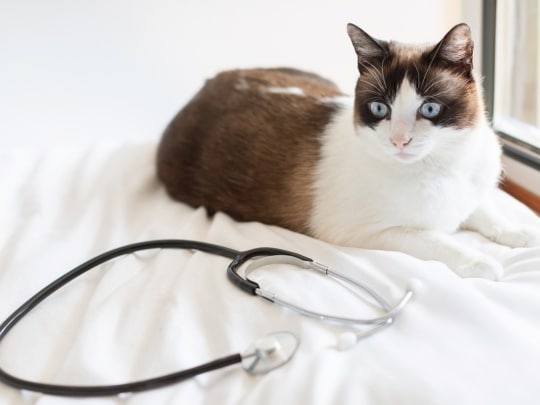
Cats are remarkably good at hiding subtle changes in how they feel. A cat may continue eating, grooming, and resting normally while an underlying health concern is developing. This can make diagnosis more challenging and explains why veterinarians often use a thoughtful combination of physical examinations, laboratory work, imaging, and other diagnostic tools.
Choosing a diagnostic test is not simply about ordering the most advanced option available. The goal is to select the test that can provide useful information based on the cat’s symptoms, age, medical history, physical findings, and overall condition.
At Epic Tails Veterinary Clinic, cat owners in Charlotte can discuss their concerns with a veterinary team that can help determine which diagnostic approach may be appropriate. Understanding how veterinarians make these decisions can also help pet owners feel more comfortable with the diagnostic process.
The Physical Examination Comes First
Before recommending diagnostic testing, a veterinarian begins by gathering information about the cat. This usually includes questions about appetite, water intake, litter box habits, activity, behavior, weight changes, medications, diet, and any symptoms noticed at home.
The physical examination then provides another layer of information. The veterinarian may listen to the heart and lungs, examine the eyes and mouth, feel the abdomen, assess body condition, and observe movement and behavior.
These findings help establish what areas may require further investigation. A cat with weight loss, for example, may need a different diagnostic approach from a cat with coughing or changes in urination.
This initial assessment is an important part of cat diagnostic care because it helps make testing more focused.
Symptoms Help Guide the Testing Process
Different symptoms can point toward different body systems. Vomiting, changes in appetite, increased thirst, weight loss, coughing, diarrhea, changes in urination, or unusual behavior may each require a different diagnostic strategy.
However, symptoms alone rarely identify a specific condition. Several health concerns can produce similar signs in cats.
Veterinarians therefore consider the complete picture rather than relying on one symptom. The duration of the problem, severity, frequency, age of the cat, and previous medical history can all influence which tests are appropriate.
This step helps prevent unnecessary testing while making sure important possibilities are not overlooked.
Blood and Urine Testing Can Provide Valuable Clues
Laboratory testing is often an important part of feline diagnostic evaluation. Blood testing can provide information about blood cells, organ function, metabolic processes, and other internal changes.
Urine testing can provide additional information about hydration, urinary health, kidney-related concerns, and other processes.
These tests are useful because some internal changes may not produce obvious physical signs. A cat may appear relatively normal while laboratory results indicate that further investigation is warranted.
Laboratory results may also help veterinarians decide whether advanced testing is appropriate or whether monitoring and follow-up may be more suitable.
When Imaging May Be Appropriate
If a physical examination or laboratory results raise questions about an internal problem, imaging may become part of the diagnostic plan.
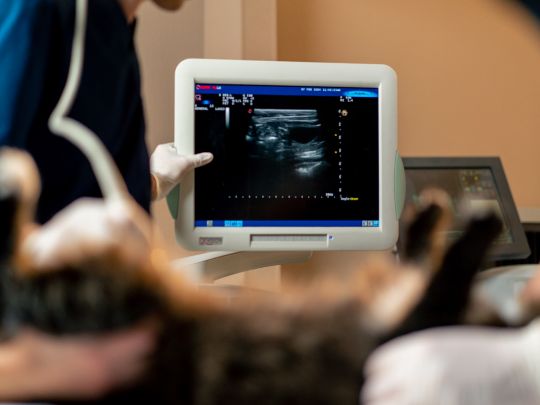
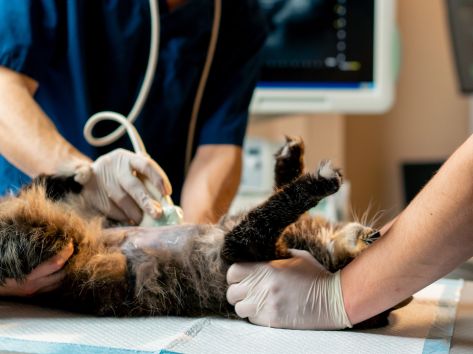
Different imaging methods provide different types of information. Radiographs can be useful for evaluating certain organs, bones, and patterns within the abdomen or chest. Ultrasound can provide detailed images of many soft tissues and internal organs.
The choice depends on what the veterinarian is trying to investigate.
For example, a veterinarian evaluating persistent digestive symptoms may consider imaging that provides information about abdominal structures. A cat showing respiratory changes may require an approach focused on the chest.
The objective is not simply to perform a test. It is to select an examination that can answer a specific clinical question.
What Makes Advanced Testing Useful?
The phrase advanced testing can sound intimidating, but it simply refers to diagnostic tools that provide information beyond a basic examination or routine laboratory evaluation.
Advanced testing may be considered when initial findings are unclear, symptoms continue, or the veterinarian needs more detailed information about a particular body system.
Depending on the situation, advanced testing can include specialized laboratory analysis, imaging, or other diagnostic procedures.
Not every cat needs advanced testing. Veterinarians generally consider whether the expected information will meaningfully contribute to understanding the cat’s condition and deciding what to do next.
Age Can Influence Diagnostic Decisions
A cat’s age is another important factor when selecting diagnostic tests. Kittens, adult cats, and senior cats can have different health considerations.
A younger cat with a sudden change may require a different evaluation from an older cat experiencing gradual weight loss or reduced activity.
Age is not used in isolation. It is considered alongside the cat’s symptoms, physical findings, lifestyle, previous medical history, and other relevant factors.
Routine veterinary visits also create a useful baseline. When veterinarians know what is normal for an individual cat, changes over time can be easier to recognize and investigate.
Previous Results Can Shape the Next Step
Diagnostic care is often a process rather than a single appointment. A veterinarian may begin with an examination and initial tests, then use those results to decide whether additional evaluation is necessary.
For instance, an abnormal laboratory finding may prompt imaging, while an unremarkable initial evaluation may support monitoring and follow-up instead.
Previous medical records can therefore be extremely helpful. They allow the veterinary team to compare current findings with earlier results and identify meaningful changes.
Keeping your cat’s medical history organized and telling the veterinary team about previous concerns can support a more informed diagnostic process.
Why One Test Does Not Always Give the Full Answer
It can be tempting to look for one test that will identify exactly what is wrong. In veterinary medicine, however, different tests often answer different questions.
A blood test may indicate that something is changing internally without showing the structural cause. An imaging study may reveal an abnormal area without explaining its exact nature. Additional testing may sometimes be needed to clarify the findings.
This is why veterinarians interpret diagnostic results in combination with the physical examination and clinical history.
Good cat diagnostic care is about connecting these pieces rather than relying on a single result.
Your Cat’s Behavior Is Part of the Diagnostic Picture
Owners play an important role in helping veterinarians understand subtle health changes. Cats may not show obvious symptoms during a clinic visit, so what happens at home can be especially valuable.
Take note of changes in eating, drinking, sleeping, grooming, activity, social interaction, litter box habits, and body weight.
Even a small change can provide useful context. If possible, keep track of when the change started and whether it has become more frequent or severe.
Sharing these observations can help your veterinarian decide which diagnostic questions need to be answered first.
Personalized Testing Can Support Better Decisions
Every cat is different. The right diagnostic plan depends on the individual patient rather than a fixed checklist.
A veterinarian may recommend routine testing for one cat while choosing imaging or advanced testing for another. The decision should be based on the information available and the questions that need to be answered.
At Epic Tails Veterinary Clinic, cat owners in Charlotte can discuss symptoms, behavioral changes, previous medical concerns, and diagnostic options with their veterinary team. This individualized approach helps ensure that testing is connected to the cat’s specific needs.
Schedule a Cat Diagnostic Consultation
If your cat has developed a noticeable change in appetite, weight, behavior, activity, digestion, urination, or another aspect of daily life, consider scheduling an online appointment with Epic Tails Veterinary Clinic in Charlotte.
A veterinary consultation can help determine whether your cat needs observation, routine testing, imaging, or advanced testing. Getting a professional assessment can also help you understand what the recommended tests are designed to reveal.
Thoughtful cat diagnostic care begins with asking the right questions and choosing diagnostic tools that provide meaningful information about your cat’s health.
Frequently Asked Questions
Q1. Why does a veterinarian need to examine my cat before ordering tests?
Ans: A physical examination provides important clues about your cat’s overall health and helps the veterinarian identify which body systems may require closer evaluation. These findings can guide the selection of appropriate diagnostic tests.
Q2. Does every cat with symptoms need advanced testing?
Ans: No. The need for advanced testing depends on the cat’s symptoms, examination findings, age, medical history, and initial test results. Your veterinarian can determine whether additional testing is likely to provide useful information.
Q3. What information should I give my veterinarian about my cat’s symptoms?
Ans: Share when the symptoms started, how often they occur, whether they are changing, and any differences in appetite, drinking, weight, activity, grooming, behavior, or litter box habits. These details can help guide diagnostic decisions.
Q4. Can laboratory tests and imaging be used together?
Ans: Yes. Laboratory tests and imaging provide different types of information and can complement one another. Your veterinarian may combine results to develop a more complete understanding of your cat’s condition.
Q5. Why might my cat need another test after the first test?
Ans: An initial test may identify a change without explaining its underlying cause. Additional testing can sometimes provide more specific information and help the veterinarian determine the most appropriate next step for your cat.
Schedule Your Pet’s Visit Today
For dedicated and professional veterinary care designed to meet your pet's specific needs, please schedule an appointment.