
🐾 Epic Tails Academy (Quarterly Event) • Learn More ›
Cat Straining to Pee? Why It Can Be an Emergency and What to Do

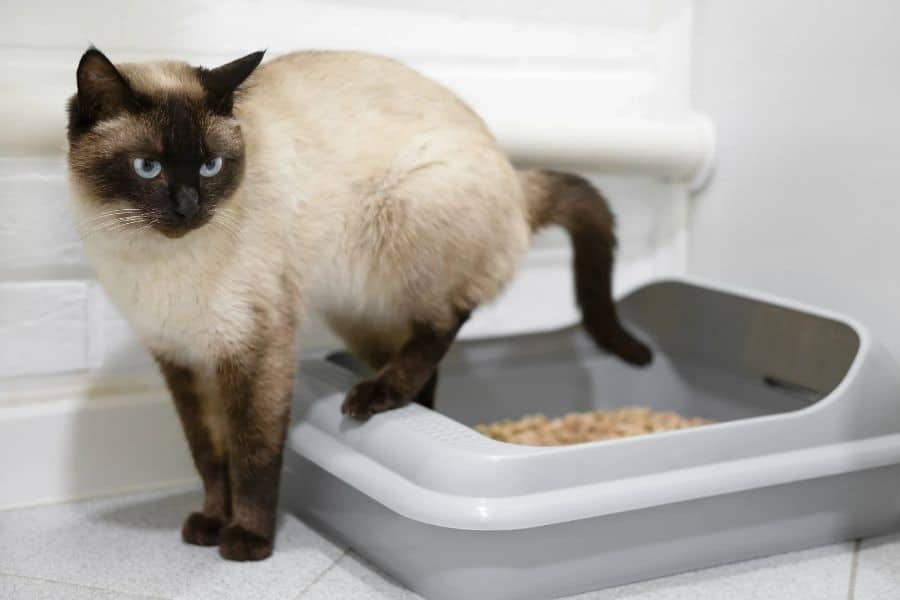
If you see your cat straining to pee, crying in the litter box, or passing little or no urine, don’t wait it out. This can be a life-threatening emergency, especially in male cats, and it calls for urgent pet care right away. At Epic Tails Veterinary Clinic, we want Charlotte pet parents to know the warning signs, because acting quickly can make all the difference for your cat.
Why Is My Cat Straining to Pee?
Straining to pee is never normal. Peeing should be comfortable and effortless, with a steady stream of urine. When a cat strains, it often points to a problem in the lower urinary tract. Common causes include:
- Bladder inflammation (cystitis): irritation that makes urination painful and frequent
- Urinary stones or crystals: mineral buildup that irritates the bladder or blocks the flow of urine
- Urethral plugs: a blockage that can stop urine from leaving the body
- Urinary tract infections: bacterial infections that cause discomfort and frequent attempts to pee
Veterinarians often group these problems under the name feline lower urinary tract disease. Only an exam and testing can tell which one your cat has, so don’t try to diagnose this at home.
Why a Urinary Blockage Is an Emergency
When a cat is blocked, urine can’t leave the bladder. Pressure builds, and your cat can become very sick quickly. Without prompt treatment, a blockage can be fatal.
Male cats are at higher risk because their urethra is narrow, which makes it easier for plugs or stones to get stuck. Females can develop painful urinary problems too, so straining in any cat deserves attention.
If your cat is straining and passing little or no urine, go to a veterinarian immediately. Don’t wait until morning or for a routine appointment.
Signs Your Cat Needs to See a Vet Right Away
Early signs can look like constipation or a behavior problem, which is why many owners miss them. Watch for:
- Frequent trips to the litter box with little or no urine
- Straining, squatting, or hunching for long periods
- Crying or yowling in or near the litter box
- Peeing outside the box, such as in the bathtub, on tile, or on rugs
- Blood-tinged or pink urine
- Excessive licking of the genital area
- Hiding, restlessness, or pacing
As the problem worsens, you may also see:
- Vomiting
- Refusing food
- A hard or painful belly
- Lethargy, weakness, or collapse
Seeing any of these, especially in a male cat, means you should seek care immediately.
Is It Constipation or a Urinary Problem?
This is tricky, because both can cause straining. If you aren’t sure whether your cat is actually passing urine, check the litter box for fresh wet spots and see how large they are. If you still can’t tell, treat it as urgent and call a veterinarian right away. It is safer to have a false alarm than to wait on a blockage.
What to Do If Your Cat Is Straining to Pee
- Stay calm and watch closely. Check whether any urine is being passed.
- Call your veterinarian now. Let them know your cat is straining and whether any urine is coming out.
- Go to the nearest emergency hospital if we are closed or can’t see your cat right away. Do not wait for the next available appointment.
- Don’t give medication or home remedies unless a veterinarian tells you to. Some human medications are toxic to cats.
- Transport your cat safely in a carrier, and handle their belly gently since it may be painful.
How Veterinarians Treat Urinary Problems in Cats
Treatment depends on the cause and how sick your cat is. Your veterinary team may recommend:
- A physical exam to check the bladder, pain level, and overall condition
- Urine tests and bloodwork to check for infection, crystals, and kidney changes
- Relief of a blockage, which usually involves sedation and a urinary catheter
- Hospitalization with fluids and monitoring
- Pain relief and medications to ease inflammation or urethral spasms
- Antibiotics when an infection is confirmed
- Surgery in some cases, such as when bladder stones need to be removed
- A prescription urinary diet to help prevent a repeat episode
Cats that need around-the-clock monitoring may require care at an emergency, so it’s worth knowing where yours is before you ever need it.
Which Cats Are at Higher Risk?
Any cat can develop urinary trouble, but risk is higher in:
- Male cats
- Overweight or less active cats
- Indoor cats
- Cats with low water intake or a diet made up mostly of dry food
- Cats under stress from moves, new pets, or changes in routine
- Cats with a history of crystals, stones, or past urinary problems
Charlotte’s hot, humid summers can make hydration even more important, and household changes like moving, construction noise, or new roommates can add stress for some cats.
How to Help Prevent Urinary Problems in Cats
Prevention can lower your cat’s risk, though it can’t guarantee they’ll never have a problem:
- Encourage water intake. Offer fresh water, a pet fountain, and multiple bowls around the house.
- Ask your vet about wet food. Moisture-rich diets may help support urinary health.
- Follow your vet’s diet advice. The right food depends on your cat’s history and the type of urinary issue.
- Keep litter boxes clean. Scoop daily, and provide one box per cat plus one extra.
- Reduce stress. Keep routines steady and give your cat places to hide, climb, and play.
- Maintain a healthy weight. Your veterinarian can help you build a plan.
- Schedule regular checkups. Early detection helps catch problems before they become emergencies.
Schedule a Visit With Epic Tails Veterinary Clinic
If you notice small changes in your cat’s bathroom habits, such as more trips to the box, accidents, or a change in urine, don’t ignore them. Our team in Charlotte can examine your cat, discuss urinary health, and help you build a prevention plan. If your cat is straining and not passing urine, call us at 704-523-8015 right away or go straight to the nearest emergency hospital.
Is your cat showing changes in the litter box or needing help with urinary health? Schedule an appointment with Epic Tails Veterinary Clinic today, and our team will help you protect your cat’s comfort and long-term health.
Frequently Asked Questions
Q1. Why is my cat straining to pee but nothing is coming out?
Ans: It could be a urinary blockage, which is a medical emergency. Straining with little or no urine can lead to serious illness quickly, so contact a veterinarian or emergency hospital immediately.
Q2. How long can a cat go without peeing?
Ans: There is no safe waiting time for a cat that is straining and not peeing. A blocked cat can become critically ill within hours to days, so seek care right away rather than waiting.
Q3. Is a cat peeing in small amounts still a problem?
Ans: Yes. Frequent small amounts of urine, blood in the urine, or repeated trips to the box all signal a problem, and a partial blockage can still be dangerous. Call your veterinarian.
Q4. Can female cats get urinary blockages?
Ans: Blockages are more common in males, but females can develop painful urinary conditions such as bladder inflammation, infections, and stones. Any cat that strains to pee should be seen.
Q5. Can I treat a cat straining to pee at home?
Ans: No. Home treatment can delay care and make things worse. Encouraging water intake can support urinary health over the long term, but a cat that is straining needs a veterinarian.
Schedule Your Pet’s Visit Today
For dedicated and professional veterinary care designed to meet your pet's specific needs, please schedule an appointment.