
🐾 Epic Tails Academy (Quarterly Event) • Learn More ›
My Cat Won’t Eat: When to Seek Urgent Vet Care in Charlotte

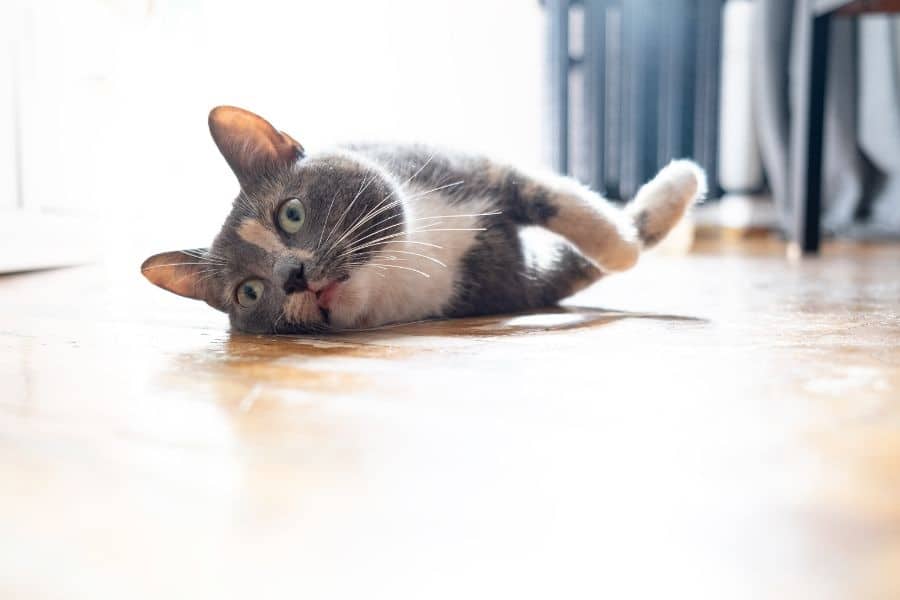
If your cat won’t eat, it’s natural to worry, and you’re right to pay attention. Cats are notorious for being picky, but a sudden loss of appetite can also be a sign that your cat needs urgent vet care. At Epic Tails Veterinary Clinic in Charlotte, we help pet owners understand when a skipped meal is nothing to worry about and when it’s time to bring their cat in for a checkup.
Why Cats Stop Eating
There are many reasons a cat won’t eat, ranging from mild to serious. Stress is one of the most common culprits. A new pet in the house, a recent move, or even rearranged furniture can throw off a cat’s routine enough to affect their appetite. Cats are creatures of habit, and even small changes in their environment can cause temporary food refusal.
On the medical side, dental pain, upset stomach, kidney disease, and infections are all common reasons cats lose interest in food. Cats hide illness well, so appetite loss is sometimes the only visible clue that something is wrong. This is why any change lasting more than a day or two deserves attention.
Food related issues can play a role too. A recent change in cat food brand or flavor, an expired product, or even a dirty food bowl can be enough to make a finicky cat turn up their nose. Ruling out simple explanations first can save you an unnecessary trip, but persistent appetite loss should never be ignored.
When a Cat Not Eating Calls for Urgent Vet Care
Not every case of a cat not eating requires same day attention, but some situations call for urgent vet care. If your cat hasn’t eaten anything for more than 24 hours, this is considered a medical concern, especially for cats, who are prone to a serious liver condition called hepatic lipidosis when they go without food for too long. This condition can develop quickly, particularly in overweight cats.
Other warning signs that mean you shouldn’t wait include vomiting, diarrhea, lethargy, hiding, difficulty breathing, or drooling. If your cat is also refusing water, that raises the concern even further, since dehydration can set in fast and make your cat feel even worse. These are the moments when urgent pet care makes the biggest difference in your cat’s recovery.
Kittens, senior cats, and cats with existing health conditions are especially vulnerable to complications from not eating. If you notice any of these red flags alongside appetite loss, it’s best to have your cat evaluated by a veterinarian right away rather than waiting to see if things improve on their own.
What You Can Do at Home
If your cat seems otherwise healthy, active, alert, and drinking water, there are a few gentle steps you can try at home. Warming up their food slightly can enhance the aroma and make it more appealing, since cats rely heavily on smell to want to eat. Offering a small amount of a different texture, like wet food instead of dry, can also spark interest.
Reducing stress in the home matters too. Make sure your cat’s food bowl is in a quiet, low traffic area away from loud appliances or other pets. Some cats also prefer shallow bowls, since whisker fatigue from bumping against high sides can discourage eating.
That said, home remedies should only be a short term approach. If your cat still won’t eat after a day, or if you notice any of the warning signs mentioned above, it’s time to seek urgent pet care rather than continuing to wait it out.
How Veterinarians Diagnose the Cause
When you bring your cat in for a not eating concern, your veterinarian will start with a full physical exam, checking for dental disease, abdominal pain, weight loss, and signs of illness. From there, bloodwork is often recommended to check organ function, blood sugar, and signs of infection or inflammation.
Depending on what the exam and bloodwork reveal, additional diagnostics like X-rays or an ultrasound may be used to look for blockages, tumors, or other internal issues. Urinalysis can also help detect kidney problems, which are a common cause of appetite loss in older cats.
Once the underlying cause is identified, your veterinarian can recommend targeted treatment, whether that’s pain management for dental disease, fluid therapy for dehydration, appetite stimulants, or a specialized diet. Getting an accurate diagnosis early gives your cat the best chance at a smooth recovery.
Protecting Your Cat’s Health in Charlotte
A cat who won’t eat is one of the more common concerns we see at our Charlotte clinic, and it’s always worth taking seriously. While an occasional skipped meal is usually harmless, appetite loss that lasts more than a day, or comes with other symptoms, is your cat’s way of telling you it may be time for urgent vet care in Charlotte.
At Epic Tails Veterinary Clinic, our Charlotte based team is here to help you figure out exactly what’s going on and get your cat back to their normal, food loving self. Trust your instincts. If something feels off, seeking urgent pet care is always a safe choice.
Ready to Schedule an Appointment?
At Epic Tails Veterinary Clinic in Charlotte, we are committed to providing urgent vet care when your cat needs it most. Schedule your pet’s visit online today, or request an online appointment at a time that works for you, and let our team give your cat the care they deserve.
FAQ
Q1. How long can a cat go without eating before it needs urgent vet care?
Ans: Cats should not go more than 24 hours without eating. Beyond that window, they are at risk for a serious liver condition called hepatic lipidosis, so urgent vet care is strongly recommended.
Q2. Why is my cat not eating but acting normal?
Ans: Mild stress, a change in food, or a dirty bowl can cause temporary appetite loss even when a cat seems otherwise fine. Still, if it lasts more than a day, it is best to have your cat checked out.
Q3. What home remedies help when a cat won’t eat?
Ans: Warming the food, offering a different texture, and placing the bowl in a quiet spot can sometimes help. These are short term steps only and should not replace urgent vet care if the problem continues.
Q4. Can dental problems cause a cat to stop eating?
Ans: Yes. Dental pain, broken teeth, and gum disease are common reasons cats become reluctant to eat, especially dry food. A veterinary exam can identify and treat the underlying issue.
Q5. When should I seek urgent vet care in Charlotte for a cat that won’t eat?
Ans: If your cat has not eaten in 24 hours, is also vomiting, lethargic, or refusing water, or if you are simply unsure, it is time to seek urgent vet care with your Charlotte veterinarian.
Schedule Your Pet’s Visit Today
For dedicated and professional veterinary care designed to meet your pet's specific needs, please schedule an appointment.