
🐾 Epic Tails Academy (Quarterly Event) • Learn More ›
Happy, Healthy, Clean Pup: Your Guide to Puppy Bath Time

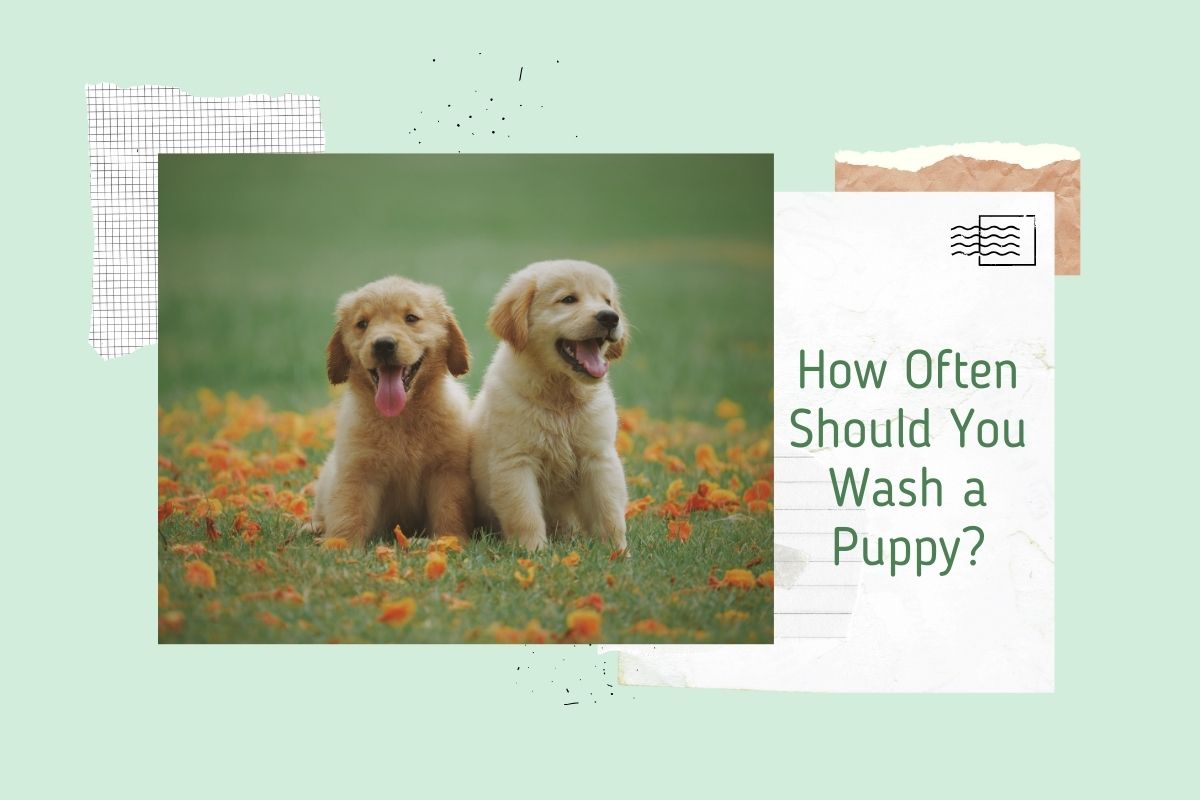
That adorable, fluffy ball of energy has wriggled into your heart (and probably a few muddy puddles, too!). While those puppy snuggles are irresistible, the reality of puppyhood often involves a bit of mess.
Over-bathing can strip their delicate skin of essential oils, leading to dryness, irritation, and even increased susceptibility to skin problems. Conversely, neglecting baths can result in unpleasant odors, matted fur, and potential skin infections. Finding balance is key to a happy, healthy, and sweet-smelling puppy.
The Golden Rule for Puppy Baths: As Needed, Not on a Strict Schedule
Unlike adult dogs with more established skin and coat, puppies have sensitive skin that is still developing. Therefore, the best approach to puppy bathing is as needed, rather than adhering to a rigid weekly or bi-weekly schedule.

So, the question arises for every new puppy parent: How Often Should You Wash a Puppy?
- Less is often more. Over-bathing can strip a puppy’s skin of its natural oils, leading to dryness and irritation.
- As needed for messes. If your puppy gets particularly muddy or smelly, a bath is definitely in order.
- Consider their age. Very young puppies (under 8 weeks) shouldn’t be bathed unless absolutely necessary, as they can have trouble regulating their body temperature. Their mother usually takes care of cleaning them.
- Wait until they settle in. When you first bring your puppy home, give them a week or two to adjust before their first bath, unless they are exceptionally dirty.
- Aim for once every 1-3 months. For most puppies, bathing every one to three months is sufficient. This can vary depending on their breed, coat type, and lifestyle.
- Spot clean when possible. For minor dirt or odors, try wiping your puppy down with a damp cloth or pet-friendly wipes instead of a full bath.
- Use puppy-specific shampoo. Human shampoos can be too harsh for a puppy’s sensitive skin. Always use a shampoo formulated specifically for puppies.
- Make it a positive experience. Introduce bathing gradually and use positive reinforcement like treats and praise to help your puppy enjoy (or at least tolerate) bath time.
Key Indicators That Your Puppy Needs a Bath:
- Obvious Dirt or Mud: If your puppy has been exploring the great outdoors and is visibly dirty, it needs a bath.
- Unpleasant Odor: That adorable puppy smell can sometimes become less desirable. If your pup starts to smell “doggy” or has rolled in something stinky, bath time is calling.
- Sticky or Matted Fur: If your puppy’s fur has become sticky due to spills or has started to mat, a gentle bath can help.
- Veterinarian Recommendation: Sometimes, your vet might recommend more frequent bathing for specific skin conditions.
Factors Influencing Bath Frequency:
While “as needed” is the general guideline, several factors can influence how often your puppy might require a wash:
- Breed and Coat Type: Breeds with oily skin or longer, denser coats may need more frequent baths than those with short, less oily fur.
- Lifestyle and Activity Level: An adventurous puppy who loves digging and exploring will likely get dirtier more often than a homebody.
- Training Accidents: House training can sometimes lead to accidents requiring a bath.
- Specific Skin Conditions: Puppies with allergies or other skin issues might require medicated baths as directed by their vet.
The Puppy Bathing How-To: Gentle and Positive
When bath time does arrive, it’s crucial to make it a positive experience for your puppy to avoid future bath-time battles. Here’s a step-by-step guide:
- Gather Your Supplies: You’ll need puppy-specific shampoo (mild and tear-free), a non-slip mat for the tub or sink, lukewarm water, a gentle towel, and potentially a cup or pitcher for rinsing.
- Brush First: Gently brush your puppy’s coat to remove loose fur or mats before wetting it.
- Wet Thoroughly: Use lukewarm water to completely wet your puppy’s coat, avoiding their eyes and ears.
- Lather Gently: Apply a small amount of puppy shampoo and gently lather from head to tail.
- Rinse Completely: Thoroughly rinse all the shampoo from their coat with lukewarm water until it clears. Residual shampoo can cause skin irritation.
- Towel Dry: Gently towel dry your puppy, rubbing and squeezing out excess water. If your puppy is comfortable with it, you can use a low-heat hairdryer on a gentle setting, keeping it at a safe distance.
- Reward and Praise: Offer plenty of praise and treats throughout the process to create positive associations with bath time.
Conclusion:
Worried about bath time battles or unsure about the best products for your puppy’s sensitive skin? Our expert team can provide personalized advice and recommend gentle, puppy-safe shampoos to make bath time a breeze! Schedule a puppy wellness consultation today, and let us help you establish healthy grooming habits for a lifetime of cuddles and a sparkling-clean pup!
In conclusion, aim to bathe your puppy only when it is visibly dirty or smelly rather than on a strict schedule. Please pay attention to their needs, breed, and lifestyle, and always make bath time a gentle and positive experience. A clean puppy is a happy puppy, which makes for a happy home!
Schedule Your Pet’s Visit Today
For dedicated and professional veterinary care designed to meet your pet's specific needs, please schedule an appointment.