
🐾 Epic Tails Academy (Quarterly Event) • Learn More ›
How Veterinarians Diagnose Hidden Illnesses Before They Become Serious

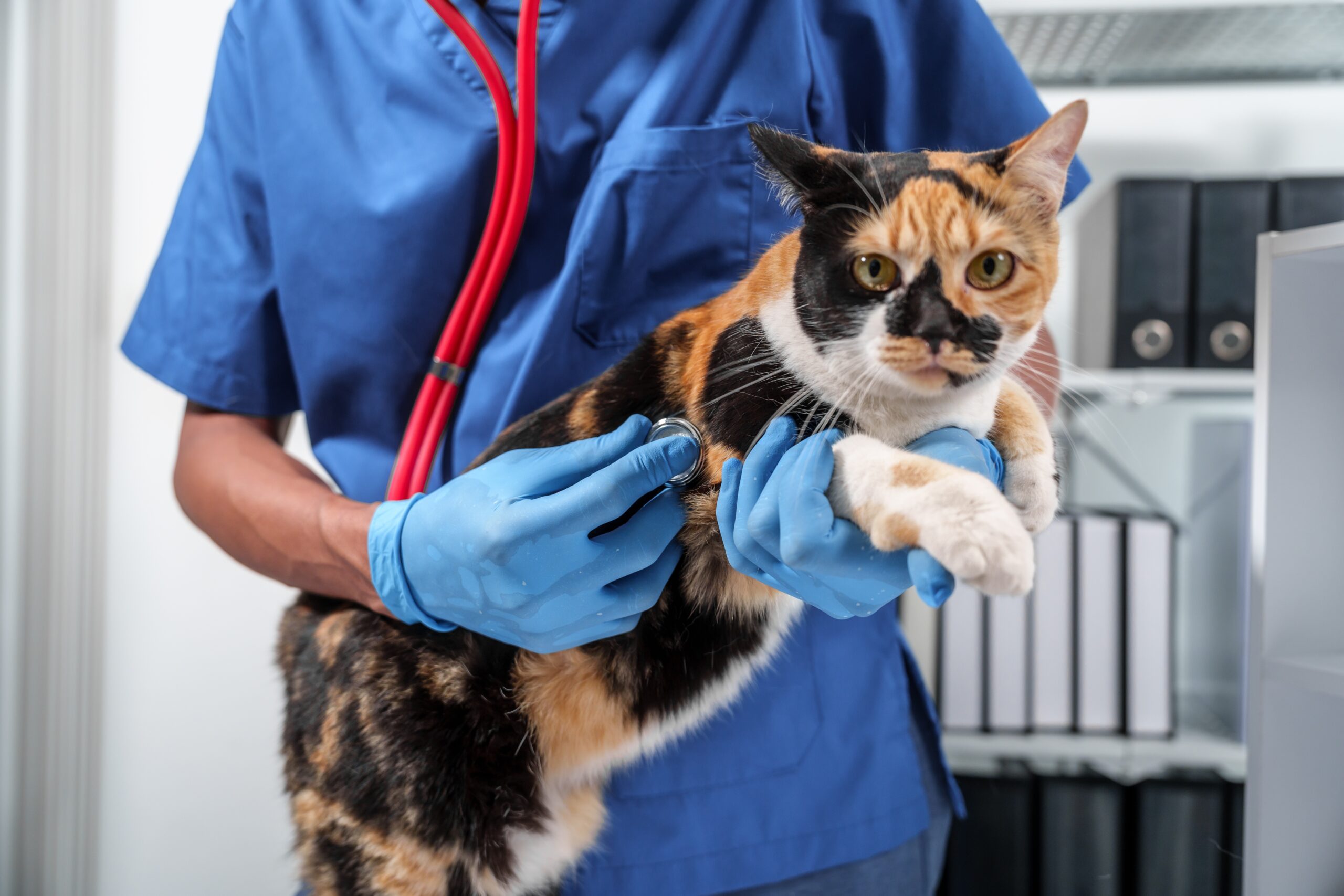
Pets are masters at hiding discomfort. By the time many pet owners notice something is wrong, an illness may have already progressed significantly. That’s why veterinarians in Charlotte are trained to detect subtle warning signs long before symptoms become obvious — using advanced diagnostics and thorough wellness exams to catch problems early and protect your pet’s long-term health.
Why Hidden Illnesses Are So Common in Pets
Animals have a deep-rooted instinct to mask pain and weakness. In the wild, showing vulnerability can make an animal a target — and even domesticated pets carry that instinct. This means your dog or cat may be experiencing kidney disease, early-stage diabetes, or even a heart condition without showing a single visible symptom.
This is one of the most important reasons routine veterinary visits matter so much. A pet that appears healthy on the outside may be quietly battling something internally. Without professional evaluation, these conditions often go undetected until they’ve become much harder — and more expensive — to treat.
Regular wellness exams give your veterinarian the opportunity to compare your pet’s health over time, spot gradual changes, and intervene early when the chances of a full recovery are highest.
What Happens During a Comprehensive Wellness Exam
A thorough wellness exam goes far beyond a quick once-over. When you bring your pet in for a checkup, your veterinarian will conduct a head-to-tail physical evaluation that includes checking the eyes, ears, teeth, coat, skin, lymph nodes, abdomen, and heart and lung sounds.
Even subtle findings — a slightly enlarged lymph node, an irregular heartbeat, or mild dental inflammation — can be early indicators of an underlying issue. Your vet will also ask about your pet’s eating habits, water intake, energy levels, bathroom habits, and behavior at home. These details matter enormously and can help paint a clearer picture of your pet’s overall health.
Many conditions that are difficult to detect from the outside become much more apparent when a skilled veterinarian combines a hands-on exam with your observations as a pet owner. Your daily knowledge of your pet’s routine is a valuable diagnostic tool in its own right.
Diagnostic Tools That Reveal What the Eye Can’t See
Modern veterinary medicine relies on a range of diagnostic tools to uncover hidden health issues. Blood panels and urinalysis are among the most powerful — they can reveal signs of organ dysfunction, anemia, infection, hormonal imbalances, and more, often before any outward symptoms appear.
X-rays and ultrasound imaging allow veterinarians in Charlotte to look inside the body and identify abnormalities in the chest, abdomen, and skeletal system. These tools are especially valuable for detecting tumors, fluid accumulation, enlarged organs, bladder stones, and joint changes that your pet may not yet be visibly reacting to.
Additional diagnostics like parasite screenings, thyroid panels, and blood pressure measurements are commonly used to monitor pets that are at higher risk due to age, breed, or prior health history. Together, these tools give your veterinarian a much more complete picture than a physical exam alone can provide.
How Early Detection Changes the Outcome for Your Pet
The difference between catching an illness early and catching it late can be profound. Conditions like chronic kidney disease, hyperthyroidism, and certain cancers respond far better to treatment when identified in their early stages. Early intervention can mean the difference between a manageable condition and a life-threatening crisis.
Beyond treatment success, early detection often means lower overall costs, less stress on your pet, and a better quality of life throughout the treatment process. A pet diagnosed with early-stage kidney disease, for example, can often be managed with dietary changes and medication for years — whereas a late-stage diagnosis may leave far fewer options.
Veterinarians who prioritize preventive care help pet owners stay ahead of disease rather than constantly reacting to it. This proactive approach is one of the most meaningful things you can do for an animal you love.
How Often Should Your Pet Be Screened?
The frequency of wellness visits and diagnostic screening depends on your pet’s age, species, breed, and health history. For most healthy adult dogs and cats, an annual wellness exam is the standard recommendation. Senior pets — generally those over seven years of age — benefit from biannual visits, since age-related conditions can progress quickly.
Pets with known health conditions or those on long-term medications may need more frequent monitoring. Your veterinarian will help you build a personalized screening schedule based on your pet’s individual risk factors.
Even if your pet seems perfectly healthy, sticking to a consistent exam schedule is the single most effective way to ensure that nothing goes undetected. Many of the conditions caught in routine screenings show no symptoms at all until they’ve significantly advanced.
Conclusion: Don’t Wait for Symptoms to Seek Care
Hidden illnesses don’t announce themselves — that’s what makes them so dangerous. The best protection you can offer your pet is a trusted relationship with a veterinarian who knows their history, monitors their health over time, and uses the right diagnostic tools to catch problems before they escalate. Veterinarians in Charlotte are well-equipped to do exactly that, combining clinical expertise with modern technology to give your pet the best possible care at every stage of life.
At Epic Tails Veterinary Clinic, our team is committed to thorough, compassionate preventive care that keeps your pet healthy from the inside out. We believe the best treatment is the one you never have to give — because we caught the problem before it started.
We are committed to giving every pet the thorough, proactive care they deserve. Book your pet’s wellness exam today and let our team help you stay one step ahead of illness. Schedule your appointment online at our website.
Frequently Asked Questions
Q1. How do veterinarians in Charlotte detect illnesses that have no visible symptoms?
Veterinarians use a combination of thorough physical exams, blood work, urinalysis, and imaging tools like X-rays and ultrasound to identify internal changes that aren’t yet visible on the outside. These diagnostics can reveal organ dysfunction, hormonal imbalances, and other conditions long before symptoms appear.
Q2. How often should my pet have a wellness exam and bloodwork done?
Most healthy adult pets benefit from an annual wellness exam with routine bloodwork. Senior pets — typically those over seven years old — should be seen every six months, as age-related conditions can develop and change quickly.
Q3. Can my pet really have a serious illness without acting sick?
Yes, absolutely. Pets instinctively hide signs of illness, which is why so many conditions go unnoticed until they’ve progressed. Diseases like kidney disease, diabetes, and thyroid disorders often have no obvious early symptoms, making routine screening essential.
Q4. What should I tell my vet to help with early detection?
Share any changes you’ve noticed at home, even if they seem minor — things like increased thirst or urination, changes in appetite, shifts in energy level, altered sleep patterns, or changes in coat quality. These behavioral clues are incredibly helpful for your veterinarian’s assessment.
Q5. Is early detection really worth the cost of routine diagnostics?
In most cases, yes. Catching a condition early typically means simpler, less expensive treatment and a much better outcome for your pet. Routine diagnostics are an investment in your pet’s long-term health and quality of life.



Schedule Your Pet’s Visit Today
For dedicated and professional veterinary care designed to meet your pet's specific needs, please schedule an appointment.