
🐾 Epic Tails Academy (Quarterly Event) • Learn More ›
How to Keep Your Pets Safe During Halloween

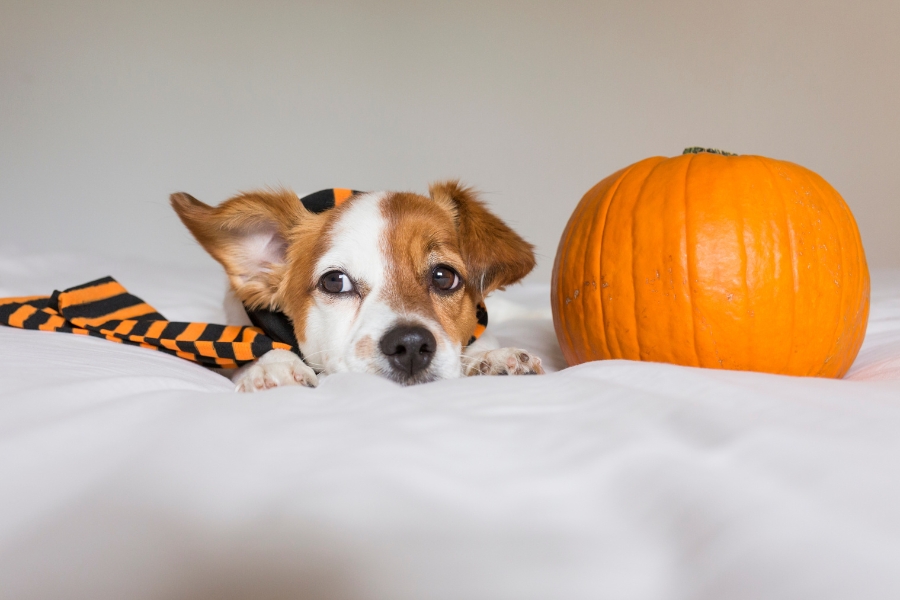
Halloween is a fun and festive time for families, filled with costumes, candy, and spooky decorations. However, it can pose several risks for your pets. From loud noises to toxic treats and costume discomfort, Halloween can quickly turn into a frightening experience for your furry friends. Fortunately, with some preparation and awareness, you can keep your pets safe and stress-free during the spooky season.
In this article, we’ll share practical and veterinarian-approved tips to help protect your pets during Halloween. Whether you’re hosting a party, going trick-or-treating, or simply staying home, these safety measures will help you create a safe environment for your animals.
1. Keep Halloween Treats Out of Reach
First and foremost, Halloween candy is a major hazard for pets. Chocolate, especially dark chocolate, is toxic to dogs and cats. Additionally, sugar-free gum and candies often contain xylitol, which can cause a dangerous drop in blood sugar or even liver failure in dogs.
Make sure all treats are kept in a secure container and stored out of reach. If you have children, remind them not to share candy with the pets. Moreover, keep trash bins closed and cleaned frequently to prevent pets from scavenging.
2. Choose Pet-Friendly Decorations
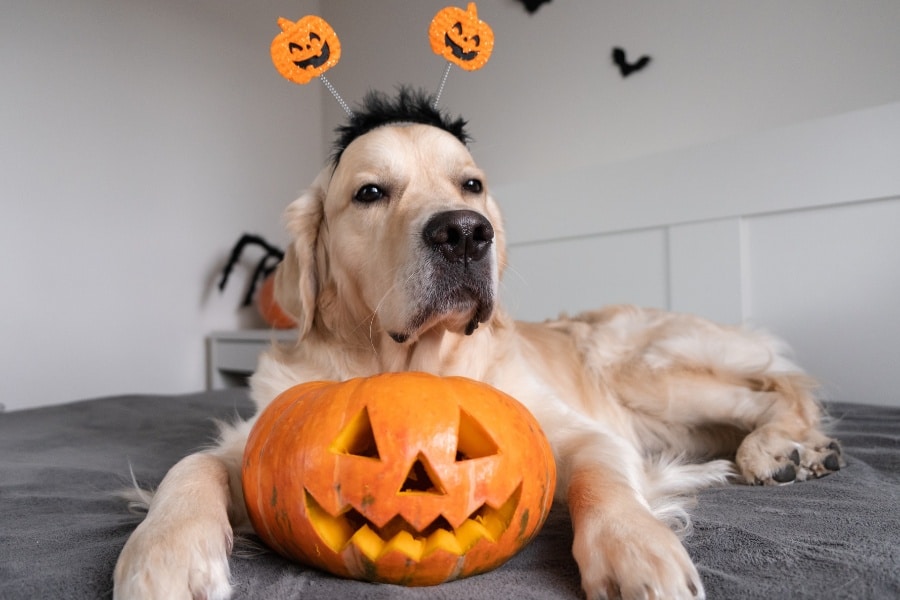
While spooky decorations can transform your home into a haunted haven, many of them can be harmful to pets. For example, fake cobwebs can entangle cats and small dogs. Candles inside jack-o’-lanterns pose a burn risk, and small decorations can become choking hazards.
Instead, opt for flameless LED candles and avoid placing decorations within your pet’s reach. Always supervise your pets around new objects and scents, as curiosity might lead to unintended consequences.
3. Avoid Stress from Costumes
Dressing up pets for Halloween has become increasingly popular. Although some pets enjoy wearing costumes, others may feel anxious or uncomfortable. If you do decide to dress up your pet, choose a costume that fits properly, allows full movement, and doesn’t cover the face or restrict breathing.
Introduce the costume slowly and observe your pet’s behavior. If they seem distressed or agitated, skip the costume altogether. Sometimes, a simple festive collar or bandana can be a safer and more comfortable alternative.
4. Limit Doorbell Noise and Visitors
During Halloween, the constant ringing of the doorbell and a stream of strangers in costumes can be terrifying for pets. Dogs may become overly protective or fearful, and cats often run and hide in response to the noise.
To prevent stress, consider placing your pet in a quiet, secure room away from the front door. Provide comforting items like their favorite blanket or toys, and play soft music to mask external noise. If your pet is crate-trained, their crate can offer a sense of safety.
5. Keep Pets Indoors and Secure
Halloween night can be chaotic and unpredictable. Therefore, it’s best to keep pets indoors, especially during peak trick-or-treating hours. Pets can easily slip out through open doors or gates, especially when frightened by loud noises or unfamiliar costumes.
Ensure your pet is wearing a collar with updated ID tags and is microchipped. This will significantly increase the chances of a safe return if they happen to escape. Always double-check that all windows, doors, and gates are securely closed.
6. Be Cautious with Glow Sticks and Batteries
Glow sticks are popular Halloween accessories, but they can be hazardous if chewed or ingested by pets. While the liquid inside is usually non-toxic, it can cause drooling, vomiting, or mouth irritation. Similarly, small batteries in flashing toys and decorations can cause internal burns or blockages if swallowed.
Always supervise your pets around these items and dispose of them immediately after use.
Halloween can be a magical time, but for our pets, it comes with several risks. By taking simple steps like avoiding toxic treats, using safe costumes, and creating a peaceful environment, you can make the holiday safe for everyone in your household.
If you’re ever in doubt or notice unusual behavior in your pet during the Halloween season, don’t hesitate to contact your veterinarian. At Epic Tails Veterinary Clinic, we’re always here to help ensure your pets stay healthy, happy, and safe all year long.
Frequently Asked Questions (FAQs)
Q1. Can pets eat Halloween candy?
Ans. No, pets should never eat Halloween candy. Chocolate, xylitol, and wrappers can be toxic and cause serious health issues.
Q2. Is it okay to dress my pet in a costume?
Ans. Only if the costume fits comfortably and doesn’t cause distress, watch for signs of anxiety, and never force a costume on your pet.
Q3. How can I reduce my pet’s anxiety on Halloween?
Ans. Keep them in a quiet room away from the front door. Use white noise or soft music to help calm them.
Q4. Should I take my pet trick-or-treating?
Ans. It’s not recommended unless your pet is calm, well-trained, and comfortable around crowds. Always use a leash and harness for control.
Q5. Are Halloween decorations dangerous for pets?
Ans. Some are. Avoid candles, fake cobwebs, and small parts that can be swallowed or chewed.
Schedule Your Pet’s Visit Today
For dedicated and professional veterinary care designed to meet your pet's specific needs, please schedule an appointment.