
🐾 Epic Tails Academy (Quarterly Event) • Learn More ›
Behind the Scenes of Health: Why Pet Diagnostic Care Is Essential

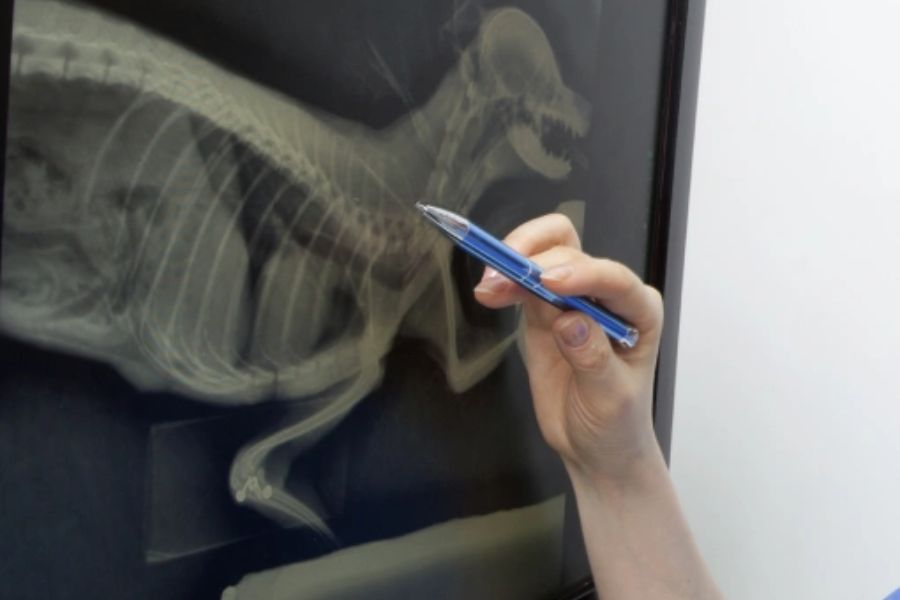
When it comes to your pet’s health, prevention is always better than cure. While regular check-ups and vaccinations are vital, one area that often gets overlooked is pet diagnostic care. These tests—ranging from simple bloodwork to advanced imaging—are the invisible guardians of your pet’s well-being. They help uncover what the eye can’t see and the stethoscope can’t hear.
Let’s explore how diagnostic care keeps your pet safe, happy, and healthy.
What Is Pet Diagnostic Care?
Pet diagnostic care refers to the use of medical tests and screenings to detect diseases or abnormalities in your pet, sometimes even before symptoms appear. These tests include:
- Blood tests (CBC, chemistry panels)
- Urinalysis
- Fecal exams
- X-rays and ultrasounds
- ECGs and MRIs
- Biopsies or fine needle aspirates
Veterinarians rely on these tools to get a complete internal picture of your pet’s health. Even when your furry friend seems perfectly fine on the outside, diagnostics can detect early warning signs that could lead to serious conditions if left untreated.
Why Early Detection Saves Lives
Imagine this: Your dog seems tired, but you assume it’s just the heat. However, a simple blood test reveals early-stage kidney disease. Because you caught it early, treatment begins immediately, preventing further damage.
This is the power of early detection.
Pet diagnostic care helps identify:
- Infections
- Organ dysfunction
- Parasites
- Hormonal imbalances
- Cancerous growths
By spotting these conditions early, treatment is often more effective, less invasive, and more affordable. Most importantly, it can significantly extend your pet’s life.
Types of Diagnostic Tests and What They Reveal
Different diagnostic tools serve different purposes. Here’s a breakdown of the most common ones:
1. Blood Tests
These are often the first line of defense. They check organ function, blood cell counts, and enzyme levels.
2. Urinalysis
It’s really helpful for identifying urinary tract infections, diabetes, and issues with the kidneys.
3. X-rays and Ultrasound
These imaging tools help identify broken bones, tumors, and abnormalities in organs like the heart and liver.
4. Fecal Tests
They help uncover parasites or gastrointestinal diseases.
5. Electrocardiogram (ECG)
Monitors heart activity and detects arrhythmias.
Each of these plays a unique role in maintaining your pet’s internal health, especially in aging animals or breeds prone to specific conditions.
How Often Should Diagnostic Tests Be Done?
For healthy adult pets, it’s usually a good idea to get them checked with annual diagnostic testing.
However, the frequency might increase if your pet:
- Is a senior (usually over 7 years)
- Has a chronic condition (e.g., diabetes, arthritis)
- Belongs to a breed with known genetic issues
- Shows any unusual behavior or symptoms
Routine screenings help track changes over time, making it easier to catch abnormalities early.
Integrating Diagnostic Care into Routine Vet Visits
Don’t wait for symptoms to arise. Proactively requesting diagnostic care during regular wellness exams is a smart step toward responsible pet ownership. Your veterinarian can tailor the tests based on age, breed, and medical history.
Also, maintaining a diagnostic record helps compare past and present results, making future health trends easier to analyze.
Just as you get annual health check-ups, your pet deserves the same level of care. Pet diagnostic care isn’t just about detecting disease—it’s about peace of mind, preparedness, and proactive wellness.
By investing in early detection, you’re giving your furry friend the best chance at a long, joyful life.
FAQs About Pet Diagnostic Care
1. Is diagnostic care only for sick pets?
A: No. Preventive diagnostic care helps detect hidden problems before they become serious.
2. Is diagnostic testing expensive?
A: Costs vary, but early detection often reduces long-term treatment expenses.
3. How long do test results take?
A: Basic tests like bloodwork can take a few hours to a day. More advanced results may take 2–5 days.
4. Do all pets need the same tests?
A: No. Vets customize tests based on age, breed, symptoms, and medical history.
5. Can diagnostic tests be done during routine exams?
A: Yes, many diagnostic tests are integrated into regular wellness visits for convenience.
6. How can I prepare my pet for testing?
A: Follow your vet’s instructions—some tests may require fasting or collecting samples at home.
Related Articles
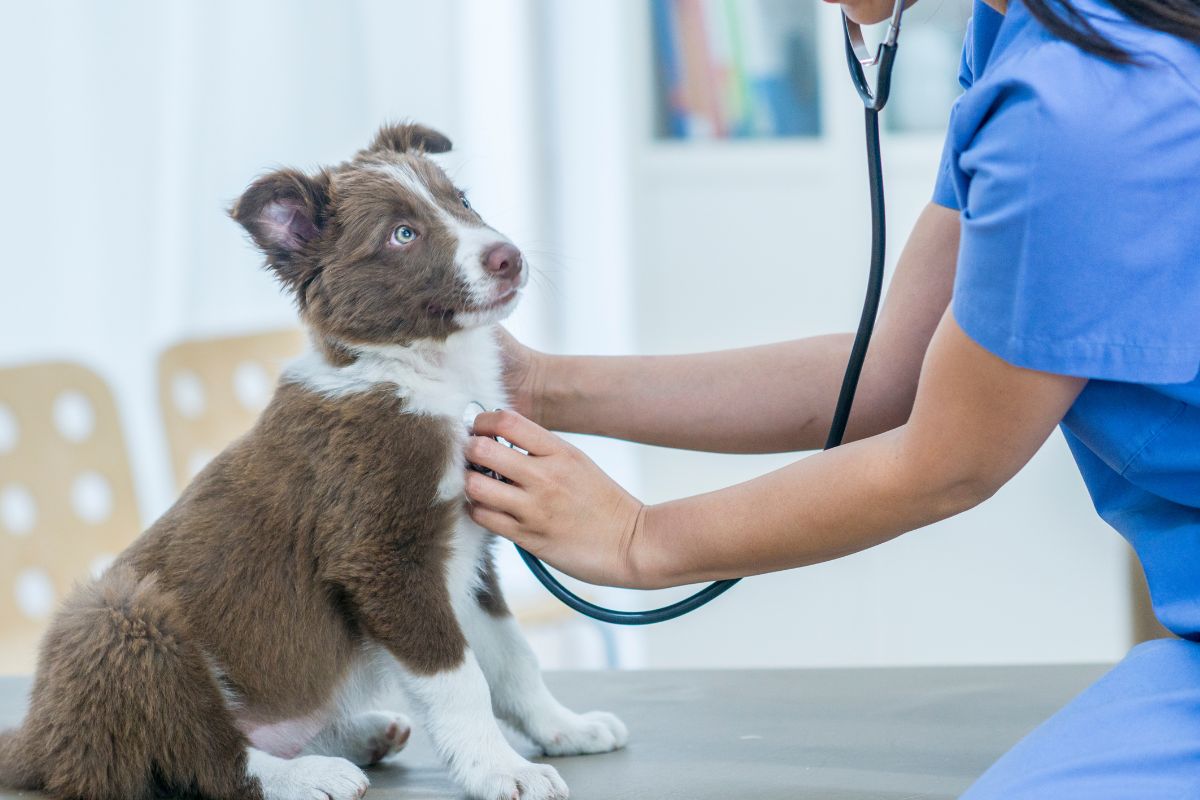
Schedule Your Pet’s Visit Today
For dedicated and professional veterinary care designed to meet your pet's specific needs, please schedule an appointment.