
🐾 Epic Tails Academy (Quarterly Event) • Learn More ›
Subtle Signs Your Senior Pet May Be Hiding Pain or Discomfort

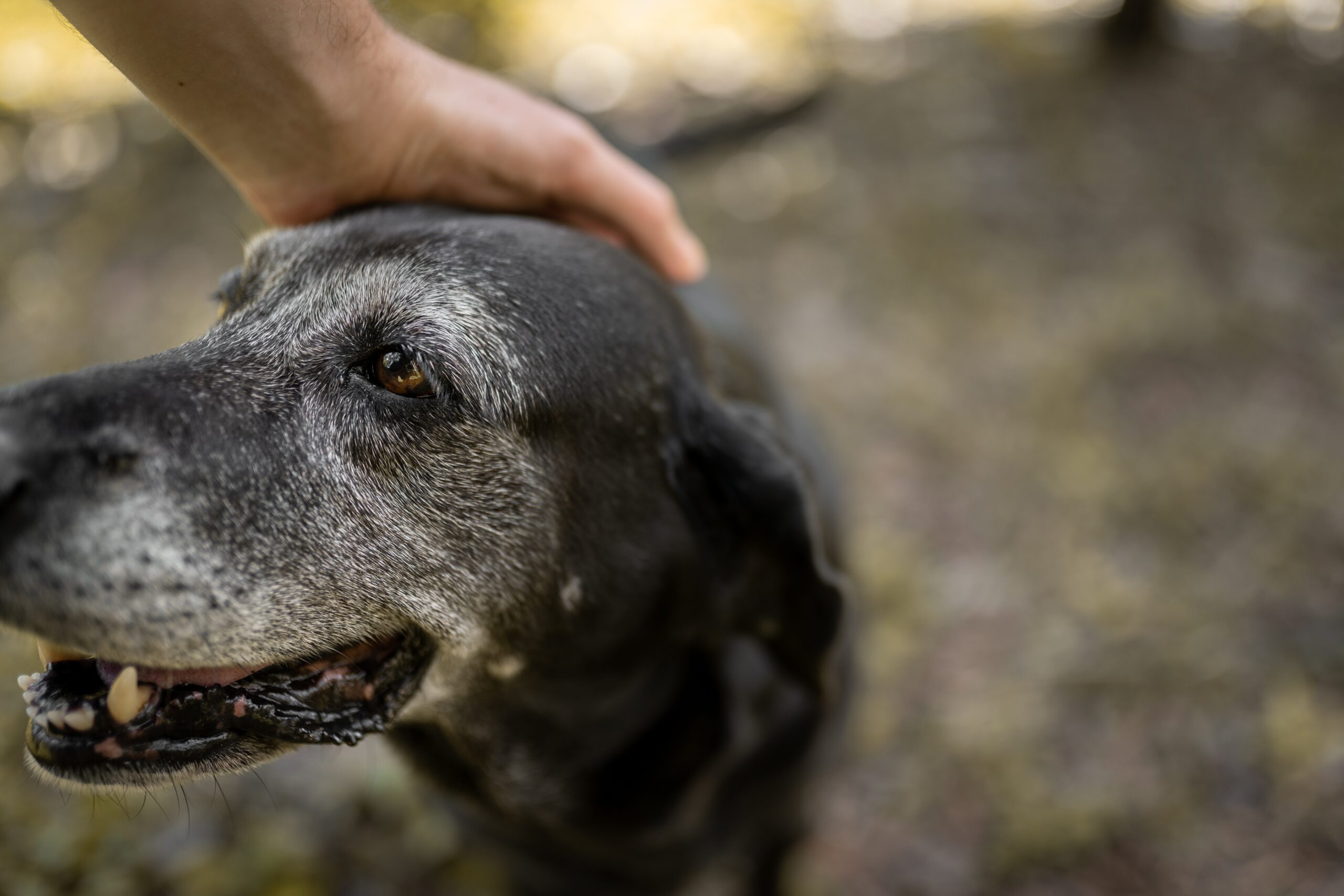
As pets age, they become remarkably skilled at masking pain — an instinct rooted in survival that can make senior pet care especially challenging. If you’re a pet owner in Charlotte, understanding the quiet, easy-to-miss signs of discomfort in older animals is one of the most important steps you can take toward effective pain management for your beloved companion. At Epic Tails Veterinary Clinic, we help families recognize these subtle cues before they become serious health concerns.
Why Senior Pets Hide Pain
In the wild, showing weakness invites danger. Even our domesticated dogs and cats carry this ancient instinct, meaning they will often go to great lengths to appear comfortable — even when they’re not. This stoic nature is especially pronounced in older pets, whose pain tolerance may have built up gradually over years of managing low-grade discomfort.
Senior pets also experience pain differently than younger animals. Conditions like arthritis, dental disease, and organ dysfunction tend to develop slowly, making it easy for both the pet and the owner to normalize the changes. What looks like “just slowing down with age” can actually be a sign that your pet is in significant discomfort.
This is why routine veterinary visits and attentive observation at home are the cornerstones of responsible senior pet care. The earlier pain is identified, the more options are available for effective pain management.
Behavioral Changes to Watch For
Behavioral shifts are often the first clue that something is wrong. A dog who used to greet you at the door with excitement but now barely lifts their head may not simply be tired — they could be in pain. Similarly, a cat who was once affectionate but now avoids being touched may be protecting a sore area of their body.
Changes in sleep patterns are another red flag. Pets in pain often sleep more, struggle to find a comfortable position, or seem restless throughout the night. You might notice your dog circling repeatedly before lying down, or your cat switching positions frequently without ever settling.
Increased irritability or aggression in a normally calm pet is also worth noting. When touched in a sensitive area, even the gentlest animals may growl, hiss, or snap. This is not a personality change — it’s a pain response, and it deserves prompt attention.
Physical Signs That Are Easy to Miss
Beyond behavior, there are physical signs of pain that pet owners often overlook or attribute to normal aging. One of the most common is a change in posture. A dog with back or joint pain may stand with a hunched back or hold one leg slightly off the ground. Cats in pain often sit in a hunched, tight position rather than relaxed and stretched out.
Changes in grooming habits can also indicate discomfort. A cat who stops grooming certain areas of their body may be unable to reach those spots due to joint pain or stiffness. On the flip side, excessive licking or chewing at a specific area can signal localized pain or irritation.
Watch for subtle facial cues as well. Squinting, partially closed eyes, flattened ears, or a tense jaw can all indicate that your senior pet is experiencing pain. These expressions are easy to miss if you’re not specifically looking for them, which is why regular at-home check-ins are such an important part of senior pet care.
Changes in Appetite and Daily Habits
Pain often disrupts the routines pets have maintained for years. A senior dog who suddenly hesitates at the stairs, refuses to jump onto their favorite couch, or avoids the food bowl may be struggling with joint pain, dental discomfort, or an internal condition affecting their comfort.
Reduced appetite is a common sign of pain, particularly when dental disease is involved. Many pet owners assume their senior pet is simply becoming “picky,” when in reality, eating has become painful. Dental pain is one of the most underdiagnosed sources of discomfort in older pets, and it can have a significant impact on overall health and quality of life.
Changes in litter box habits for cats deserve special attention. A senior cat who begins missing the litter box or struggling to get in and out of it may be experiencing joint stiffness or pain significant enough to make that simple movement difficult. This is not a behavioral or training issue — it’s a signal to seek veterinary guidance.
Conclusion: Compassionate Senior Pet Care Starts with Early Recognition
Your senior pet cannot tell you when they are hurting, but their body and behavior are constantly communicating. By learning to read the subtle signs of pain and discomfort, you give your companion the gift of timely relief and a better quality of life. Effective pain management for senior pets in Charlotte begins with awareness — and continues with the support of a veterinary team that truly understands the unique needs of aging animals.
At Epic Tails Veterinary Clinic in Charlotte, our team is dedicated to helping senior pets live comfortably and with dignity in their golden years. Book an appointment for your senior pet’s wellness today and let us partner with you in giving them the pain-free life they deserve.
Frequently Asked Questions
Q1. At what age is my pet considered a senior? Most dogs are considered senior around 7 years of age, though larger breeds may reach this stage earlier. Cats are generally considered senior at around 10–11 years. Your veterinarian can help you determine when to transition to a senior care plan tailored to your pet’s size, breed, and health history.
Q2. How can I tell if my dog is in pain if they’re not limping? Limping is just one sign of pain — and often not the first. Watch for behavioral changes like withdrawal, reduced activity, changes in sleep, or reluctance to be touched. Physical signs such as a hunched posture, tight facial expression, or excessive licking of one area can also indicate pain even without visible lameness.
Q3. What are the most common causes of pain in senior pets? Arthritis and joint disease are among the most common sources of chronic pain in older dogs and cats. Dental disease, cancer, kidney or bladder conditions, spinal issues, and post-surgical discomfort are also frequent contributors. Many of these conditions are highly manageable when caught early through routine senior pet care.
Q4. What pain management options are available for senior pets in Charlotte? Pain management for senior pets has advanced significantly and may include prescription medications, joint supplements, therapeutic laser treatment, acupuncture, weight management, and environmental modifications to reduce physical strain. Your veterinarian will recommend a personalized plan based on your pet’s specific diagnosis and overall health.
Q5. How often should a senior pet visit the vet? Most veterinarians recommend that senior pets be seen every six months rather than annually. More frequent visits allow for earlier detection of age-related conditions and give the care team the opportunity to adjust pain management plans as your pet’s needs evolve over time.

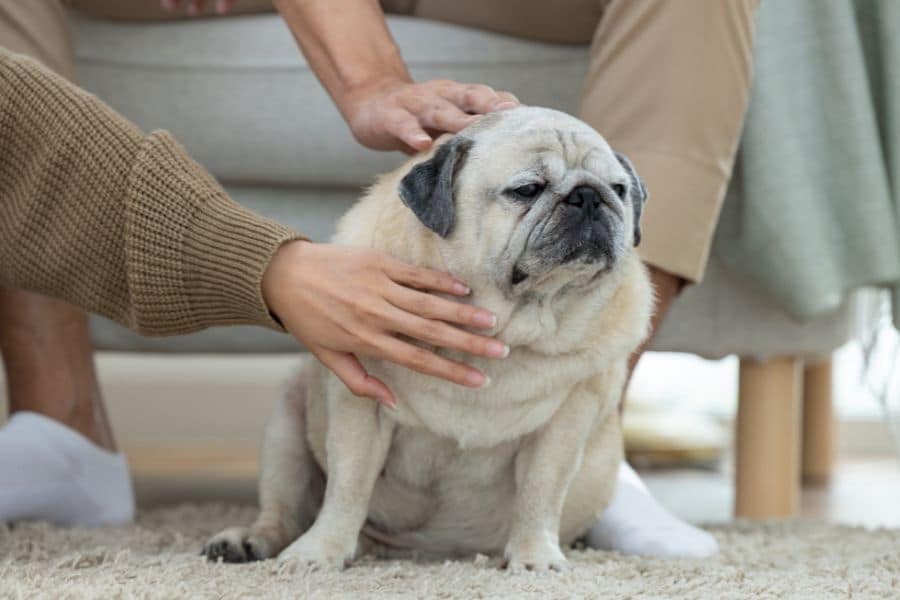

Schedule Your Pet’s Visit Today
For dedicated and professional veterinary care designed to meet your pet's specific needs, please schedule an appointment.