
🐾 Epic Tails Academy (Quarterly Event) • Learn More ›
The Silent Threat: Recognizing and Preventing Dental Disease in Pets

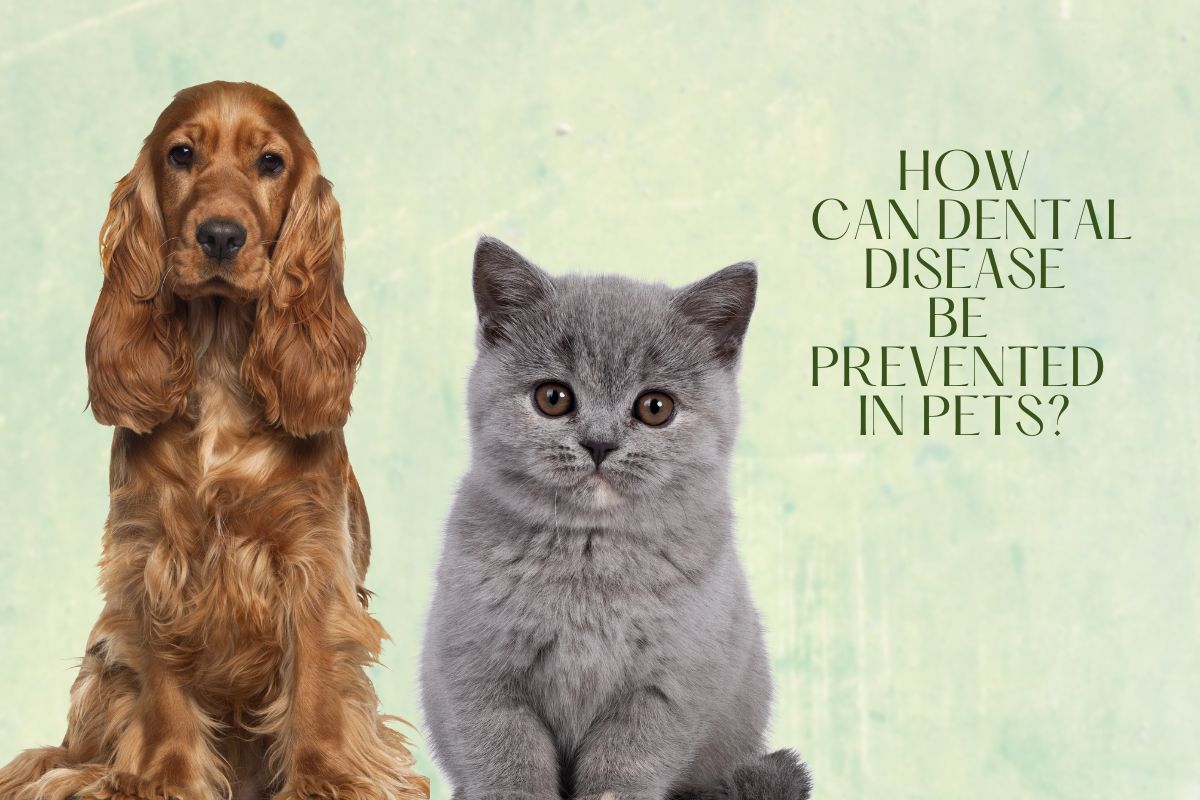
Our furry companions bring so much joy into our lives, from their playful antics to their comforting cuddles. We diligently ensure they have nutritious food, regular exercise, and plenty of love. However, there is a silent threat that often goes unnoticed until it has advanced significantly: dental disease. Just like in humans, poor oral hygiene in pets can lead to a cascade of health problems, impacting their comfort, overall well-being, and even their lifespan. Recognizing the early signs and implementing preventative measures is crucial for ensuring your pet enjoys a healthy and happy life.
Understanding the Enemy: What is Pet Dental Disease?
Pet dental disease, also known as periodontal disease, is a progressive condition that begins with the accumulation of plaque, a sticky film of bacteria that constantly forms on teeth. If left unaddressed, this plaque hardens into tartar, a rough, porous substance that irritates the gums. Over time, this irritation leads to gingivitis, an inflammation of the gums characterized by redness, swelling, and bleeding.
The problem doesn’t stop there. As periodontal disease progresses, it can damage the supporting structures of the teeth, including the ligaments and bone. This can result in loose teeth, pain, infection, and eventually tooth loss. Furthermore, bacteria from the mouth can enter the bloodstream and potentially affect major organs, such as the heart, liver, and kidneys.
The Subtle Signs: Recognizing Dental Problems
One of the reasons dental disease is a silent threat is that pets often don’t show obvious signs of discomfort until the problem is quite severe. However, being vigilant and knowing what to look for can make a significant difference. Some common signs of dental disease in pets include:
- Bad breath (halitosis): This is often one of the first and most noticeable signs.
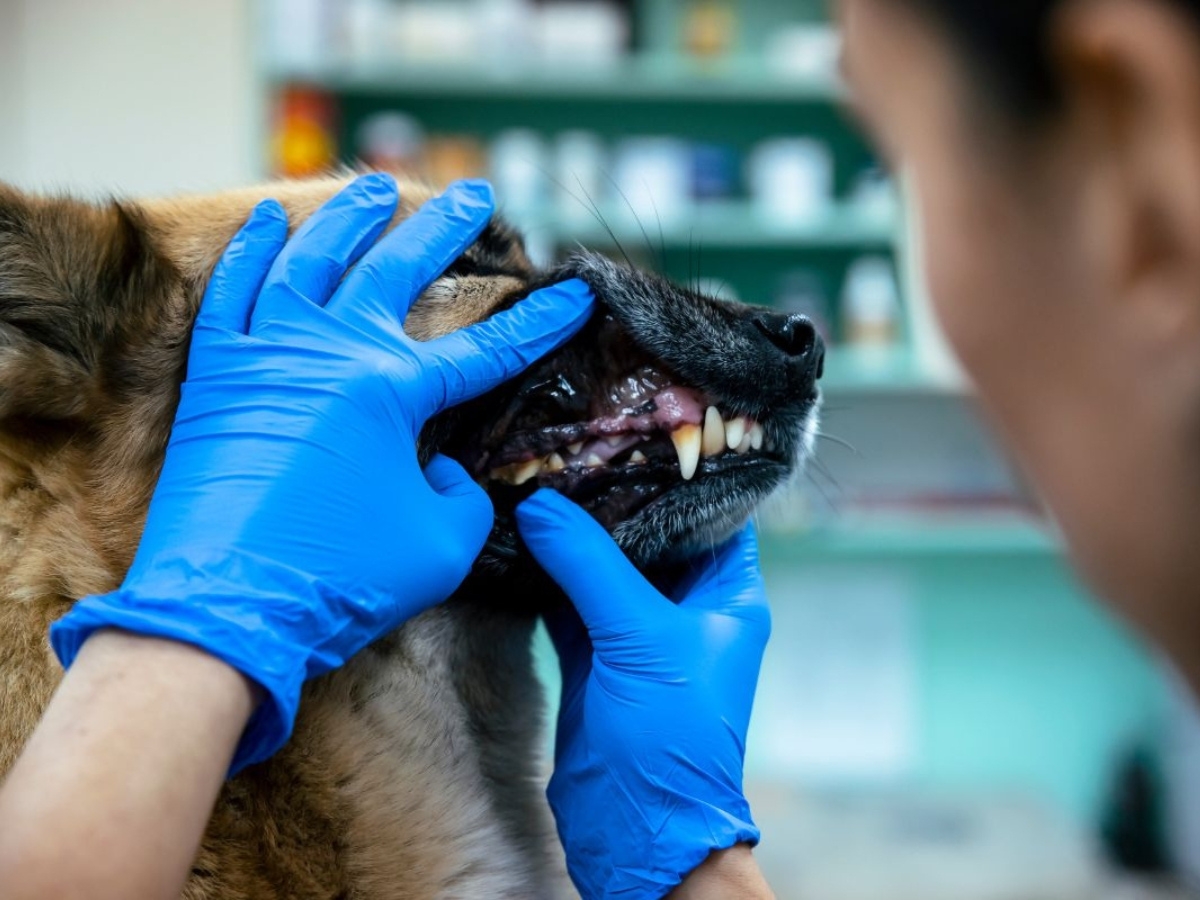
- Yellow or brown tartar buildup on the teeth: This is a clear indication of plaque and mineral accumulation.
- Red, swollen, or bleeding gums are signs of inflammation, commonly known as gingivitis.
- Excessive drooling: This can be a response to pain or infection.
- Difficulty chewing or reluctance to eat hard food: This suggests oral discomfort.
- Pawing at the mouth: This could indicate pain or irritation.
- Changes in eating habits: Favoring soft food or eating more slowly.
- Loose or missing teeth: These are signs of advanced periodontal disease.
- Weight loss: This can occur due to difficulty eating.
- Changes in behavior: Irritability or reluctance to be touched around the mouth.
If you notice any of these signs, it’s crucial to schedule a veterinary dental checkup as soon as possible.
Building a Strong Defense: Prevention is Key
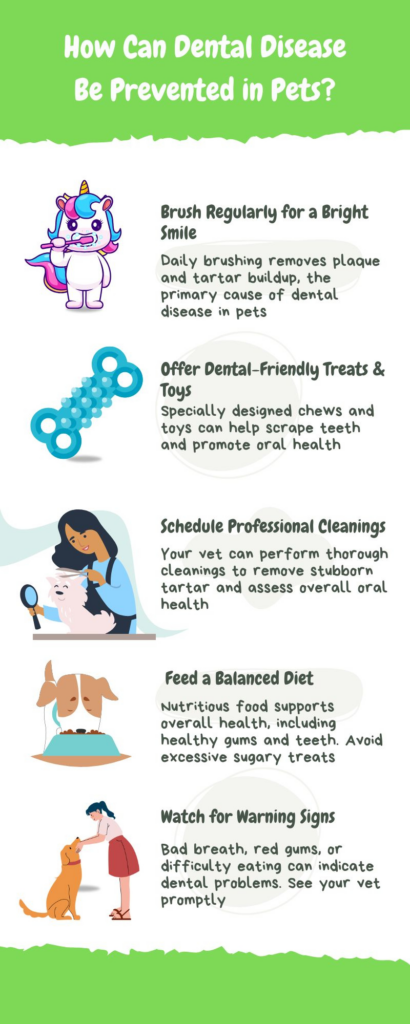
The good news is that dental disease in pets is preventable primarily through consistent effort. Just like our own dental hygiene routine, a multi-faceted approach is most effective:
- Regular tooth brushing is the gold standard for preventing plaque and tartar buildup. Use a pet-specific toothbrush and toothpaste; human toothpaste can be harmful to pets. Aim for daily brushing, but even a few times a week can make a significant difference.
- Dental Treats and Chews: Certain dental treats and chews are designed to help reduce plaque and tartar as your pet chews. Look for Veterinary Oral Health Council (VOHC) approved products.
- Dental Diets: Some specially formulated pet foods can help reduce tartar accumulation. Discuss these options with your veterinarian.
- Professional Dental Cleanings: Just like us, pets benefit from regular professional dental cleanings under anesthesia. Your veterinarian can thoroughly clean above and below the gum line, remove tartar, and assess the overall health of your pet’s mouth. The frequency of these cleanings will depend on your pet’s individual needs.
- Regular Veterinary Checkups: During routine checkups, your veterinarian will examine your pet’s mouth, identifying early signs of dental disease.
A Healthy Smile, A Happier Companion
Taking proactive steps to care for your pet’s teeth isn’t just about preventing bad breath; it’s about safeguarding their overall health and well-being. By understanding the silent threat of dental disease, recognizing its subtle signs, and implementing consistent preventative measures, you’re giving your beloved companion the gift of a healthy mouth and a happier, healthier life. Don’t underestimate the power of a clean bill of dental health – it truly makes a world of difference to your furry friend.

Schedule Your Pet’s Visit Today
For dedicated and professional veterinary care designed to meet your pet's specific needs, please schedule an appointment.