
🐾 Epic Tails Academy (Quarterly Event) • Learn More ›
What Is the 3-3-3 Rule for Kittens? A Guide for New Pet Owners

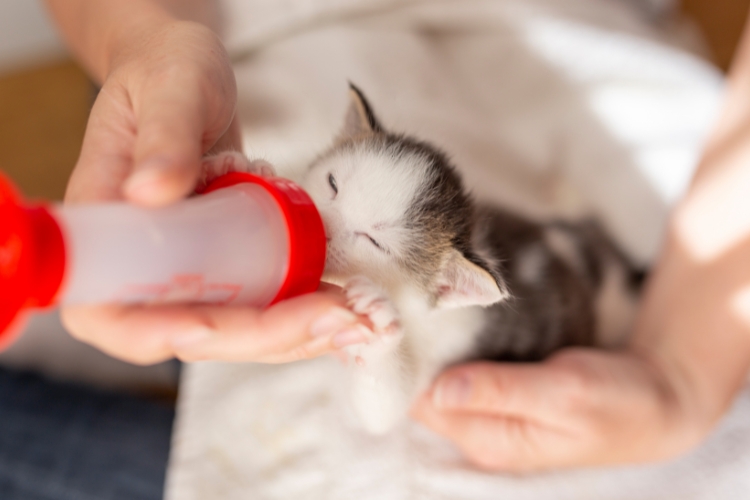
Bringing a kitten into your home is an exciting and rewarding experience, but it also comes with some challenges. One of the most important things new pet owners need to know is how to help their kitten adjust to their new environment. The 3-3-3 rule is a helpful guideline that can ease the transition process, allowing both you and your kitten to feel comfortable and confident in your new life together.
The 3-3-3 rule for kittens refers to the first three days, three weeks, and three months of a kitten’s transition into their new home. It provides a simple way to break down the adjustment process and offers tips for owners on how to help their kittens through each phase. In this blog, we will explain the 3-3-3 rule for kittens and share practical tips to ensure your kitten’s adjustment is as smooth as possible.
This blog is especially for new kitten owners in Charlotte, NC, who want to understand the 3-3-3 rule and how to provide the best kitten care during their kitten’s transition period.
1. The First 3 Days: Settling In
The first three days after bringing your kitten home are crucial. During this period, your kitten may feel overwhelmed and scared, so it’s important to create a calm, safe, and quiet environment to help them adjust. Kittens are naturally curious, but they can also be nervous, especially in a new and unfamiliar setting. Understanding their needs during this initial period will help them settle in and begin forming bonds with you.
Key Tips for the First 3 Days:
- Provide a Quiet Space: Set up a small, quiet room where your kitten can feel safe and secure. This space should include a soft bed, a litter box, food and water bowls, and a few toys. This area will allow your kitten to adjust at their own pace without feeling overwhelmed by too much noise or activity.
- Give Them Time to Explore: While it’s important to give your kitten space during the first three days, allow them to explore their environment gradually. Don’t force them to interact with you or other pets until they feel comfortable.
- Introduce Yourself Gently: Spend time sitting with your kitten, speaking softly, and allowing them to approach you at their own pace. Avoid sudden movements or loud noises that might scare them. Over time, they will begin to feel more comfortable around you and your family members.
- Provide Consistent Feeding and Litter Habits: Stick to a feeding schedule to help your kitten feel more secure. Also, place the litter box in a quiet, accessible spot, and show your kitten where it is, as they may not know where to go at first.
During the first three days, the goal is to help your kitten feel safe and allow them to adjust at their own pace. Patience is key during this period.
2. The First 3 Weeks: Building Trust and Confidence
Once the initial shock of the first few days has passed, the next stage of the 3-3-3 rule involves helping your kitten build trust and confidence. Over the next three weeks, your kitten will begin to feel more at ease in their new home and start interacting with you and their environment more actively.
Key Tips for the First 3 Weeks:
- Gradually Introduce New Experiences: While your kitten is becoming more comfortable with their new surroundings, gradually introduce them to other areas of your home. Allow them to explore different rooms, but be sure to keep the experience low-pressure and safe.
- Begin Socializing with Other Pets: If you have other pets, it’s important to introduce them slowly. The first few weeks are crucial for kitten socialization, so introducing them to other pets, starting with short, supervised interactions, will help prevent fear or aggression later on.
- Start Handling and Training: Begin handling your kitten gently, picking them up and petting them regularly. This will help them get used to human touch. You can also start basic training, such as teaching them how to use a litter box or rewarding them for positive behavior.
- Veterinary Check-up: Schedule a veterinary visit during the first three weeks to ensure your kitten is healthy and up to date on vaccinations. Your veterinarian will also check for any parasites or other issues that might need attention.
During these three weeks, your kitten’s socialization and confidence will improve. They will start to recognize you as their primary caregiver, and their trust in you will grow.
3. The First 3 Months: Fully Adjusted and Socialized
The first three months of your kitten’s life are essential for their emotional and behavioral development. During this period, your kitten will go through major changes and become more accustomed to their new home. By the end of this phase, your kitten should be fully adjusted to their new environment and socialized with both humans and other pets.
Key Tips for the First 3 Months:
- Consistent Routine: Kittens thrive on routine, so keeping a consistent schedule for feeding, playtime, and sleep will help them feel secure. This consistency helps them form positive associations with their environment.
- Introduce New People and Experiences: The third phase of the 3-3-3 rule is an excellent time to expose your kitten to new people and experiences. Invite friends over and allow your kitten to get used to different types of interactions. This exposure helps them develop good social skills and reduces the likelihood of anxiety or aggression later on.
- Increase Playtime and Stimulation: Kittens are naturally playful and curious, and during the first three months, it’s important to provide plenty of stimulation. Offer a variety of toys, climbing structures, and scratching posts to engage your kitten and encourage healthy play behavior.
- Monitor Health and Growth: Continue to monitor your kitten’s health, growth, and weight. Schedule regular veterinary check-ups to ensure your kitten is growing and developing properly. During this time, your kitten will also need to receive vaccinations and parasite control.
By the end of the first three months, your kitten will have settled into their new life and will likely be comfortable and confident in their home. Their bond with you will be strong, and they will have the social skills they need to interact with both people and other pets.
4. Why the 3-3-3 Rule Works for Kittens
The 3-3-3 rule is an effective guide for helping kittens adjust to a new home because it breaks down the transition into manageable phases. Each phase focuses on specific aspects of a kitten’s adjustment process:
- The First 3 Days: Giving your kitten time and space to adjust to their new surroundings.
- The First 3 Weeks: Gradually building trust and confidence through socialization and training.
- The First 3 Months: Allowing your kitten to fully integrate into their new home and socialize with people and pets.
By following this structure, you ensure that your kitten’s emotional and physical needs are met during each crucial stage of development.
The 3-3-3 rule for kittens provides a simple, effective approach to helping your new kitten settle into their home. By taking things one step at a time, you can ensure that your kitten feels safe, confident, and comfortable. With the right kitten care, your furry friend will grow into a well-adjusted and happy adult cat.
If you’re in Charlotte and looking for kitten care near you, schedule an appointment with Epic Tails Veterinary Clinic. Our veterinary team is here to help ensure your kitten’s health and well-being during their important early months. Contact us today to learn more about how we can support your kitten’s journey.
FAQs
Q1. How long does it take for a kitten to adjust to a new home?
Ans. It can take up to three months for a kitten to fully adjust to their new home. Following the 3-3-3 rule can help them transition smoothly.
Q2. What is the 3-3-3 rule for kittens?
Ans. The 3-3-3 rule refers to the first three days, three weeks, and three months of a kitten’s adjustment to a new home. Each phase focuses on a different aspect of their socialization and comfort.
Q3. When should I start socializing my kitten?
Ans. Start socializing your kitten as soon as you bring them home, ideally within the first three weeks. Expose them to new people, pets, and experiences gradually.
Q4. How do I know if my kitten is comfortable in their new home?
Ans. Signs that your kitten is comfortable include playing, eating, and exploring their environment. They may also start seeking attention from you and other family members.
Q5. How often should I take my kitten to the vet?
Ans. Kittens should see a veterinarian for their first check-up within a few days of arriving at your home. After that, regular check-ups are essential for vaccinations and overall health monitoring.
Q6. What should I do if my kitten seems scared or anxious?
Ans. If your kitten seems scared or anxious, provide them with a quiet, safe space, and give them time to adjust. Gradually introduce them to new experiences, people, and pets to build their confidence.



Schedule Your Pet’s Visit Today
For dedicated and professional veterinary care designed to meet your pet's specific needs, please schedule an appointment.