
🐾 Epic Tails Academy (Quarterly Event) • Learn More ›
Pet Dental Care: Cleaning Schedule Guide


Maintaining your pet’s oral health is crucial for their overall well-being. Like humans, pets can develop dental problems like plaque buildup, gum disease, and tooth decay. Regular dental cleanings are essential in preventing these issues and ensuring your furry friend enjoys a healthy and happy life. But how often should you schedule these cleanings? Let’s delve into the specifics.
How Often Should I Take My Pet for Dental Cleanings?

1. Understanding the Importance of Dental Cleanings:
Dental cleanings remove plaque and tartar buildup, which can lead to gingivitis and periodontal disease. These conditions can cause pain, tooth loss, and even systemic health problems like heart and kidney disease. Regular cleanings allow your veterinarian to identify and address any underlying dental issues early on.
2. Factors Influencing Cleaning Frequency:
The frequency of dental cleanings depends on several factors, including your pet’s age, breed, size, and overall health. Smaller breeds and older pets are often more prone to dental problems and may require more frequent cleanings. Your pet’s diet and at-home dental care routine also play a significant role.
3. General Guidelines for Dental Cleanings:
Most veterinarians recommend annual dental cleanings for adult dogs and cats. However, this can vary based on individual needs. Younger pets may require less frequent cleanings, while seniors or those with existing dental issues may often need cleanings every six months or more.
4. Recognizing Signs of Dental Problems:
Be vigilant for signs of dental problems in your pet, such as bad breath, discolored teeth, bleeding gums, difficulty chewing, or excessive drooling. If you notice these symptoms, immediately schedule a dental cleaning and examination with your veterinarian.
5. At-Home Dental Care:
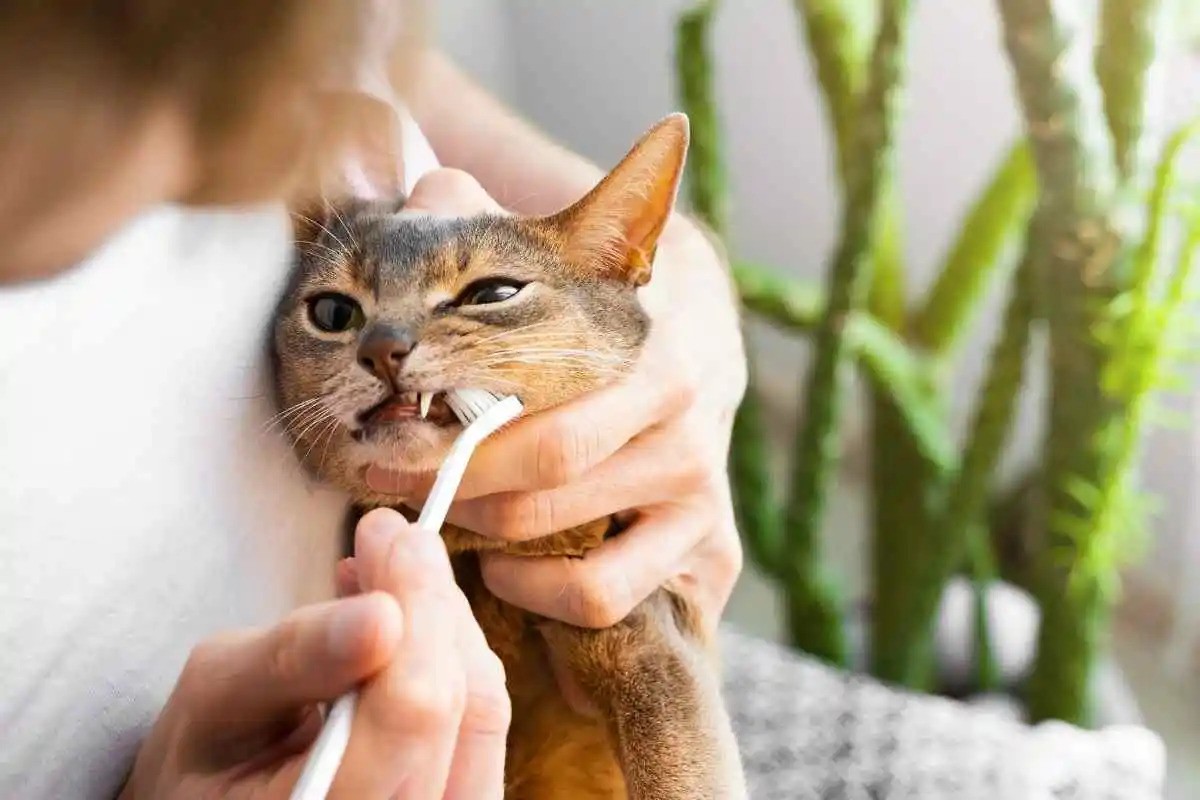
In addition to professional cleanings, at-home dental care is essential for maintaining your pet’s oral health. Brushing your pet’s teeth daily or at least several times a week can significantly reduce plaque buildup. Use pet-specific toothpaste and a soft-bristled toothbrush. Dental chews and toys can also help clean your pet’s teeth.
6. Veterinary Dental Examinations:
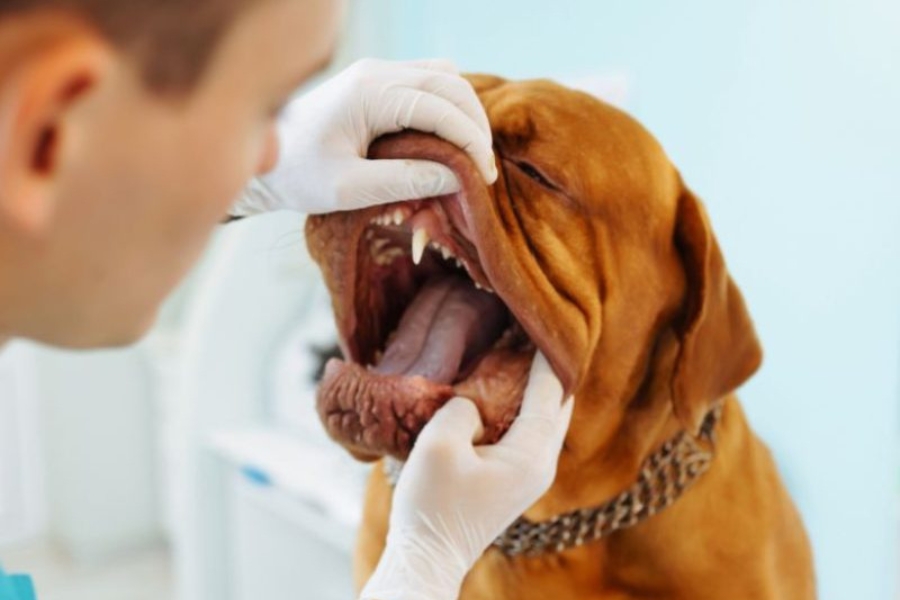
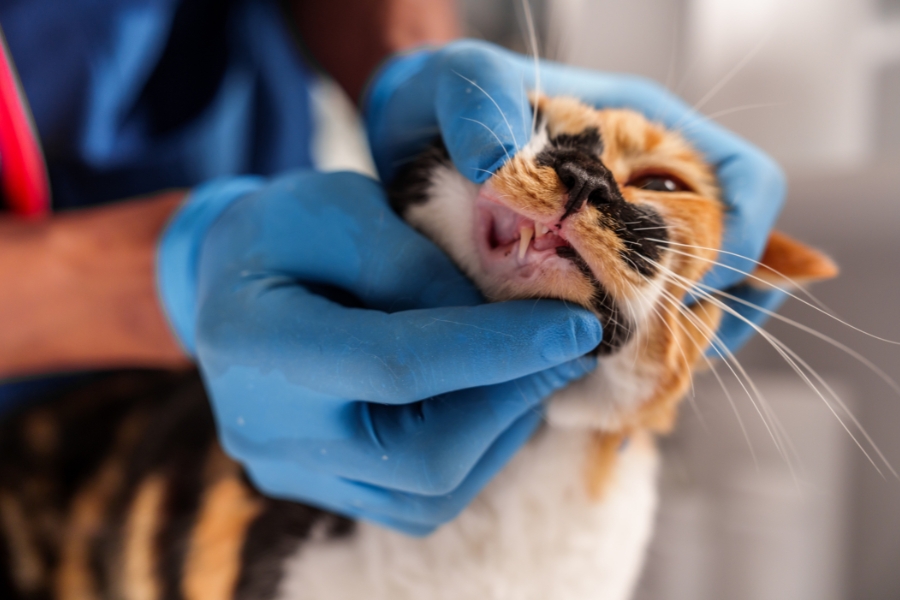
Regular veterinary checkups should include a dental examination. Your veterinarian will assess your pet’s oral health and recommend a cleaning schedule based on their needs. Don’t hesitate to ask your veterinarian questions about your pet’s dental care.
7. Professional Cleaning Procedures:
Professional dental cleanings involve scaling and polishing the teeth under anesthesia. This allows for a thorough cleaning and examination, including below the gum line. Your veterinarian may also perform X-rays to assess the health of the teeth and jawbone.
8. Following Your Veterinarian’s Recommendations:
Adhere to your veterinarian’s recommended cleaning schedule. They are the best resource for determining the frequency of cleanings based on your pet’s needs.
Your pet’s dental health is a vital component of its overall well-being. You’re investing in their long-term health and happiness by prioritizing regular dental cleanings and maintaining a consistent at-home care routine. Remember, a healthy mouth means a happier, more comfortable life for your furry companion. Your dedication to their dental care shows your love and commitment, ensuring they can enjoy every moment with you, pain-free and with a bright, healthy smile.
Schedule Your Pet’s Visit Today
For dedicated and professional veterinary care designed to meet your pet's specific needs, please schedule an appointment.