
🐾 Epic Tails Academy (Quarterly Event) • Learn More ›
What Is the Best Way to Take Care of a Cat’s Teeth?

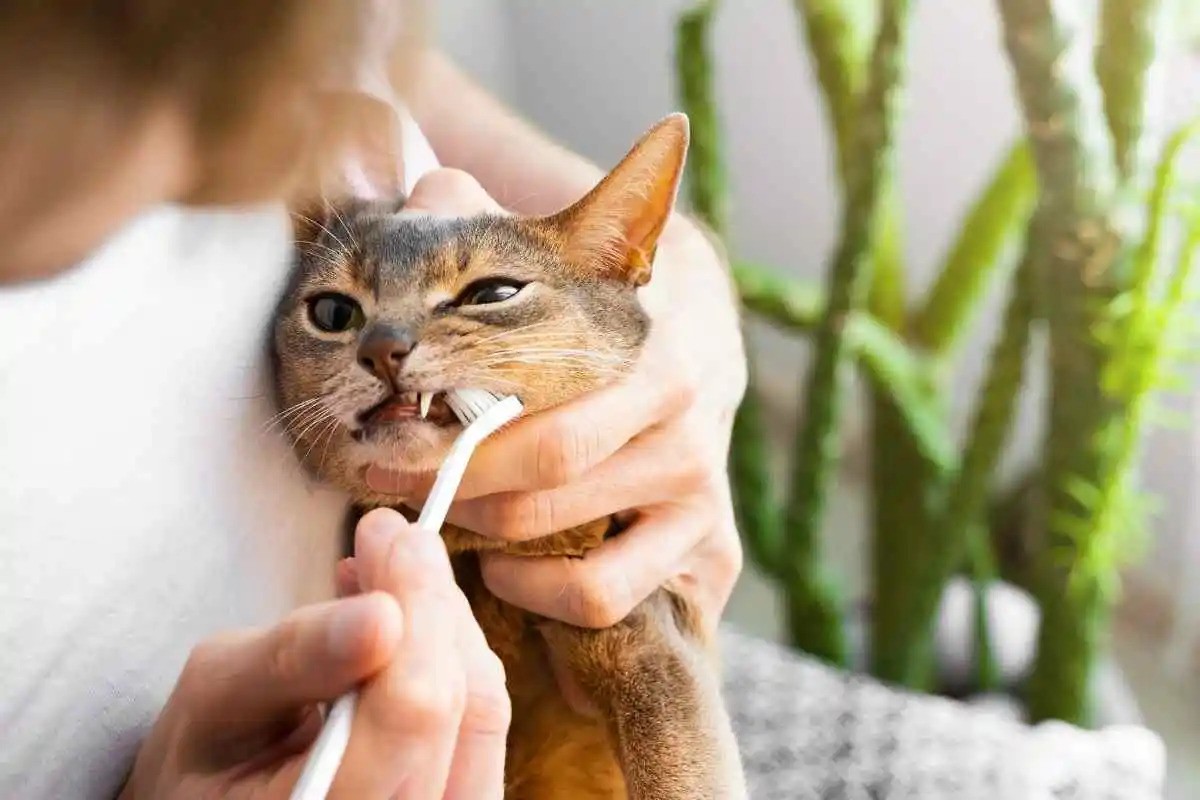
Taking care of your cat’s teeth is one of the most important aspects of pet health that often goes overlooked. Just like humans, cats need proper dental care to prevent pain, infection, and other serious health issues. Unfortunately, dental problems in cats are common and can lead to difficulties eating, bad breath, and even systemic health problems if left untreated. Therefore, understanding the best way to maintain your feline friend’s dental hygiene is essential for their overall well-being.
Why Is Cat Dental Care Important?
First and foremost, healthy teeth allow your cat to chew properly and enjoy their food. Beyond this, dental diseases can cause infections that spread throughout the body, affecting organs such as the heart and kidneys. Therefore, regular dental care helps prevent plaque buildup, gum disease, and tooth loss.
Additionally, cats are masters at hiding pain. Without visible signs, you might miss early dental issues, which can escalate quickly. Recognizing this, proactive dental care is crucial.
Signs Your Cat May Need Dental Attention
Before diving into care tips, it’s important to know when to seek veterinary advice. Some common signs of dental issues include:
- Bad breath (halitosis)
- Drooling or difficulty eating
- Pawing at the mouth or face
- Red or swollen gums
- Loose or missing teeth
- Bleeding gums
If you notice any of these symptoms, promptly consult your veterinarian.
The Best Ways to Take Care of Your Cat’s Teeth
1. Start with Regular Vet Check-ups
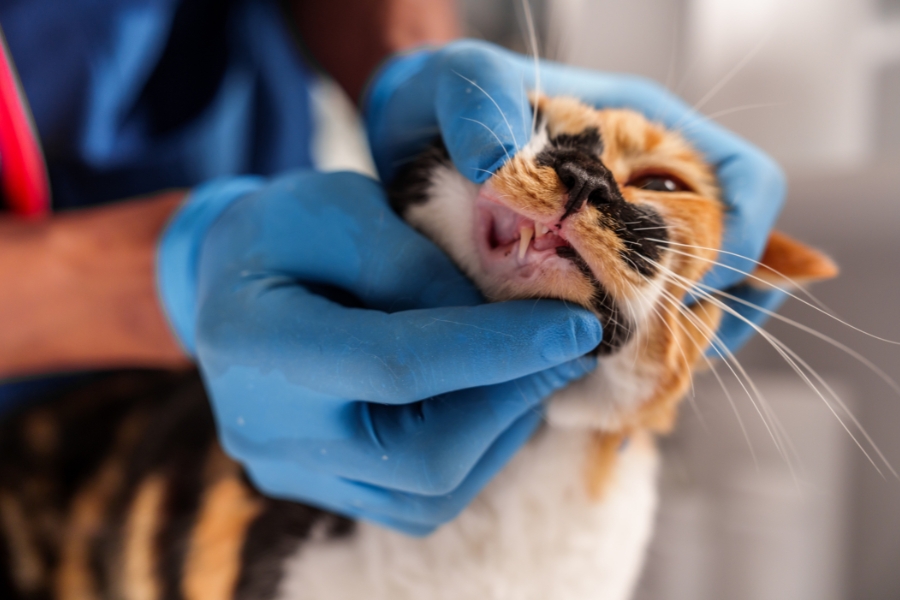
Regular veterinary visits are the cornerstone of maintaining your cat’s dental health. A vet can perform professional cleanings under anesthesia, examine the teeth for problems, and recommend treatments if needed. Since cats rarely allow a thorough dental examination at home, professional assessment is invaluable.
2. Brush Your Cat’s Teeth Daily
Although it might sound challenging, brushing your cat’s teeth is the most effective way to reduce plaque and tartar buildup. Start slowly by introducing your cat to the toothbrush and toothpaste designed specifically for cats. Never use human toothpaste, as it contains ingredients toxic to pets.
To begin, use a finger brush or a soft toothbrush and gently brush a few teeth at a time. With patience and consistency, most cats become accustomed to daily brushing.
3. Use Dental Treats and Chew Toys
Dental treats and chew toys designed for cats can help reduce plaque and freshen breath. These products encourage chewing, which mechanically cleans the teeth. While they are not a substitute for brushing, they serve as excellent supplements to a dental care routine.
4. Incorporate Dental Diets
Certain cat foods are formulated to promote dental health. These dental diets usually have a texture that helps clean the teeth as the cat chews. Some also contain additives that help reduce tartar buildup. Consult your vet to determine if a dental diet suits your cat.
5. Monitor and Manage Oral Health
Keep an eye on your cat’s mouth for any signs of trouble. If you notice any changes in eating habits, bad breath, or visible gum issues, don’t hesitate to reach out to your vet. Early intervention can prevent complicated and costly treatments.
6. Avoid Harmful Chewing Objects
Cats sometimes chew on hard objects like bones or plastic, which can damage their teeth. Make sure to provide safe, vet-approved chew toys and discourage chewing on items that can harm their dental health.
Ultimately, the best way to care for your cat’s teeth involves a combination of daily brushing, dental treats, professional cleanings, and close observation. Prevention is far easier—and more affordable—than treatment.
If you’re looking for expert cat dental care in Charlotte, NC, trust the compassionate team at Epic Tails Veterinary Clinic. We offer comprehensive dental exams, cleanings, and personalized care plans to keep your feline’s mouth in top shape. Book an appointment today to give your cat the healthy smile they deserve.
Frequently Asked Questions
Q1. How often should I brush my cat’s teeth?
Ans. Ideally, you should brush your cat’s teeth daily. However, brushing at least three times a week can still make a significant difference.
Q2. Can I use human toothpaste for my cat?
Ans. No. Human toothpaste contains ingredients like fluoride and xylitol that are toxic to cats. Always use toothpaste made specifically for pets.
Q3. Are dental treats effective for cats?
Ans. Yes, dental treats approved by the Veterinary Oral Health Council (VOHC) can help reduce plaque and tartar, though they should not replace brushing.
Q4. Is anesthesia safe for cat dental cleanings?
Ans. Yes, when done under professional supervision, dental cleanings with anesthesia are safe and necessary for thorough cleaning below the gumline.
Q5. What are the signs of dental problems in cats?
Ans. Bad breath, drooling, difficulty eating, and red gums are all signs that your cat may be experiencing dental issues.
Q6. How often should my cat get a professional dental cleaning?
Ans. Most cats benefit from a professional dental cleaning once a year. Your vet may recommend more frequent cleanings based on your cat’s individual needs.

Schedule Your Pet’s Visit Today
For dedicated and professional veterinary care designed to meet your pet's specific needs, please schedule an appointment.