
🐾 Epic Tails Academy (Quarterly Event) • Learn More ›
Seasonal Pet Health Concerns in Charlotte: When You Might Need Diagnostic Testing


As the seasons change in Charlotte, NC, so do the health needs of our furry family members. Each time of year brings new challenges affecting your pet’s well-being, from spring allergies to winter aches and pains. Knowing how to spot signs of seasonal illness and understanding when to seek Pet Diagnostic Care in Charlotte can make all the difference in keeping your pet healthy and happy year-round.
Spring: Allergies and Skin Irritations
Springtime in Charlotte brings blooming flowers, longer walks, and, unfortunately, a rise in allergies for both people and pets. Many pets suffer from environmental allergens like pollen, grass, and mold. If your dog or cat is constantly scratching, sneezing, or has watery eyes, these could be signs of seasonal allergies.
Sometimes, what looks like a simple allergy could be a more serious skin infection or underlying immune issue. That’s when diagnostic testing becomes essential. A Charlotte vet can perform skin scrapings, allergy tests, or blood panels to pinpoint the cause and recommend the right treatment.
Summer: Heat-Related Illnesses and Parasites
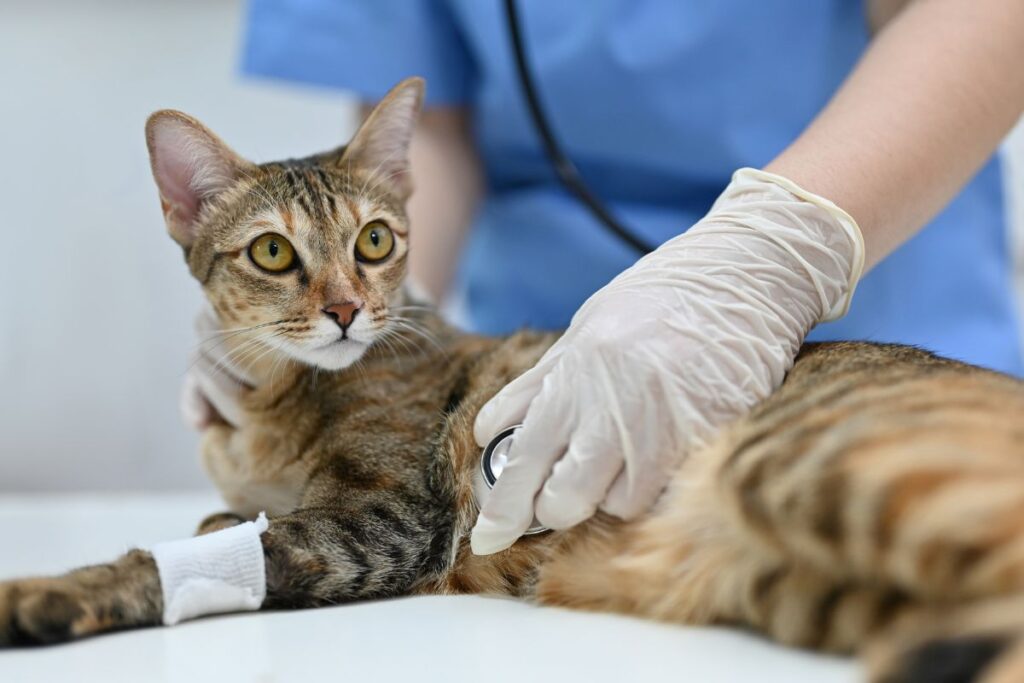
Summer in Charlotte can be hot and humid, which poses unique health risks for pets. Heatstroke, dehydration, and sunburn are common during these warmer months, especially in older pets, flat-faced breeds, or those with thick coats. Increased outdoor activity also raises the chances of flea, tick, and heartworm exposure.
If your pet is lethargic, vomiting, or shows signs of distress after being outside, don’t brush it off. Diagnostic tests such as blood work and urinalysis help veterinarians evaluate hydration levels and organ function. A visit to an animal clinic in Charlotte during business hours can ensure timely intervention without risking your pet’s health.
Fall: Digestive Upsets and Toxin Exposure
Autumn brings cooler weather, falling leaves—and new hazards. Pets may ingest mushrooms, acorns, or spoiled food during walks, which can lead to gastrointestinal issues. Symptoms such as vomiting, diarrhea, or sudden loss of appetite could indicate more than just a temporary upset.
Charlotte vets often recommend fecal exams, abdominal x-rays, or lab work to rule out poisoning or obstructions. It’s better to act quickly than to wait and see, as delays can complicate treatment and recovery.
Winter: Joint Pain and Seasonal Affective Changes
Colder weather can trigger arthritis and joint pain in older pets. You might notice your dog is slower to get up or reluctant to climb stairs. While this could simply be due to age, it might also point to degenerative joint disease or other mobility issues that warrant deeper investigation.
Pet Diagnostic Care in Charlotte during winter often involves orthopedic exams, x-rays, or even advanced imaging to assess bone and joint health. With the right diagnosis, your vet can create a pain management plan tailored to your pet’s needs.
When to Consider Diagnostic Testing
Seasonal shifts can make it harder to tell if a symptom is temporary or something more serious. If your pet experiences persistent changes in appetite, behavior, energy, or bathroom habits, it’s time to consult a professional. A trusted Charlotte vet can help you decide whether your pet needs diagnostic testing to get to the root of the issue.
While it may be tempting to search online for an “animal hospital near me” in a moment of concern, it’s important to note that not all veterinary clinics offer emergency care. At Epic Tails, services are provided during business hours only, so scheduling an appointment is the best course of action for non-urgent but important health concerns.
Patient-Focused Conclusion
Your pet is a beloved family member whose health deserves the same attention as yours. By staying alert to seasonal changes and seeking help when symptoms arise, you give your pet the best chance at a long and healthy life. The caring professionals at your local animal clinic in Charlotte are here to guide you through the process with compassionate, comprehensive care. If you’re noticing anything unusual with your pet, don’t wait—diagnostic testing can provide peace of mind and help your furry friend feel better, faster.


Schedule Your Pet’s Visit Today
For dedicated and professional veterinary care designed to meet your pet's specific needs, please schedule an appointment.