
🐾 Epic Tails Academy (Quarterly Event) • Learn More ›
The Importance of Dental Care for Your Pet: What Every Owner Should Know

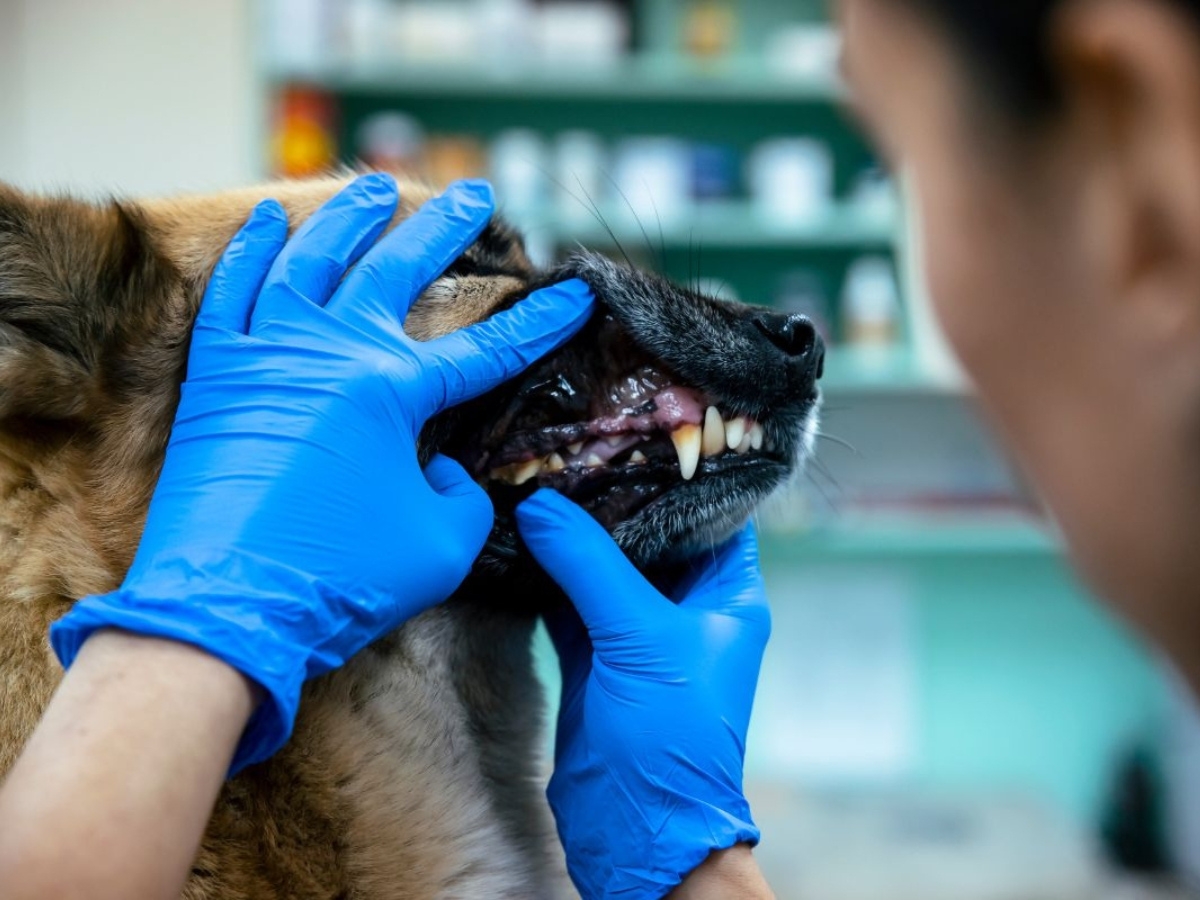
Every pet owner wants their furry companion to live a long, happy, and healthy life. And yet, we often overlook a vital component of animal wellness: dental care. Healthy teeth don’t just make your pet’s mouth look clean—they support digestion, comfort, and even longevity. Consequently, understanding dental care basics can transform your pet’s quality of life. In this post, you’ll discover why pet dental care matters, how to practice it, and what to watch for.
Why Pet Dental Health Matters
First and foremost, dental disease is one of the most common health issues in pets. Both dogs and cats can develop plaque, tartar, gingivitis, and periodontal disease. Without intervention, these conditions lead to pain, infection, tooth loss, and even systemic problems like heart or kidney disease.
Moreover, dental problems impair your pet’s ability to eat comfortably. If they avoid chewing or take longer to eat, they may avoid nutritious food altogether. That ultimately compromises their overall health.
Additionally, addressing dental issues early saves you money. Preventive dental care costs far less than treating advanced periodontal disease or surgery.
Common Dental Issues in Pets
- Plaque & Tartar Buildup – Food particles accumulate and harden if not removed promptly.
- Gingivitis – Inflammation of the gums often accompanies plaque buildup.
- Periodontal Disease – It reaches the structures supporting the teeth, causing bone loss.
- Broken or Fractured Teeth – Chewing hard objects or trauma can lead to cracks, exposing pulp and causing pain or infection.
- Oral Tumors – Though rarer, masses in the mouth require prompt veterinary attention.
Recognizing these issues early ensures prompt treatment and better outcomes.
Signs Your Pet Needs Dental Attention
- Bad breath (halitosis) that doesn’t go away with treatment.
- Red, swollen, or bleeding gums indicate inflammation.
- Reluctance to chew, dropping food, or favoring one side.
- Excessive drooling, sometimes with blood.
- Loose or missing teeth that you or your vet may spot.
- Behavior changes, such as irritability or decreased activity, and pain can manifest subtly.
When you see any of these signs, schedule a vet visit immediately.
Daily Dental Care: Step‑by‑Step
- Brush Your Pet’s Teeth Daily
Use specially formulated pet toothpaste and a gentle pet toothbrush. Start slowly—introduce your pet to the taste. Then gently lift their lip and brush in circular motions. Transitioning gradually helps them accept this routine. - Offer Dental Treats and Chews
Veterinarians approve many products that reduce plaque and freshen breath. However, you must choose vet‑recommended, anatomically safe treats. Supervise chewing—even safe treats can pose choking hazards. - Use Oral Rinses or Water Additives
These products help control bacteria between brushings. Always follow directions and confirm pet safety. - Incorporate Dental Toys
Chew-friendly toys not only entertain but also help clean teeth when your pet gnaws. Again, pick vet-recommended materials to avoid broken teeth or ingestion risks.
Professional Dental Cleanings: What to Expect
Even with excellent home care, your pet needs a professional dental cleaning periodically. Under anesthesia, the vet will:
- Remove plaque and tartar both above and below the gum line.
- Examine each tooth carefully.
- Perform necessary X‑rays to detect hidden issues.
- Extract irreparably damaged teeth, if needed.
- Polish teeth and possibly apply protective sealants.
Afterward, your pet may need to rest and eat softer foods for a day or two. Your vet will guide you on post-procedure care, including pain relief and diet.
Long-Term Benefits of Pet Dental Care
- Less pain and discomfort, allowing your pet to enjoy every meal.
- Lower vet expenses, since prevention costs less than treating advanced disease.
- Better overall health, as oral bacteria can harm internal organs if left unchecked.
- Improved lifespan and life quality, ensuring happy years together.
Ultimately, investing a little time in your pet’s dental care delivers huge dividends in comfort, health, and happiness. You’ll feel confident knowing you’re preventing suffering and costly treatments down the road.
By prioritizing your pet’s dental care, you foster their comfort, health, and quality of life. With daily brushing, smart treats, and regular vet cleanings, you help protect them from pain, disease, and expensive treatments. Specifically, if you reside in the Charlotte, NC area, consider trusted options for pet dentistry in Charlotte, NC, to keep your furry friend’s smile bright and healthy.
FAQs
Q1. How often should I brush my pet’s teeth?
Ans. Ideally, you should brush your pet’s teeth daily. If that’s not feasible, aim for at least 3–4 times per week, but daily brushing yields the best plaque control.
Q2. Can I use human toothpaste on my pet?
Ans. No. Human toothpaste often contains fluoride or xylitol, which are toxic to pets. Always use pet‑specific toothpaste labeled safe for dogs or cats.
Q3. Are dental chews enough to keep my pet’s teeth clean?
Ans. Dental chews can help—but they don’t replace brushing or professional cleanings. Use them in addition to, not instead of, a regular dental care plan.
Q4. How often should my pet get a professional dental cleaning?
Ans. Most pets benefit from a cleaning once a year, but some may need one every 6 months, depending on their oral health. Your veterinarian will recommend an appropriate schedule.
Q5. Is anesthesia safe for dental cleanings?
Ans. Yes—modern veterinary anesthesia is quite safe. Vets run pre‑procedure bloodwork and monitor vital signs carefully. The benefits of a thorough dental exam and cleaning usually outweigh the risks.
Q6. What can happen if I ignore my pet’s dental issues?
Ans. Ignored dental problems can lead to pain, infection, tooth loss, and even organ damage. Plus, they may lead to more costly treatments later on.

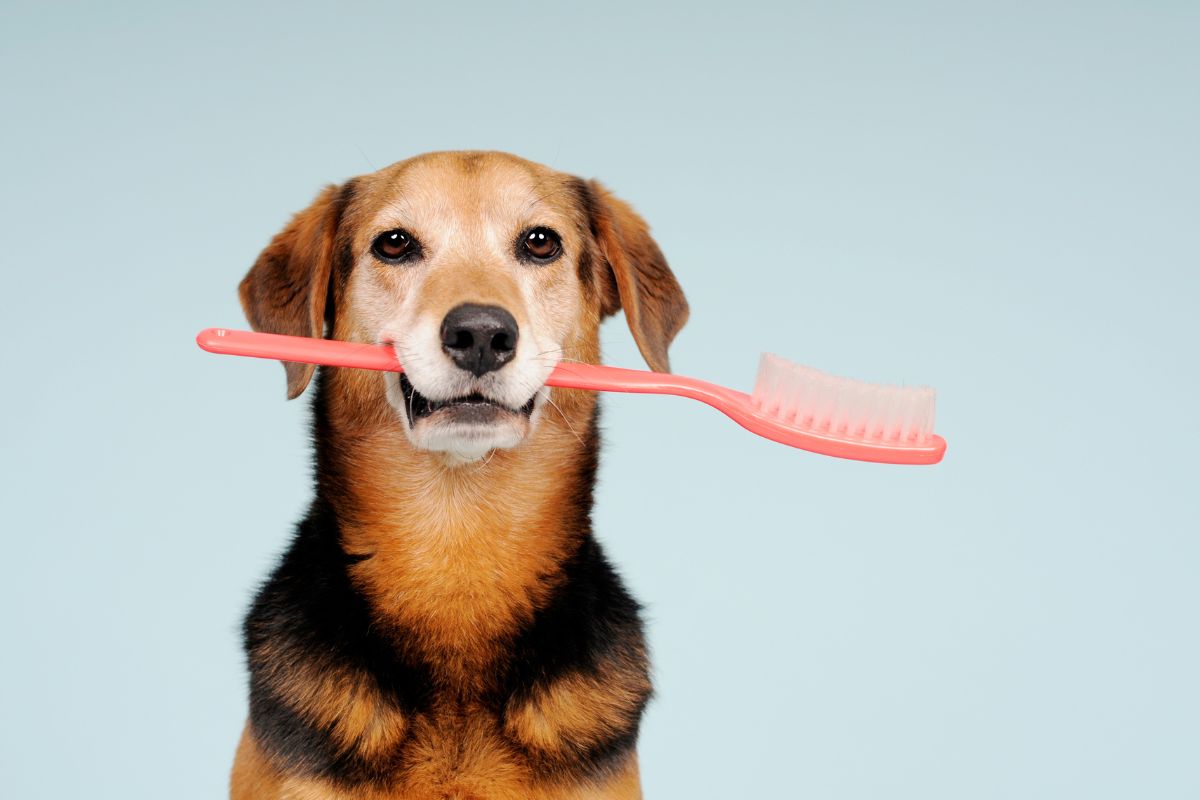
Schedule Your Pet’s Visit Today
For dedicated and professional veterinary care designed to meet your pet's specific needs, please schedule an appointment.