
🐾 Epic Tails Academy (Quarterly Event) • Learn More ›
Dog Anxiety: Symptoms, Causes, and Treatment Options

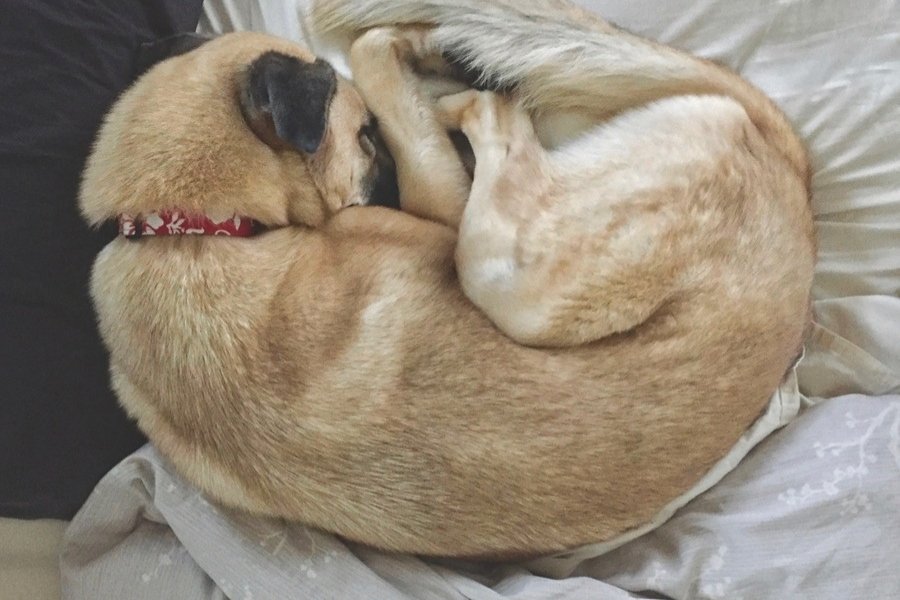
Dogs are known for their loyalty, affection, and joyful personalities. However, many dogs struggle with anxiety, and their symptoms can be distressing for both pets and owners. If left untreated, anxiety may affect your dog’s behavior, health, and overall quality of life. Therefore, understanding the symptoms, causes, and treatment options is essential to supporting your dog’s emotional well-being.
In this comprehensive guide, we break down everything you need to know about dog anxiety and how to help your furry friend feel safe and secure.
What Is Dog Anxiety?
Dog anxiety refers to excessive fear, stress, or worry that negatively impacts a dog’s daily behavior. While occasional nervousness is normal, persistent anxiety can interfere with eating, sleeping, and interacting comfortably.
Moreover, anxiety can appear suddenly or develop gradually. Some dogs show subtle signs, while others exhibit clear behavioral changes. Recognizing these signs early is crucial for effective treatment.
Common Symptoms of Dog Anxiety
Because dogs cannot verbally express their feelings, they communicate anxiety through physical and behavioral cues. Below are the most common symptoms:
1. Excessive Barking or Whining
Dogs may vocalize more when they feel stressed or afraid. This behavior often occurs during separation anxiety or when encountering unfamiliar environments.
2. Trembling or Panting
Even when the weather is cool, anxious dogs may shake or pant heavily.
3. Restlessness and Pacing
An anxious dog may struggle to relax. They may pace the same path or wander aimlessly around the home.
4. Destructive Behavior
Chewing furniture, digging, or scratching doors is often linked to anxiety—especially during owner absence.
5. Excessive Licking or Grooming
Some dogs lick paws or fur repeatedly as a stress-relieving habit.
6. Withdrawal or Hiding
Instead of acting out, some anxious dogs retreat to corners, closets, or confined spaces.
7. Accidents Indoors
Even house-trained dogs may urinate or defecate indoors due to heightened anxiety.
If you notice recurring symptoms, it’s important to take action quickly.
What Causes Dog Anxiety?
Various triggers can lead to anxiety in dogs. Understanding these causes helps you identify patterns and choose effective solutions.
1. Separation Anxiety
This is one of the most common forms of anxiety. Dogs become distressed when left alone, fearing their owners may never return.
2. Loud Noises
Fireworks, thunderstorms, and household appliances can easily scare noise-sensitive dogs.
3. Changes in Environment
Moving homes, new pets, or unfamiliar visitors can disrupt your dog’s comfort zone.
4. Past Trauma or Neglect
Rescue dogs may carry emotional scars from previous homes, leading to fear-based anxiety.
5. Illness or Pain
Medical issues often increase stress levels. Dogs may feel vulnerable when they are unwell.
6. Lack of Socialization
Dogs that were not properly socialized during puppy hood may become anxious in new situations or around strangers.
7. Aging
Senior dogs often develop cognitive dysfunction, similar to dementia, which can increase anxiety.
How to Diagnose Dog Anxiety
Although many symptoms are easy to observe, proper diagnosis is best performed by a vet or behavior specialist. They may conduct:
- Physical exams
- Blood work
- Behavioral evaluations
- Environmental assessments
This approach ensures symptoms aren’t caused by hidden medical issues.
Effective Treatment Options for Dog Anxiety
Fortunately, several treatment methods can help anxious dogs feel calmer and more confident. Below are the most effective options.
1. Behavioral Training
Training methods such as desensitization and counter conditioning teach dogs to respond differently to triggering situations. For example:
- Gradual exposure to loud noises
- Positive reinforcement during stressful events
Consistent training can significantly reduce anxiety.
2. Environmental Changes
Small adjustments can make your dog feel safer, such as:
- Providing a quiet retreat space
- Using calming pheromone diffusers
- Keeping a predictable daily routine
Additionally, offering mental stimulation through puzzle toys can reduce boredom-related anxiety.
3. Exercise and Play
Regular physical activity releases stress and boosts mood. Daily walks, fetch sessions, and interactive games help anxious dogs burn energy and relax naturally.
4. Calming Supplements
Certain supplements—including CBD oil (vet-approved), chamomile, and L-theanine—can promote relaxation. Always consult your vet before starting new supplements.
5. Prescription Medications
In moderate to severe cases, veterinarians may prescribe anti-anxiety medications. These treatments can be temporary or long-term, depending on your dog’s needs.
6. Professional Behavior Therapy
Certified trainers and behaviorists offer personalized programs to reduce anxiety. This is especially helpful for aggression or trauma-based fear.
How to Prevent Dog Anxiety
Although not all anxiety is preventable, you can reduce your dog’s risk with proactive steps:
- Socialize your puppy early
- Establish daily routines
- Encourage positive new experiences
- Avoid punishing anxious behavior
- Provide regular mental and physical stimulation
By creating a supportive environment, you help your dog develop confidence and emotional stability.
Dog anxiety is a common but manageable condition. By recognizing symptoms early and exploring appropriate treatment options, you can help your dog build trust, confidence, and comfort. If your dog shows signs of stress, don’t hesitate to seek professional guidance. For expert support and personalized care, consider consulting a reliable veterinarian in Charlotte, NC who can help you create an effective anxiety management plan tailored to your pet’s needs.
FAQs
Q1. What are the earliest signs of dog anxiety?
Ans. Early signs include pacing, excessive barking, lip licking, and sudden changes in behavior.
Q2. Can dogs develop anxiety suddenly?
Ans. Yes. Anxiety may appear after a stressful event, a change in environment, or a health issue.
Q3. Do calming products work for anxious dogs?
Ans. Calming aids can help, but their effectiveness varies. It’s best to consult a vet before use.
Q4. What triggers separation anxiety?
Ans. Dogs with strong bonds to their owners may panic when left alone due to fear of abandonment.
Q5. How long does anxiety treatment take?
Ans. Treatment depends on severity. Some dogs improve within weeks, while others require ongoing support.
Q6. When should I seek professional help?
Ans. If anxiety leads to aggression, destructive behavior, or daily distress, contact a vet or behaviorist immediately.
Schedule Your Pet’s Visit Today
For dedicated and professional veterinary care designed to meet your pet's specific needs, please schedule an appointment.