
🐾 Epic Tails Academy (Quarterly Event) • Learn More ›
How Veterinarians Safely Manage Pain in Dogs and Cats

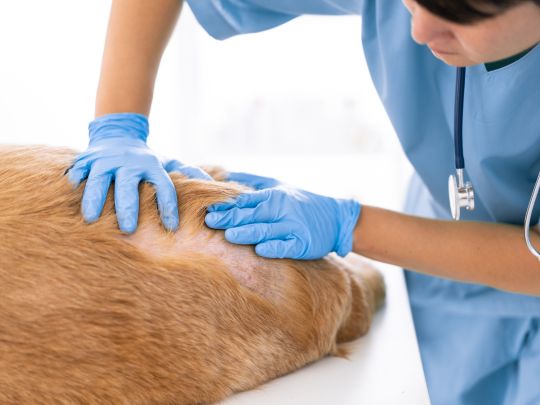
Pain management is a critical part of veterinary care. Just like humans, dogs and cats experience pain due to injury, illness, surgery, or aging. However, pets cannot tell us when they hurt. Therefore, veterinarians rely on advanced medical knowledge, careful observation, and compassionate care to identify and manage pain safely and effectively.
At Epic Tails Veterinary Clinic, pain management is never a one-size-fits-all approach. Instead, veterinarians use personalized strategies that protect your pet’s comfort while promoting faster healing and long-term health.
Understanding Pain in Pets
First and foremost, pain in pets can be acute or chronic. Acute pain often results from surgery, trauma, or sudden illness. Chronic pain, on the other hand, develops over time and is commonly linked to arthritis, dental disease, or degenerative conditions.
Because pets instinctively hide discomfort, veterinarians look for subtle signs such as:
- Changes in behavior or appetite
- Limping or stiffness
- Excessive grooming or vocalization
- Reduced activity or aggression
By recognizing these signs early, veterinarians can intervene promptly and prevent pain from worsening.
Comprehensive Pain Assessment
Before starting treatment, veterinarians perform a thorough pain assessment. This step is essential because an accurate diagnosis leads to safer pain control.
During an exam, veterinarians evaluate:
- Posture and movement
- Facial expressions and body tension
- Heart rate and breathing patterns
- Medical history and lifestyle
Additionally, diagnostic tools such as X-rays, blood tests, or ultrasounds help identify the root cause of pain. As a result, treatment targets the problem rather than masking symptoms.
Multimodal Pain Management Approach
Modern veterinary medicine emphasizes multimodal pain management. This approach combines different therapies to maximize relief while minimizing side effects.
Medications for Pain Relief
Veterinarians may prescribe medications specifically formulated for pets. These include:
- Anti-inflammatory drugs to reduce swelling
- Opioid-based medications for short-term severe pain
- Local anesthetics for surgical or dental procedures
Importantly, veterinarians never recommend human pain medications, as many are toxic to pets. Instead, they select safe dosages based on species, weight, age, and health condition.
Non-Medication Therapies
In addition to medications, veterinarians often incorporate non-drug therapies. These options improve comfort and reduce reliance on pharmaceuticals.
Common alternatives include:
- Cold and heat therapy
- Laser therapy to reduce inflammation
- Physical rehabilitation and controlled exercise
- Massage techniques for muscle tension
Consequently, pets benefit from faster recovery and improved mobility.
Pain Management During Surgery
Surgical procedures require careful pain control before, during, and after the operation. Veterinarians use advanced anesthesia protocols to ensure safety and comfort.
Before surgery, pets receive pre-emptive pain medication. During the procedure, continuous monitoring allows veterinarians to adjust anesthesia levels as needed. After surgery, personalized recovery plans include pain medication and activity restrictions.
This proactive approach significantly reduces post-operative discomfort and supports smoother healing.
Managing Chronic Pain in Aging Pets
As pets age, chronic pain becomes more common. Arthritis, joint disease, and spinal conditions often affect senior dogs and cats.
Veterinarians manage long-term pain by:
- Adjusting medications gradually
- Monitoring organ function regularly
- Recommending weight management plans
- Suggesting joint supplements or therapeutic diets
Furthermore, routine checkups allow veterinarians to modify treatment as conditions evolve. This ongoing care improves quality of life and helps pets remain active longer.
Dental Pain and Its Impact
Dental disease is one of the most overlooked causes of pain in pets. Infected gums, broken teeth, and oral inflammation can lead to severe discomfort.
Veterinarians address dental pain through:
- Professional dental cleanings
- Tooth extractions when necessary
- Pain relief medications during recovery
By treating dental issues promptly, veterinarians prevent systemic infections and long-term suffering.
The Role of Pet Owners in Pain Management
Pet owners play a vital role in successful pain management. Veterinarians educate owners on how to monitor their pets at home.
Owners should:
- Follow medication instructions precisely
- Observe changes in behavior or appetite
- Limit activity during recovery periods
- Attend follow-up appointments
Clear communication between veterinarians and pet owners ensures consistent care and better outcomes.
Localized, Compassionate Veterinary Care
Veterinary clinics serving the Charlotte community understand the unique needs of local pets. Seasonal allergies, active lifestyles, and climate-related conditions all influence pain management strategies.
At Epic Tails Veterinary Clinic, the team focuses on compassionate, personalized care tailored to the local pet population. This approach builds trust and ensures pets receive the highest standard of treatment.
Pain management is an essential part of protecting your pet’s health and happiness. Through detailed assessments, multi modal therapies, and ongoing monitoring, veterinary professionals ensure dogs and cats receive safe, effective relief at every stage of life.
If you are in Charlotte and searching for a trusted veterinarian near you, schedule an appointment with Epic Tails Veterinary Clinic today. Our experienced veterinary team is dedicated to providing safe, personalized pain management solutions that support your pet’s comfort, recovery, and long-term well-being. Whether your pet is dealing with post-surgical discomfort, chronic arthritis, dental pain, or age-related conditions, we are here to deliver compassionate care tailored to their unique needs. At Epic Tails Veterinary Clinic, your pet’s health and happiness remain our highest priority every step of the way.
Frequently Asked Questions
Q1. How do veterinarians know if my pet is in pain?
Ans. Veterinarians observe behavior changes, physical symptoms, and medical history to identify pain accurately.
Q2. Are pain medications safe for pets?
Ans. Yes, when prescribed by a veterinarian. Pet-specific medications are carefully dosed to avoid side effects.
Q3. Can pets take human painkillers?
Ans. No. Many human pain medications are toxic to dogs and cats and should never be given without veterinary approval.
Q4. How is chronic pain managed in pets?
Ans. Chronic pain is managed through long-term treatment plans that include medication, lifestyle changes, and regular monitoring.
Q5. Does dental disease really cause pain in pets?
Ans. Absolutely. Dental infections and gum disease are major sources of discomfort and should be treated promptly.
Q6. How can I help my pet recover at home?
Ans. Follow your veterinarian’s instructions, monitor your pet closely, and attend all recommended follow-up visits.


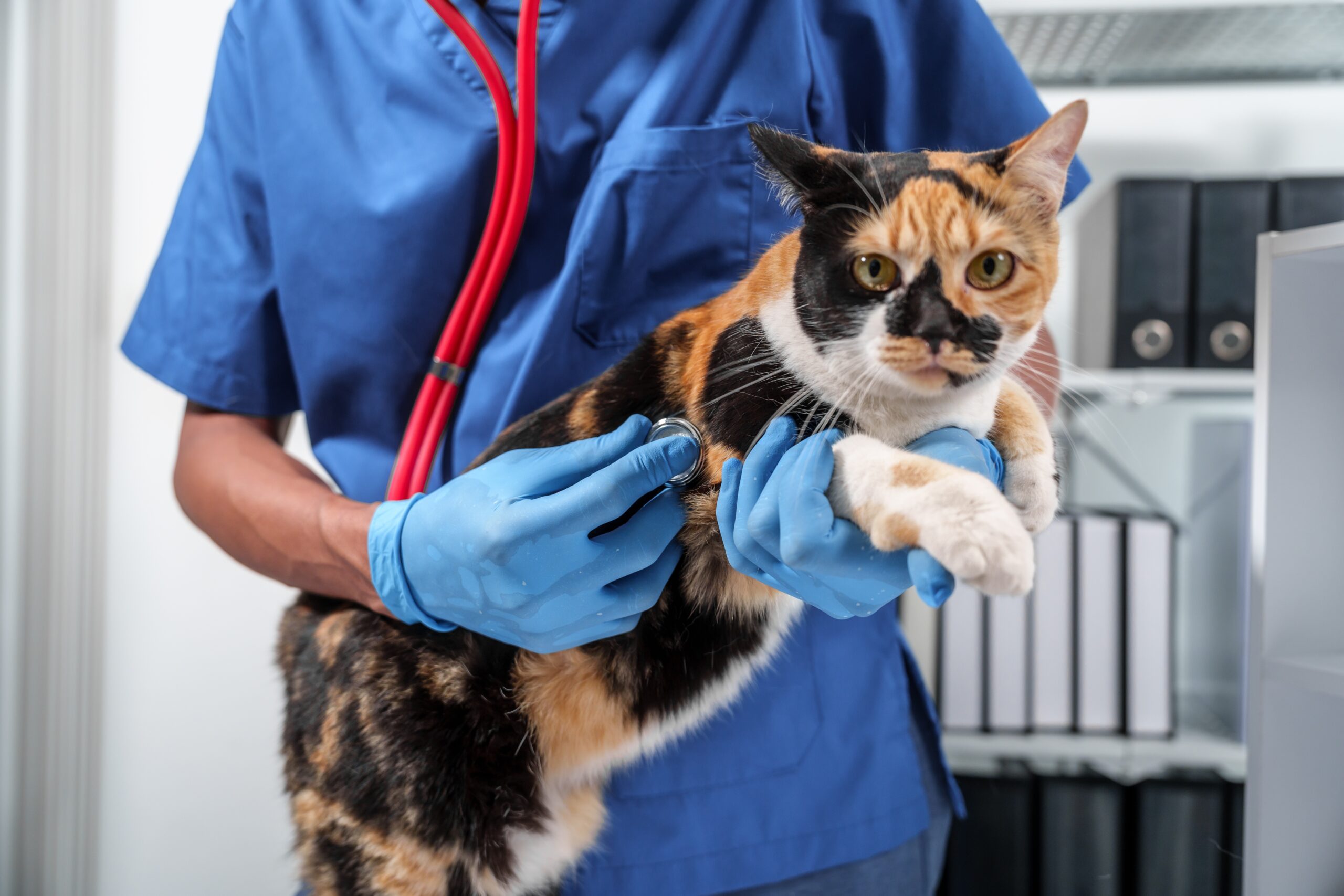
Schedule Your Pet’s Visit Today
For dedicated and professional veterinary care designed to meet your pet's specific needs, please schedule an appointment.