
🐾 Epic Tails Academy (Quarterly Event) • Learn More ›
What is the Healthiest Food for a Senior Dog?

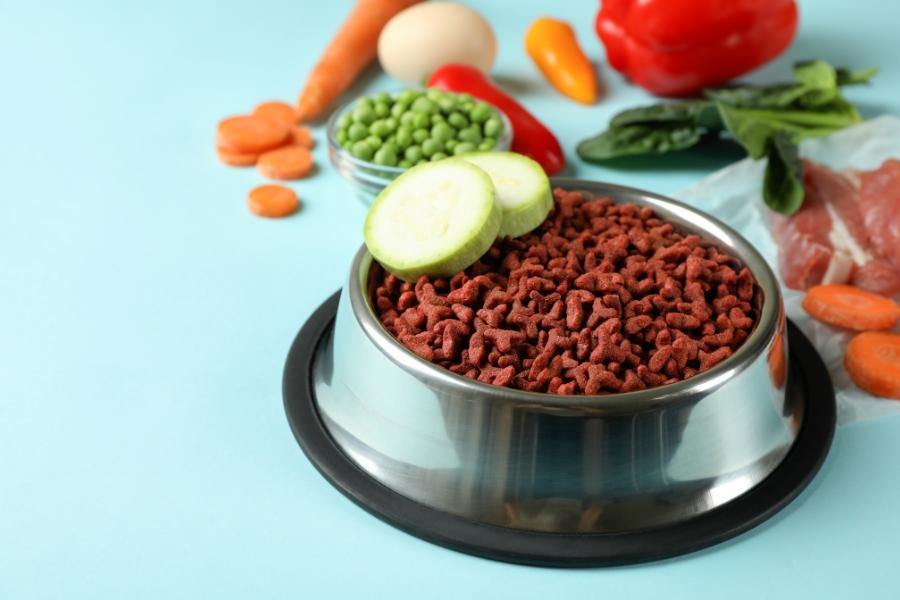
Just like humans, dogs change as they age. Their nutritional needs shift, their activity levels drop, and their bodies require more support to stay healthy. Choosing the healthiest food for a senior dog becomes one of the most important decisions a pet parent can make. When your pup enters their golden years, food is more than a meal – it becomes medicine, fuel, and comfort rolled into one. With the right diet, older dogs can enjoy strong joints, clear minds, shiny coats, and happy years with their families.
In this blog, we will guide you through the complete nutritional needs of senior dogs, the best food ingredients to look for, and how to build a diet that supports aging pets. You will also learn how to pick commercial food wisely, when home-cooked meals can help, and how portion control plays a huge role in senior dog health.
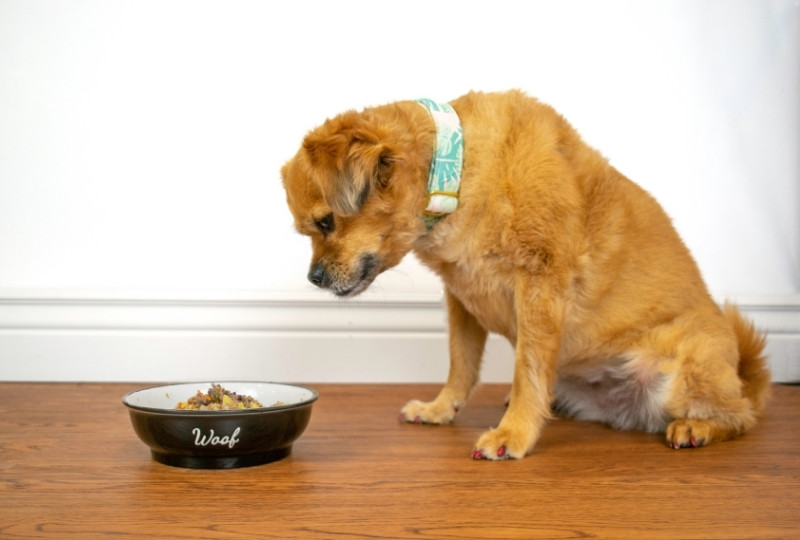
Understanding Senior Dog Nutrition Needs
As dogs age, their bodies undergo natural changes. Their metabolism slows down, muscle mass may decline, digestion becomes more sensitive, and immune function tends to weaken. Because of this, senior dogs need food with high-quality nutrients that are easy to digest and rich in antioxidants, vitamins, and essential fatty acids.
Although puppy and adult dogs thrive on higher calories for growth and activity, seniors benefit from controlled calories and increased protein support. Additionally, many aging dogs develop joint issues, weight gain, dental discomfort, or chronic diseases like kidney concerns. Their diet must be adjusted with care.
Therefore, the healthiest food for senior dogs should:
• Support lean muscle with quality protein
• Maintain weight without overfeeding
• Enhance joint movement and mobility
• Improve digestion and nutrient absorption
• Strengthen immunity and cognitive function
• Keep skin and coat hydrated and shiny
When we understand the why, choosing what becomes easier.
Top Nutrients Every Senior Dog Diet Should Have
Choosing food isn’t about picking one “magic ingredient.” Instead, a balance of essential nutrients works together to support the full body. Below are key nutrients your older dog must receive regularly.
1. High-Quality Protein
Protein keeps muscles strong and prevents weakness. Look for whole sources such as:
• Chicken
• Turkey
• Salmon
• Beef
• Lamb
• Eggs
Avoid low-grade meat meals or by-products. A senior dog may need more protein than you think, especially when muscle support is required.
2. Healthy Omega Fatty Acids
Omega-3s and Omega-6s reduce inflammation, sharpen the brain, and maintain joint comfort. Fish, salmon oil, flaxseed, and sardines are excellent choices.
3. Fiber for Digestive Comfort
Senior dogs benefit from moderate fiber to prevent constipation and maintain balanced gut health. Great fiber sources include pumpkin, oats, brown rice, and sweet potato.
4. Antioxidants for Immune Strength
Blueberries, spinach, carrots, and kale fight free radicals and support cell health. They can slow cognitive decline and keep your dog more alert.
5. Joint-Support Supplements
Glucosamine, chondroitin, and MSM are commonly added to senior formulas. They help joints remain flexible and reduce stiffness.
6. Low Sodium and Healthy Minerals
Too much sodium stresses the kidneys. Choose food with natural minerals, not synthetic salts or fillers.
7. Controlled Calories
Older pets burn fewer calories, so portion size matters. Too much food leads to weight gain, which strains the hips, knees, and heart.
Best Foods You Can Add to a Senior Dog’s Diet
You can feed seniors commercial food, homemade food, or a combination. However, ingredients matter above all. Below are some of the healthiest food options you can introduce into your aging dog’s routine.
Protein-Rich Lean Meats
Cooked chicken, turkey, lean beef, and scrambled eggs provide easily digestible protein. Always remove skin, fat, and bones.
Fish and Salmon
Fish offers protein plus omega oils for brain and joint health. Serve cooked and unseasoned fish for safety.
Pumpkin and Sweet Potato
Great for digestion and packed with vitamins. These foods maintain gut balance and energy levels without heavy calories.
Blueberries and Carrots
Small, nutrient-dense treats loaded with antioxidants. They improve immunity and vision.
Brown Rice and Quinoa
These provide slow energy release and support digestion. They pair well with proteins in home-cooked meals.
Bone Broth
Bone broth is hydrating, gentle on the stomach, and helpful for joint lubrication. Add a splash over dry food to improve appetite.
Commercial Food Options – How to Choose Wisely
Not all “senior formulas” are equal. Many store-shelf foods appear healthy but contain fillers like corn, artificial additives, and low-quality meat meal. Therefore, read labels carefully.
Choose brands that:
• List real meat as the first ingredient
• Include joint supplements like glucosamine
• Offer grain-inclusive or grain-free options (depending on tolerance)
• Avoid artificial coloring, preservatives, and chemicals
• Provide AAFCO-approved senior formulas
Additionally, ask your veterinary team before changing diets, especially if your dog has allergies or medical concerns.
Homemade Diet vs. Commercial Diet – Which is Better?
Both can be healthy when done correctly. A commercial senior diet offers balanced nutrition with convenience. Meanwhile, homemade meals allow ingredient control, freshness, and customization.
However, homemade meals must be nutritionally complete. Otherwise, dogs may miss essential vitamins. Ideally, combine both methods: premium kibble plus healthy home add-ins.
Feeding Tips for Senior Dogs
Even the healthiest food makes a difference only when fed properly. Consider the following tips:
• Divide meals into two or three smaller servings
• Keep fresh water available at all times
• Stick to a predictable feeding schedule
• Watch weight and adjust portions gradually
• Introduce new foods slowly to avoid stomach upset
Your dog will enjoy meals more when their routine feels consistent and comfortable.
A healthy senior dog diet is built on high-quality protein, balanced nutrients, joint-support minerals, antioxidants, and easy-to-digest whole foods. When you pay attention to ingredients, portion control, and daily feeding habits, your older dog can remain active, bright-eyed, and full of life. With thoughtful nutritional choices, your furry friend can enjoy the golden years with comfort, mobility, and joy. For compassionate senior support and dietary advice, Epic Tails Veterinary Clinic can guide you with personalized care options and nutrition planning. We proudly offer senior dog care in Charlotte, NC, ensuring your aging pets receive the attention and support they deserve for a long, healthy life.
FAQs
Q1. At what age is a dog considered senior?
Ans. Generally, dogs enter senior status around age seven, though large breeds may age faster. Monitoring health and diet becomes important at this stage.
Q2. How often should I feed my senior dog?
Ans. Most aging dogs do better with two to three smaller meals each day. Smaller portions help maintain digestion and energy more evenly.
Q3. Can senior dogs eat puppy food?
Ans. Puppy food is high in calories, which may cause weight gain in seniors. Senior-specific food is usually better for long-term health.
Q4. Is wet food better for senior dogs?
Ans. Wet food can be easier to chew and digest, especially for dogs with dental issues. However, balanced nutrition matters more than form.
Q5. Should I include supplements in my senior dog’s diet?
Ans. Joint supplements, omega oils, and probiotics can be helpful, but consult your veterinary clinic before adding anything new.
Q6. What human foods are safe for senior dogs?
Ans. Cooked chicken, carrots, pumpkin, and blueberries are safe in moderation. Always avoid chocolate, grapes, onions, and spicy foods.


Schedule Your Pet’s Visit Today
For dedicated and professional veterinary care designed to meet your pet's specific needs, please schedule an appointment.