🐾 Epic Tails Academy (Quarterly Event) • Learn More ›
How to Prepare Your Dog for Surgery

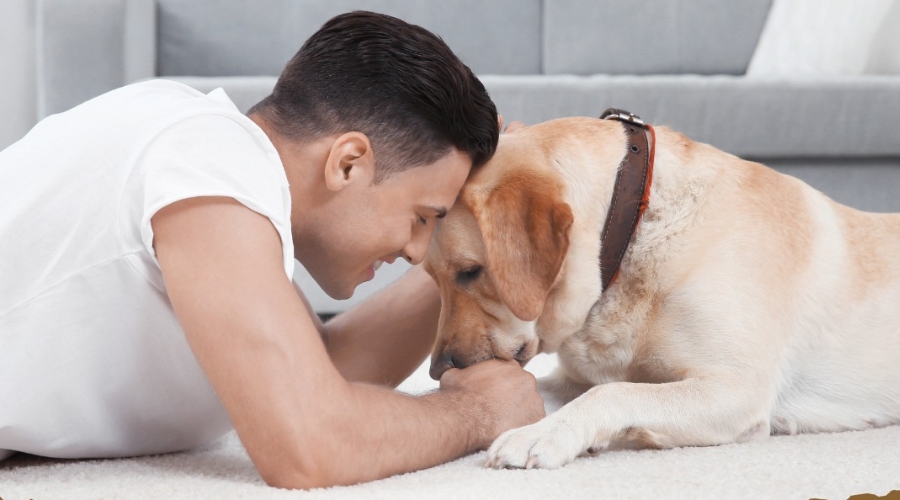
Hearing that your dog needs surgery can feel overwhelming. Many pet owners worry about safety, pain, and recovery. However, proper preparation can ease much of that stress. When you know what to expect and how to plan ahead, you help your dog feel calmer and more secure. More importantly, good preparation supports smoother procedures and better healing.
Surgery is not just about what happens in the operating room. What you do before the appointment matters just as much. From adjusting feeding routines to managing anxiety, small steps make a big difference. This guide walks you through each stage so you feel confident and informed.
Understand the Purpose of the Surgery
Before anything else, take time to understand why the surgery is needed. Clear knowledge reduces fear and builds trust in the process. Ask for a simple explanation of the procedure, expected outcomes, and recovery timeline.
Knowing the goal helps you prepare emotionally. It also allows you to explain changes to family members involved in daily care. When everyone understands the reason for surgery, consistency becomes easier at home.
Additionally, understanding the procedure helps you recognize what is normal after surgery and what is not. This awareness supports quicker response if concerns arise.
Follow Pre-Surgery Feeding and Fasting Instructions
One of the most important steps is following feeding guidelines. In most cases, dogs must stop eating several hours before surgery. This reduces the risk of complications during anesthesia.
Always follow the exact instructions provided. Do not assume the rules are the same for every procedure. Water rules may differ as well, so confirm those details in advance.
To make fasting easier:
- Feed a slightly earlier dinner the night before
- Remove food bowls on time
- Offer reassurance instead of treats
Although your dog may act hungry, this short discomfort protects their safety.
Prepare Your Dog Emotionally
Dogs sense changes in routine and energy. As surgery day approaches, remain calm and steady. Your behavior strongly influences how your dog feels.
Maintain normal routines whenever possible. Regular walks, playtime, and bedtime rituals provide comfort. At the same time, avoid overstimulation right before the appointment.
If your dog shows anxiety:
- Speak in a calm, reassuring voice
- Use familiar bedding or toys
- Avoid dramatic goodbyes
These steps help your dog feel secure rather than alarmed.
Adjust Medications and Supplements Safely
Some medications and supplements may need to be paused before surgery. This includes certain pain relievers, herbal products, and vitamins.
Provide a full list of everything your dog takes. Even items that seem harmless can affect anesthesia or healing. Never stop medications on your own without guidance.
If new medications are prescribed before surgery, give them exactly as directed. Consistency ensures your dog’s body is ready for the procedure.
Plan Transportation and Timing Carefully
Surgery days often start early. Plan your schedule in advance to avoid rushing. A calm morning sets the tone for your dog.
Ensure safe transportation by:
- Using a secure crate or seat restraint
- Keeping the car quiet and cool
- Allowing extra travel time
After surgery, your dog may feel groggy. Having a quiet ride home reduces stress and prevents sudden movements.
Set Up a Comfortable Recovery Space at Home
Preparation does not stop once surgery is over. Before the appointment, create a recovery area at home.
Choose a space that is:
- Quiet and low-traffic
- Away from the stairs
- Easy to clean
Place soft bedding, water access, and necessary supplies nearby. This setup allows your dog to rest without unnecessary movement.
Additionally, limit interaction with other pets if needed. Calm surroundings support faster healing.
Understand Post-Surgery Care Expectations
Knowing what happens after surgery helps you prepare mentally and physically. Ask about pain management, activity limits, and feeding schedules.
Most dogs need rest for several days. Short leash walks may replace normal exercise. Clear expectations prevent accidental setbacks.
Also, learn how to monitor the incision site. Knowing what looks normal helps you act quickly if concerns appear.
Keep Communication Open and Clear
Preparation includes staying informed. Do not hesitate to ask questions before or after surgery. Clear communication ensures nothing is overlooked.
Write down instructions if helpful. Having notes reduces confusion once you return home and focus on care.
When you feel informed, your confidence increases. That confidence reassures your dog as well.
Preparing your dog for surgery takes planning, patience, and calm guidance. Each step you take reduces stress and supports healing. From proper fasting to emotional reassurance, preparation plays a vital role in outcomes.
Conveniently located in Charlotte, NC, if you are searching for dog surgery near you, then Epic Tails Veterinary Clinic offers attentive surgical care focused on your dog’s comfort and safety. Our compassionate team specializes in guiding pet owners through every stage of the process, from preparation to recovery.
FAQs
Q1. How early should I start preparing my dog for surgery?
Ans. Preparation usually begins several days before surgery. This allows time to adjust routines, medications, and feeding schedules.
Q2. Can I walk my dog before surgery day?
Ans. Yes, normal walks are usually fine unless advised otherwise. However, avoid intense activity close to the appointment.
Q3. What should I bring on surgery day?
Ans. Bring any required paperwork, medication lists, and a familiar item like a blanket if allowed.
Q4. How can I reduce my dog’s anxiety before surgery?
Ans. Maintain routines, stay calm, and avoid emotional goodbyes. Familiar scents and steady voices help.
Q5. Should I bathe my dog before surgery?
Ans. Bathing is often recommended before surgery, since bathing afterward may be restricted during healing.
Q6. How do I know if my dog is recovering normally?
Ans. Mild sleepiness and reduced activity are common. However, follow all instructions and report anything unusual.
Schedule Your Pet’s Visit Today
For dedicated and professional veterinary care designed to meet your pet's specific needs, please schedule an appointment.