
🐾 Epic Tails Academy (Quarterly Event) • Learn More ›
Post-Surgical Pet Recovery at Home: Do’s, Don’ts, and Red Flags

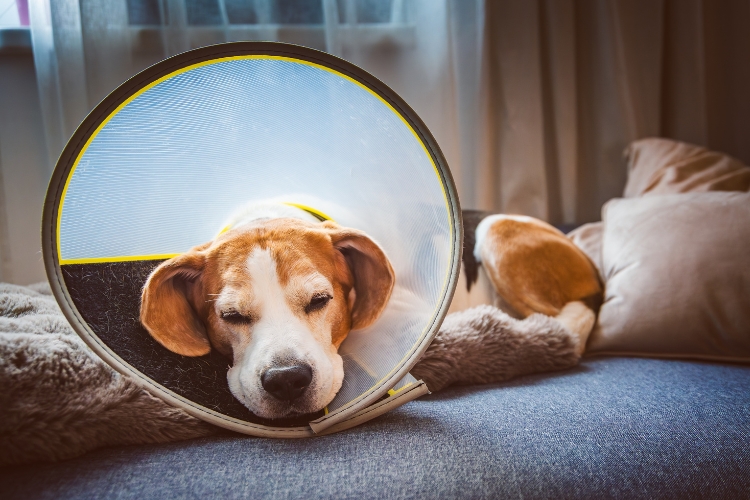
Bringing your pet home after surgery can feel both relieving and overwhelming at the same time. You may feel happy that the procedure is complete, but unsure about how to handle the next few days. It is an important phase because proper care at home can speed up healing and prevent complications. Many pet parents worry about doing something wrong, but with the right guidance, you can confidently support your pet’s recovery journey.
This guide will walk you through everything you need to know about post-surgery care for pets, including what you should do, what you must avoid, and the warning signs you should never ignore.
Understanding the First 24 Hours After Surgery
The first day after pet surgery is the most sensitive period for your pet. During this time, your pet may still feel the effects of anesthesia, which can cause sleepiness, confusion, or mild discomfort. Some pets may also refuse food or water for a short time, and that is usually normal.
Make sure your pet has a quiet and comfortable place to rest. Avoid loud noises, sudden movements, or too much interaction, especially if your pet appears tired or irritated. Gentle observation is key during this stage, as it helps you notice any unusual changes early.
It is also important to follow all discharge instructions given by the vet. These instructions are designed specifically for your pet’s condition and procedure. Proper pet surgery aftercare always begins with understanding and carefully following these instructions.
Creating a Safe and Comfortable Recovery Space
Your pet needs a calm and secure area to recover without stress or risk of injury. The space should be away from stairs, active children, and other pets that may accidentally disturb them. A soft bed or padded surface helps reduce pressure on the surgical site and keeps your pet comfortable.
Ensure the room temperature is moderate and stable. Pets recovering from surgery can be sensitive to both heat and cold. Keep fresh water nearby and make sure your pet does not need to move too much to access it.
Some pets may try to move around more than they should. In such cases, limiting their movement using a crate or a small enclosed area can be helpful and is especially important after orthopedic or abdominal surgeries, where movement can delay healing.
Feeding and Hydration After Surgery
Your pet’s appetite may not return immediately after surgery, and that is usually not a cause for concern. Start by offering small amounts of food and water. If your pet keeps the food down and shows interest, you can gradually return to their normal feeding routine.
Choose light and easily digestible food if recommended by the veterinarian. Avoid giving treats or human food during the recovery period, as it may upset your pet’s stomach or interfere with medications.
Hydration is just as important as food. Make sure your pet drinks water regularly. If your pet refuses water for an extended period, consult the vet for advice.
Managing Pain and Medications
Pain management plays a crucial role in recovery. The veterinarian will prescribe medications to keep your pet comfortable and to prevent infection. Always give medications exactly as directed, without skipping doses or stopping early.
Never give human medications to your pet unless specifically advised by the vet. Some common medicines for humans can be toxic to animals and may cause serious health issues.
Keep a simple schedule to track medication times, which helps you stay consistent and ensures your pet receives the full benefit of the treatment.
Do’s: Best Practices for Smooth Recovery
Following the right steps can make a big difference in how quickly and safely your pet heals. These practical home recovery tips for pets after surgery will help you stay on track.
- Keep the Incision Clean
Check the surgical site daily for any changes such as redness, swelling, or discharge. Keeping the area clean helps prevent infection and supports proper healing. - Use Protective Collars
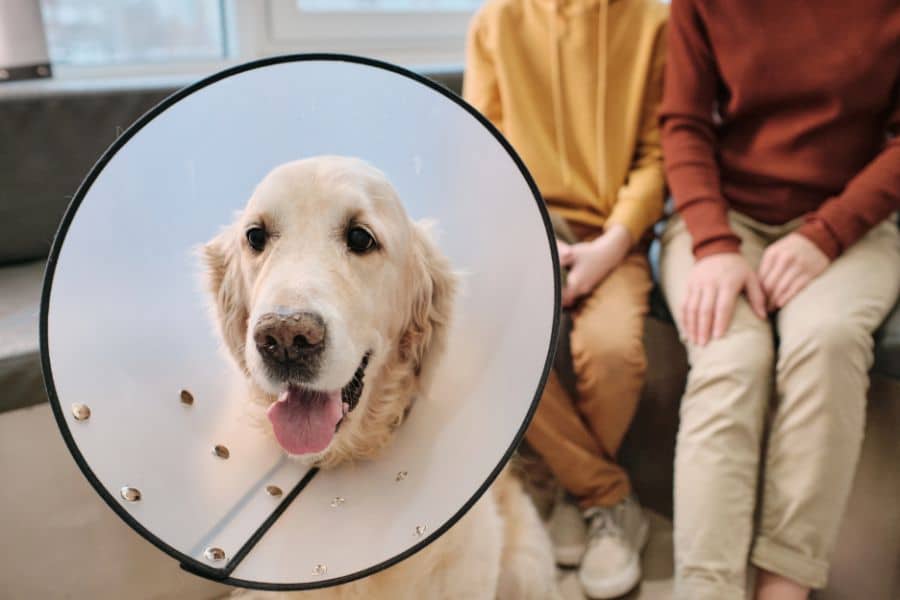
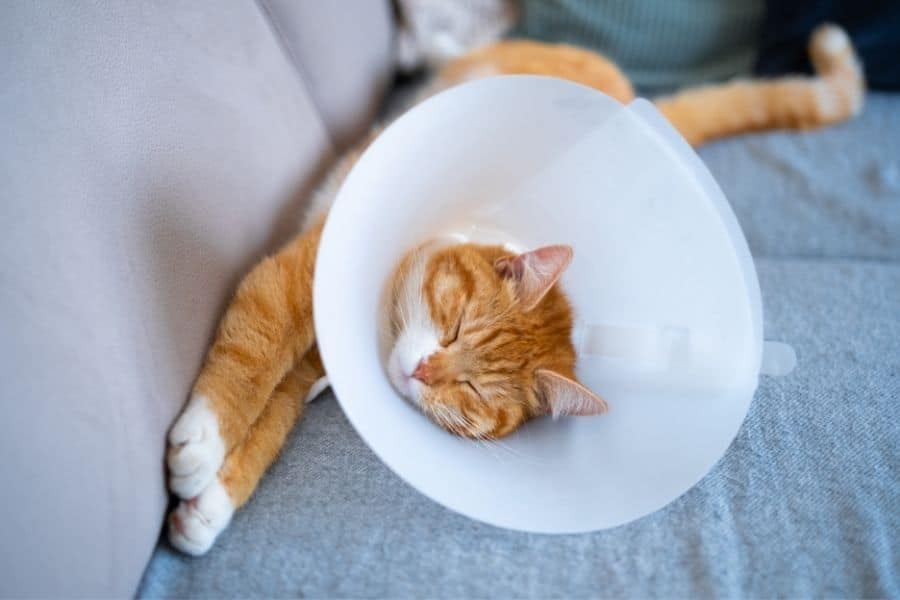
An e-collar or recovery collar prevents your pet from licking or biting the wound, which is important because even a few licks can introduce bacteria. - Follow Activity Restrictions
Limit running, jumping, and rough play until the vet confirms that your pet is ready. Too much movement can reopen wounds or cause internal damage. - Attend Follow-Up Visits
Regular check-ups allow the veterinarian to monitor healing and address any concerns early. Do not skip these visits even if your pet seems fine.
Don’ts: Common Mistakes to Avoid
Even with the best intentions, some actions can slow down recovery or cause complications. Being aware of these mistakes can help you avoid unnecessary stress.
- Do not skip medications: Missing doses can reduce effectiveness and increase the risk of infection or pain.
- Avoid bathing your pet early: Water exposure can affect the surgical site and delay healing unless the veterinarian allows it.
- Do not allow excessive movement: Letting your pet roam freely too soon can lead to injuries or reopening of stitches.
- Avoid ignoring minor changes: Small signs can quickly become serious if left unaddressed.
Monitoring the Healing Process
Observing your pet daily is one of the most important parts of recovery. Look at their behavior, eating habits, and overall energy levels. A steady improvement is a good sign, while sudden changes may indicate a problem.
Check the surgical area at least once a day. Mild swelling and redness can be normal, but these should not worsen over time. If you notice anything unusual, take note and contact the clinic.
Many pet owners ask if they should stay home with their pet after surgery. The answer depends on the type of surgery and your pet’s condition. In most cases, staying with your pet for at least the first 24 to 48 hours is highly recommended, allowing you to monitor their behavior closely and respond quickly if needed.
Red Flags You Should Never Ignore
While most pets recover smoothly, some signs require immediate attention. Recognizing these red flags early can prevent serious complications.
- Persistent vomiting or diarrhea: Occasional discomfort may happen, but continuous symptoms need medical evaluation.
- Excessive swelling or bleeding: A small amount of swelling can be normal, but anything severe or increasing should be checked.
- Loss of appetite for more than a day: If your pet refuses food for an extended period, it may indicate pain or internal issues.
- Lethargy or unusual behavior: Extreme tiredness or unresponsiveness is not normal and should be addressed quickly.
- Foul smell from the incision: It could indicate an infection and requires immediate care.
Emotional Support and Comfort
Recovery is not only physical but also emotional for your pet. Some pets may feel anxious, confused, or clingy after surgery. Your presence can provide comfort and reassurance during this time.
Speak to your pet in a calm and gentle voice. Avoid overwhelming your pet with too much attention, but let them know you are there. Small actions like sitting nearby or gently petting them can make a big difference.
Keeping a consistent routine also helps reduce stress. Feeding, medication, and rest times should follow a predictable pattern to help your pet feel secure.
Helping Your Pet Heal the Right Way
Recovery after surgery is a journey that requires patience, attention, and care. By following the right steps, you can ensure your pet heals comfortably and safely. Every small effort you make contributes to a faster and smoother recovery process.
If you ever feel unsure or notice something unusual, book an appointment at Epic Tails Veterinary Clinic. Our team is here to guide you through every stage of your pet’s recovery, ensuring they receive the best possible care and support.
FAQs
1. How long does it take for a pet to recover after surgery?
Recovery time depends on the type of surgery and your pet’s overall health. Minor procedures may take a few days, while major surgeries can take several weeks. Always follow the veterinarian’s guidance for accurate timelines.
2. Can I leave my pet alone after surgery?
It is best to supervise your pet closely for the first one to two days. After that, short periods alone may be fine if your pet is stable and comfortable.
3. What should I do if my pet licks the incision?
Use a protective collar immediately and monitor the area. If irritation or damage occurs, contact the vet for further advice.
4. Is it normal for my pet to sleep more after surgery?
Yes, increased rest is normal as the body heals. However, extreme lethargy or difficulty waking up should be checked by a veterinarian.
5. When can my pet return to normal activity?
The vet will provide a timeline based on the surgery. Gradual return to normal activity is important to avoid complications.
Schedule Your Pet’s Visit Today
For dedicated and professional veterinary care designed to meet your pet's specific needs, please schedule an appointment.