
🐾 Epic Tails Academy (Quarterly Event) • Learn More ›
10 Warning Signs Your Pet Needs to See a Veterinarian Immediately

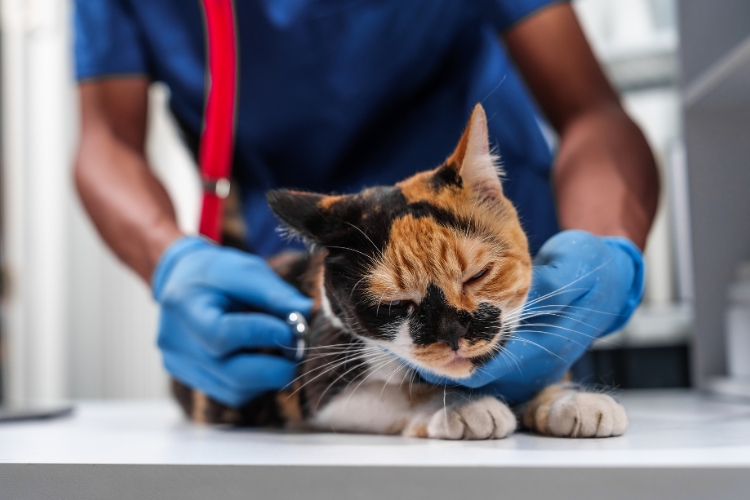
As pet owners, we all strive to keep our furry friends healthy and happy. However, sometimes pets may exhibit signs that indicate something isn’t right, requiring immediate attention. Knowing the warning signs that your pet needs to see a veterinarian is crucial to ensuring their well-being and preventing serious health issues.
At Epic Tails Veterinary Clinic, we understand that pets can’t always express what’s bothering them, and it can be hard to decipher whether a symptom is mild or something more serious. This blog post highlights 10 common warning signs that should never be ignored. If you notice any of these symptoms in your pet, it’s time to schedule an appointment with our trusted team.
1. Lethargy or Decreased Energy Levels
One of the most alarming signs that your pet may be unwell is lethargy. If your dog or cat is usually active but suddenly becomes unusually tired or disinterested in activities they once enjoyed, this could indicate a serious underlying condition. Lethargy can be caused by infections, anemia, or organ issues, so it’s essential to consult with a veterinarian if your pet’s energy levels suddenly decrease.
2. Difficulty Breathing or Labored Breathing
Pets who are struggling to breathe, panting excessively, or showing signs of respiratory distress need immediate attention. Difficulty breathing can indicate serious conditions like pneumonia, heart disease, or even asthma in some animals. If your pet is having trouble catching their breath, it is crucial to get them to a veterinary clinic immediately.
3. Unexplained Weight Loss or Loss of Appetite
A sudden drop in weight or a lack of appetite can be a red flag. Weight loss, especially if accompanied by a loss of interest in food or drinking water, may point to conditions such as digestive issues, kidney disease, or even cancer. In such cases, our vet will need to run tests to diagnose and treat the problem appropriately.
4. Vomiting or Diarrhea
While occasional vomiting or diarrhea might be due to something your pet ate, persistent symptoms that last more than 24 hours should never be ignored. Prolonged vomiting or diarrhea could lead to dehydration and can be indicative of a more severe issue like gastrointestinal infections, pancreatitis, or poisoning. If these symptoms continue, contact a veterinarian right away.
5. Severe or Uncontrollable Coughing
Coughing can often be attributed to mild conditions like kennel cough or allergies. However, if your pet’s coughing is severe or uncontrollable, it could signal a more serious condition, such as pneumonia, heart disease, or bronchitis. If the coughing is persistent and severe, it is essential to get medical attention.
6. Changes in Urination Habits
If your pet suddenly starts urinating more frequently or not at all, it may indicate a urinary tract infection (UTI), kidney issues, or even diabetes. If your pet is straining to urinate, has accidents in the house, or seems in pain when trying to urinate, you should schedule an appointment with a vet as soon as possible.
7. Unexplained Behavior Changes
If your pet is acting out of character, it could be a sign that something is wrong. Sudden aggression, excessive hiding, or extreme anxiety may be indicative of pain, illness, or injury. Pets, especially dogs and cats, are sensitive to changes in their health, and behavioral changes should not be ignored.
8. Excessive Scratching or Licking
If your pet is excessively scratching, licking, or chewing at their skin, it may be a sign of allergies, infections, or parasites such as fleas or ticks. This behavior can also be a symptom of more serious skin conditions, so it’s important to get a proper diagnosis from a vet to avoid further complications.
9. Swelling or Bloating
Swelling or bloating can be a serious issue, especially in dogs. It could be a sign of bloat (gastric dilatation-volvulus), which is a life-threatening condition that requires immediate veterinary attention. Similarly, swelling in any part of the body, such as the abdomen or legs, could indicate an infection, abscess, or even cancer.
10. Seizures or Loss of Consciousness
Seizures or sudden loss of consciousness in your pet are clear signs that something is seriously wrong. Seizures can be caused by a variety of conditions, including epilepsy, toxins, or brain issues. If your pet experiences a seizure or sudden loss of consciousness, it’s vital to seek immediate care to determine the cause and provide appropriate treatment.
Why Regular Veterinary Check-ups Matter
Even though it’s important to know when to seek emergency care, regular checkups with a vet are just as vital. These appointments allow your vet to spot potential health issues before they become severe, ensuring your pet stays healthy for years to come.
At Epic Tails Veterinary Clinic, we believe in preventative care and educating pet owners about what to watch for. Regular wellness exams can help detect hidden health issues, and knowing the warning signs of potential emergencies can save your pet’s life.
If you’re in Charlotte and noticing any of the above signs in your pet, don’t wait; schedule an appointment with Epic Tails Veterinary Clinic immediately. Our veterinary team is dedicated to providing the best care and treatment for your pets when they need it most. Don’t wait for the symptoms to worsen; your pet’s health is our priority!
FAQs
Q1. What should I do if my pet is vomiting and has diarrhea?
Ans. If your pet is vomiting and experiencing diarrhea for more than 24 hours, it’s important to consult a veterinarian to rule out more serious conditions like infections or parasites.
Q2. How do I know if my pet is in pain?
Ans. Pets often hide pain, but signs like limping, growling, excessive licking, or behavioral changes can indicate they are in discomfort. If you notice any of these signs, seek veterinary care.
Q3. Is it normal for my pet to breathe fast after exercise?
Ans. After exercise, it’s normal for pets to breathe quickly. However, if your pet is panting excessively or struggling to breathe, it may indicate a respiratory issue or heart disease.
Q4. When should I be concerned about my pet’s lack of appetite?
Ans. If your pet refuses to eat for more than 24-48 hours, it may indicate an underlying health issue. Don’t wait – schedule an appointment with our veterinarian for further evaluation.
Q5. Can I treat my pet’s skin condition at home?
Ans. While some skin issues can be managed at home, severe conditions like infections, parasites, or allergies require professional treatment. Our veterinarian can provide the right solution.
Q6. What are the first signs of a pet emergency?
Ans. The first signs of an emergency often include vomiting, lethargy, difficulty breathing, and changes in urination habits. If you notice any of these signs, contact our veterinarian immediately.
Schedule Your Pet’s Visit Today
For dedicated and professional veterinary care designed to meet your pet's specific needs, please schedule an appointment.