
🐾 Epic Tails Academy (Quarterly Event) • Learn More ›
How to Prepare Your Dog or Cat for Surgery and Recovery

Hearing that your dog or cat needs surgery can feel overwhelming for any pet owner. Whether the procedure is routine or more advanced, it is completely normal to have concerns about anesthesia, recovery, and how to keep your pet comfortable throughout the process.
The good news is that modern veterinary medicine has made surgery safer and more effective than ever before. Proper preparation before surgery and attentive recovery care afterward can make a major difference in helping pets heal comfortably and reducing the risk of complications.
Understanding what to expect before, during, and after surgery also helps reduce stress for both pets and owners. From pre-operative exams to post-surgical monitoring, every stage of the process plays an important role in your pet’s recovery.
For pet owners in Charlotte, knowing how to prepare ahead of time can help ensure a smoother surgical experience and support faster healing afterward.
At Epic Tails Veterinary Clinic, surgical care focuses on safety, comfort, and personalized recovery support for dogs and cats throughout every stage of treatment.
Why Preparation Matters Before Pet Surgery
Preparing your pet properly before surgery is extremely important. Pre-operative planning helps veterinarians identify potential health risks, ensure anesthesia safety, and improve overall recovery outcomes.
Even healthy pets benefit from pre-surgical evaluations because underlying conditions may not always show obvious symptoms.
Veterinarians often recommend comprehensive wellness evaluations for pets before surgery to assess overall health and identify concerns that could affect anesthesia or healing.
Good preparation also helps owners feel more confident about the procedure and recovery process.
The Importance of Pre-Operative Exams
Before surgery, veterinarians typically perform a physical examination and may recommend diagnostic testing to evaluate your pet’s health status.
Pre-operative exams often include:
- Heart and lung evaluation
- Weight assessment
- Hydration checks
- Bloodwork
- Medication review
- Discussion of medical history
Blood testing is especially important because it helps evaluate organ function, infection risk, and other hidden concerns that may affect anesthesia safety.
Many pet owners seeking advanced preventive care for dogs and cats appreciate how pre-operative screening helps reduce surgical risks and improve safety.
Early detection of medical concerns allows veterinary teams to customize anesthesia and surgical plans more effectively.
Understanding Anesthesia Safety
Anesthesia is a common concern for pet owners, but modern veterinary anesthesia is highly advanced and carefully monitored.
During your pet surgery, veterinary teams closely track:
- Heart rate
- Blood pressure
- Oxygen levels
- Temperature
- Respiratory function
Anesthesia protocols are tailored based on the pet’s age, breed, weight, and medical history.
Senior pets or pets with underlying health conditions may require additional monitoring and customized medication plans to improve safety.
Veterinary professionals often recommend personalized surgical support for pets because individualized anesthesia protocols help minimize complications and improve recovery.
Understanding the monitoring process can help reassure owners before surgery day.
Fasting Instructions Before Surgery
Most pets are required to fast before surgery. Food is typically withheld the night before anesthesia to reduce the risk of vomiting or aspiration during the procedure.
Your veterinarian will provide specific fasting instructions based on:
- Your pet’s age
- Health condition
- Type of surgery
- Medication schedule
Water may still be allowed for part of the evening, but owners should always follow veterinary instructions carefully.
Failure to follow fasting guidelines could delay surgery or increase anesthesia risks.
Preparing Your Home for Recovery
Recovery begins before your pet even comes home. Creating a calm and comfortable recovery area ahead of time can help reduce stress after surgery.
Helpful recovery preparations may include:
- Soft bedding
- Quiet resting space
- Easy access to water
- Restricted stair access
- Non-slip flooring
- Separation from other pets if needed
Pets recovering from surgery often need a calm environment with limited activity during the healing process.
Many owners seeking post-operative recovery care for pets benefit from planning recovery spaces before the procedure takes place.
Preparation can make the transition home smoother and more comfortable.
What to Expect Immediately After Surgery
After surgery, pets may appear sleepy, disoriented, or less active while anesthesia wears off. Mild grogginess is common during the first 24 hours.
Some pets may also experience:
- Temporary appetite reduction
- Mild vocalization
- Increased sleepiness
- Minor balance issues
Veterinary teams provide discharge instructions explaining medications, feeding recommendations, activity restrictions, and incision care.
Owners should monitor pets closely during the first night after surgery and follow all recovery guidelines carefully.
Managing Pain After Surgery
Pain management is one of the most important parts of surgical recovery. Pets recovering comfortably are often able to heal more effectively and return to normal routines sooner.
Signs of post-surgical discomfort may include:
- Restlessness
- Whining or vocalization
- Panting
- Reduced appetite
- Hiding
- Sensitivity near the surgical site
Veterinarians may prescribe pain medications, anti-inflammatory treatments, or other supportive therapies to improve comfort during healing.
Pet owners often appreciate compassionate pain management solutions for pets because proper pain control significantly improves recovery quality.
Never give human pain medications unless specifically directed by your veterinarian.
Restricting Activity During Recovery
One of the biggest challenges during recovery is limiting physical activity. Even if pets begin feeling better quickly, too much movement may interfere with healing.
Activity restrictions may include:
- No running or jumping
- Limited stair use
- Leash-only walks
- Crate rest when recommended
- Avoiding rough play
Excessive activity can increase swelling, damage sutures, or slow recovery progress.
Following recovery instructions carefully helps reduce the risk of complications.
Monitoring the Surgical Incision
Owners should check the incision site daily during recovery.
Normal healing signs may include:
- Mild swelling
- Slight redness
- Minimal bruising
However, veterinary attention may be needed if you notice:
- Bleeding
- Discharge
- Strong odor
- Excessive swelling
- Missing sutures
- Persistent redness
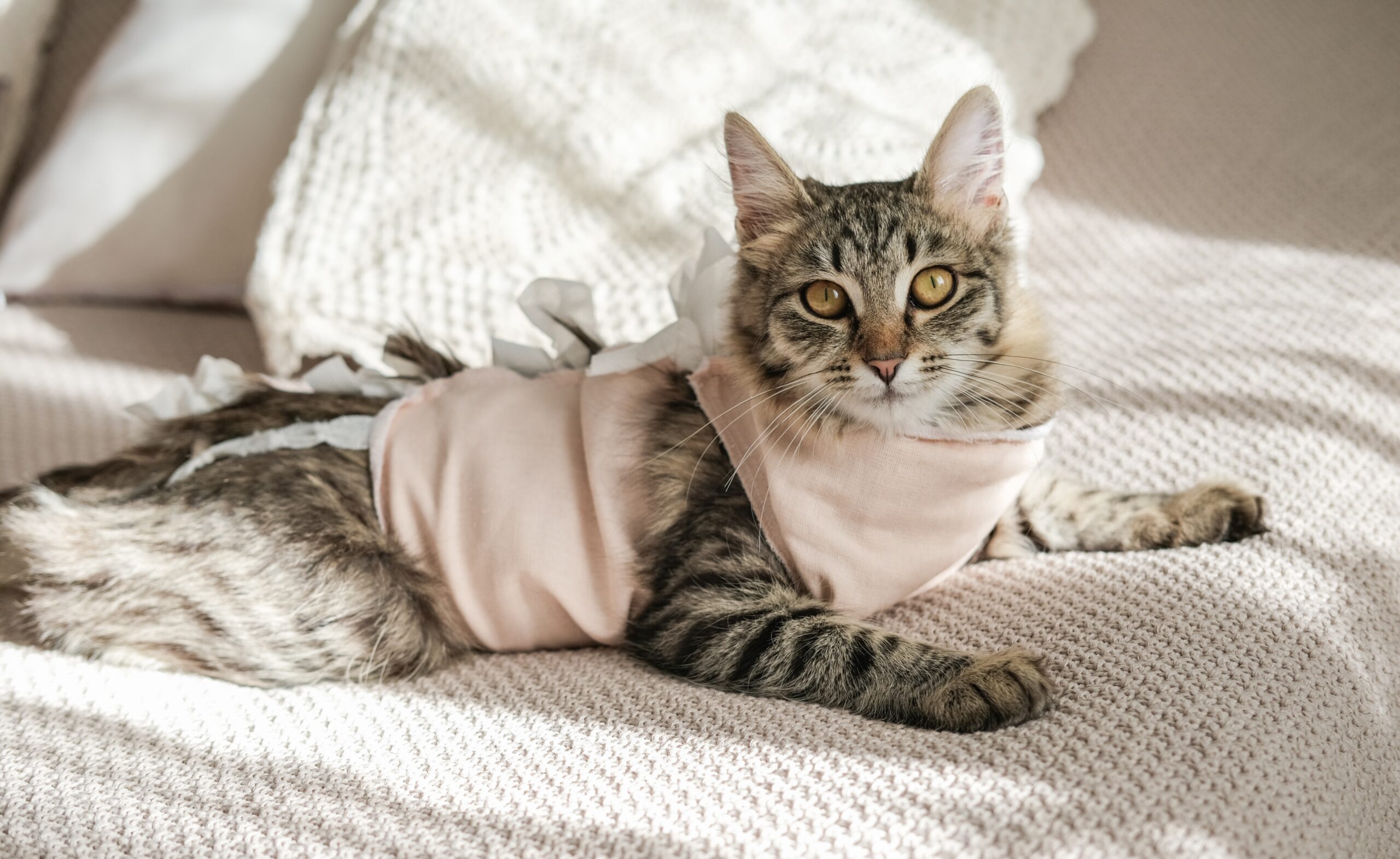
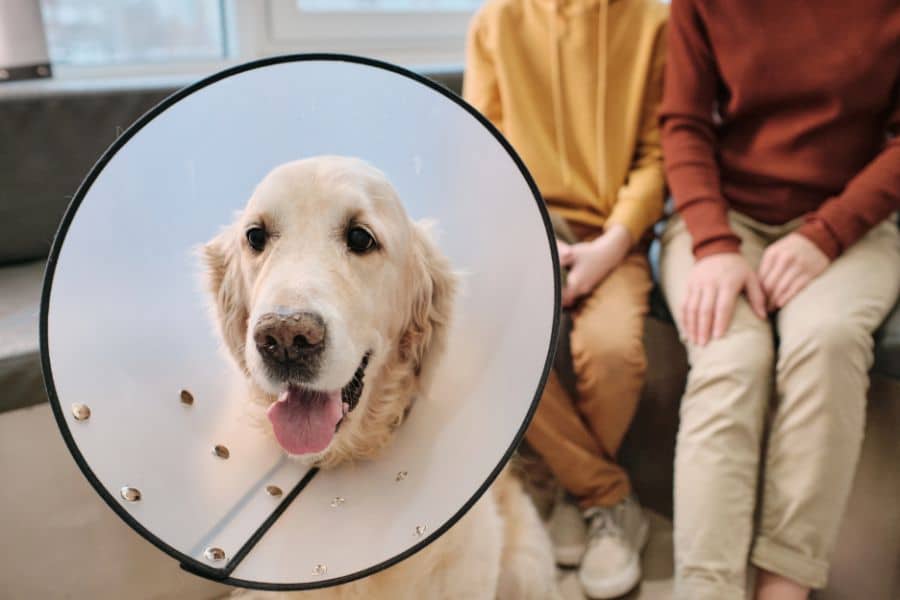
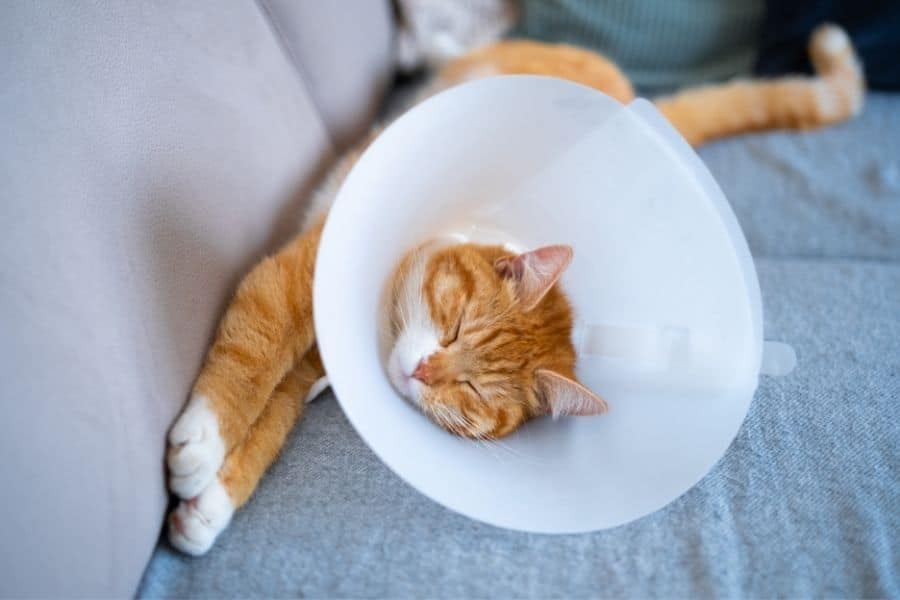
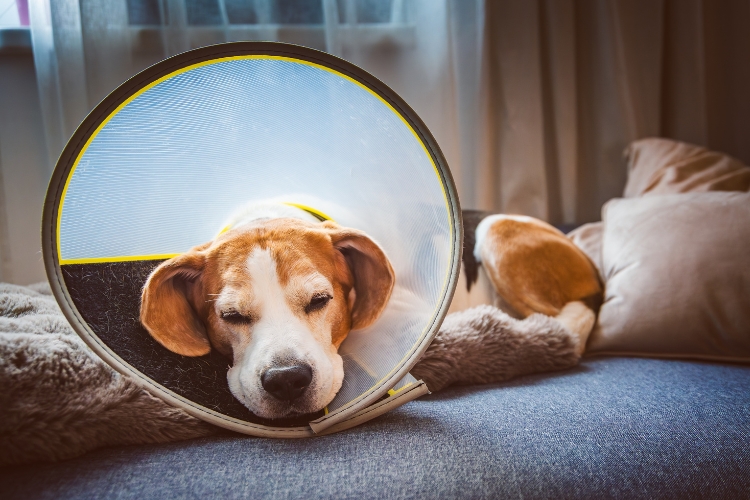
Preventing licking or chewing at the incision is extremely important. Many pets require an Elizabethan collar or recovery suit to protect the surgical site.
Nutrition and Hydration During Recovery
Some pets may not feel hungry immediately after surgery, but appetite usually improves within a day or two.
Offering small amounts of food and fresh water can help ease digestion after anesthesia.
Pets recovering from surgery often benefit from:
- Smaller meals initially
- Easy access to water
- Quiet feeding areas
- Following medication instructions carefully
If appetite loss continues beyond the expected recovery period, veterinary follow-up may be necessary.
Why Follow-Up Visits Matter
Post-surgical follow-up appointments allow veterinarians to monitor healing progress and identify complications early.
Follow-up exams may include:
- Incision evaluation
- Suture removal
- Pain assessment
- Activity recommendations
- Recovery progress monitoring
Many pet owners in Charlotte appreciate the reassurance that comes with professional recovery monitoring throughout the healing process.
Regular communication with your veterinary team helps ensure recovery stays on track.
Common Surgeries Pets May Need
Veterinary surgery includes a wide range of procedures for both dogs and cats.
Common surgeries include:
- Spay and neuter procedures
- Dental surgery
- Tumor removal
- Orthopedic procedures
- Soft tissue surgery
Every procedure has unique recovery requirements, which is why personalized discharge instructions are so important.
FAQs About Pet Surgery and Recove
Q1: How long does it take pets to recover from surgery?
Ans. Recovery times vary depending on the procedure, but many pets begin improving within a few days while full healing may take several weeks.
Q2: Is anesthesia safe for older pets?
Ans. Yes. With proper pre-operative testing and monitoring, anesthesia can often be performed safely in senior pets.
Q3: Why does my pet need bloodwork before surgery?
Ans. Pre-operative bloodwork helps evaluate organ function and identify hidden medical conditions that may affect anesthesia safety.
Q4: How can I stop my pet from licking the incision?
Ans. Elizabethan collars or recovery suits help prevent licking, which can interfere with healing and increase infection risk.
Q5: When should I call the veterinarian during recovery?
Ans. You should seek veterinary attention if your pet experiences severe swelling, bleeding, discharge, breathing difficulty, vomiting, or worsening pain.
At Epic Tails Veterinary Clinic, we understand that surgery can feel stressful for both pets and owners. Our team is committed to providing safe surgical care, advanced monitoring, and personalized recovery support every step of the way. Whether your pet needs a routine procedure or more advanced treatment, we are here to help make the experience as smooth and comfortable as possible. Book an appointment today to learn more about surgical care and recovery planning for your dog or cat.
Schedule Your Pet’s Visit Today
For dedicated and professional veterinary care designed to meet your pet's specific needs, please schedule an appointment.