
🐾 Epic Tails Academy (Quarterly Event) • Learn More ›
Signs Your Dog or Cat May Benefit From Urgent Care in Charlotte

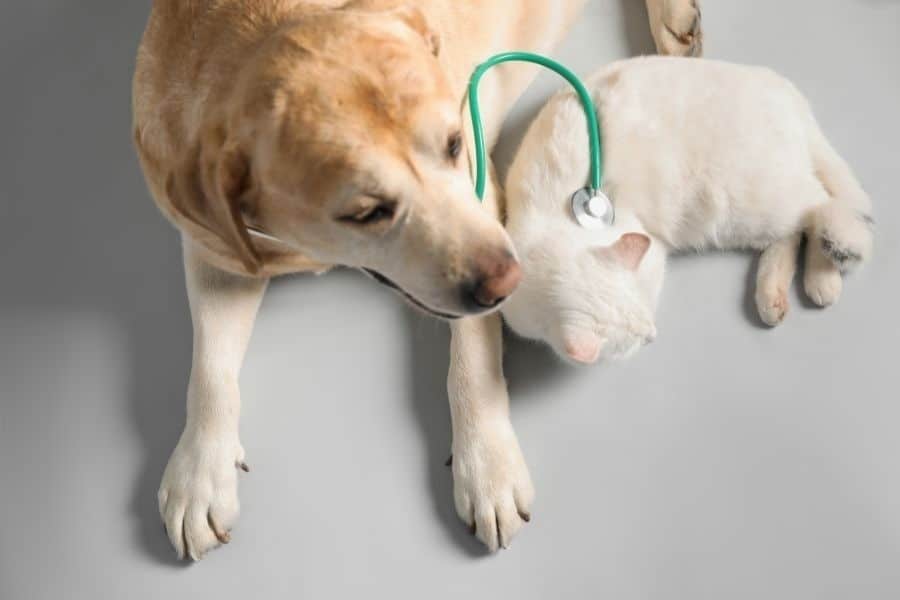
Pets cannot tell us when they are feeling sick, injured, or uncomfortable. Instead, they communicate through changes in behavior, appetite, energy levels, and physical symptoms. While some health concerns can wait for a scheduled veterinary visit, others require urgent care to help prevent complications and support a faster recovery.
For pet owners in Charlotte, recognizing the warning signs that indicate prompt veterinary attention can make a significant difference in a pet’s overall health and well-being. Whether you share your home with a playful puppy, an active adult dog, a curious kitten, or a senior cat, understanding when to seek professional care is an important part of responsible pet ownership.
Understanding When Urgent Care Is Needed
Not every health issue requires immediate intervention, but certain symptoms should never be ignored. Veterinary urgent care focuses on conditions that require prompt evaluation because delaying treatment could lead to worsening discomfort or more complex health concerns.
Pets often instinctively hide signs of illness. By the time symptoms become noticeable, the underlying issue may already be progressing. This is why paying attention to subtle changes is so important.
Common Warning Signs Pet Owners Should Watch For
Sudden Changes in Appetite
A temporary decrease in appetite may occur occasionally, but prolonged refusal to eat or drink deserves veterinary attention.
Potential causes include:
- Digestive disorders
- Dental disease
- Internal pain
- Organ dysfunction
- Metabolic conditions
Cats, in particular, can experience serious complications when they stop eating for extended periods.
Persistent Vomiting or Diarrhea
Occasional digestive upset can happen, but repeated episodes should not be ignored. Vomiting or diarrhea that continues for several hours or recurs frequently may indicate:
- Gastrointestinal inflammation
- Dietary indiscretion
- Intestinal blockage
- Infection
- Toxic exposure
Prompt evaluation can help determine the cause and prevent dehydration.
Difficulty Breathing
Changes in breathing patterns are always concerning.
Signs include:
- Rapid breathing
- Labored breathing
- Wheezing
- Persistent coughing
- Excessive panting while resting
Breathing difficulties can develop for many reasons and should be assessed by a veterinary professional as soon as possible.
Mobility Problems That Require Attention
Sudden Limping or Reluctance to Move
Dogs and cats are naturally active, but sudden mobility changes often indicate discomfort.
Watch for:
- Limping
- Stiffness
- Difficulty standing
- Reluctance to jump
- Trouble climbing stairs
These symptoms may result from soft tissue injuries, joint conditions, or other musculoskeletal concerns.
Weakness or Loss of Coordination
A pet that appears unsteady or struggles with balance should be examined promptly. Neurological conditions, infections, and metabolic disorders can sometimes contribute to coordination issues.
Behavioral Changes That May Signal a Health Problem
Increased Hiding
Cats frequently hide when they are uncomfortable, but dogs may also withdraw from family interaction when they are not feeling well.
Behavioral changes that deserve attention include:
- Excessive sleeping
- Avoiding interaction
- Increased irritability
- Restlessness
- Unusual vocalization
Because pets cannot verbally communicate pain, these subtle changes often provide valuable clues.
Sudden Anxiety or Agitation
A pet that suddenly appears anxious, pacing, or unable to settle may be experiencing discomfort. Identifying the source early can help prevent the condition from becoming more serious.
Injuries That May Benefit From Urgent Care
Cuts, Scrapes, and Bite Wounds
Even seemingly minor wounds can become problematic if bacteria enter the tissue.
Veterinary evaluation may be necessary when wounds involve:
- Significant swelling
- Bleeding
- Redness
- Drainage
- Persistent pain
Eye Injuries
Eye conditions can worsen quickly and may affect vision if not addressed promptly.
Seek veterinary attention if you notice:
- Squinting
- Cloudiness
- Excessive tearing
- Swelling
- Pawing at the eye
Why Early Veterinary Attention Matters
Faster Diagnosis
One of the biggest advantages of seeking urgent care when symptoms first appear is the ability to diagnose health concerns earlier. Modern veterinary medicine uses advanced diagnostic tools to identify underlying issues before they become more complicated.
Improved Comfort
Prompt treatment often helps reduce discomfort and improve a pet’s quality of life. Early intervention can also support a smoother recovery process.
Better Long-Term Outcomes
Addressing health concerns quickly can help prevent secondary complications and reduce the likelihood of more extensive treatment later.
Seasonal Considerations for Pets in Charlotte
Weather changes can influence a pet’s health throughout the year.
Summer Concerns
Warmer temperatures may contribute to:
- Dehydration
- Heat-related illness
- Paw pad injuries
- Outdoor activity injuries
Winter Challenges
Colder months can bring:
- Joint discomfort
- Reduced mobility
- Slippery surface injuries
- Increased stiffness in senior pets
Pet owners in Charlotte should adjust their care routines based on seasonal conditions and monitor their pets closely during weather changes.
When Monitoring at Home Is Not Enough
While some mild symptoms may improve with rest, certain situations require veterinary assessment rather than observation alone.
Consider seeking urgent care if your pet experiences:
- Repeated vomiting
- Persistent diarrhea
- Difficulty breathing
- Sudden weakness
- Severe limping
- Significant behavioral changes
- Noticeable swelling
- Unexplained pain
Trusting your instincts as a pet owner is important. If something feels unusual, contacting a veterinary professional is often the safest decision.
For many families in Charlotte, quick action when symptoms appear helps pets receive the care they need before conditions become more difficult to manage.
By staying attentive to behavioral changes, physical symptoms, and mobility concerns, pet owners can play a critical role in protecting their companions’ long-term health.
At Epic Tails Veterinary Clinic, we understand how stressful unexpected health concerns can be for pet owners. Our experienced team is committed to providing compassionate veterinary care and helping pets receive timely medical attention when they need it most.
Schedule an Online Appointment
If your dog or cat is showing signs of illness, discomfort, or injury, schedule an online appointment today to ensure they receive a professional evaluation and personalized treatment recommendations.
Call Our Team Today
For immediate assistance regarding your pet’s symptoms, call us at (704) 523-8015 and speak with a member of our veterinary team. We are here to help guide you toward the next steps for your pet’s care.
Frequently Asked Questions
Q1. How do I know if my pet needs urgent care instead of a routine appointment?
Pets that experience sudden symptoms such as repeated vomiting, breathing difficulties, severe limping, weakness, or noticeable behavioral changes may benefit from urgent veterinary attention. A veterinarian can evaluate the severity of the condition and determine the most appropriate course of treatment.
Q2. Can behavioral changes indicate a medical problem?
Yes. Pets often express discomfort through changes in behavior rather than obvious physical symptoms. Increased hiding, irritability, restlessness, reduced interaction, or unusual vocalization may indicate pain or illness that should be evaluated by a veterinary professional.
Q3. Is limping always a reason to contact a veterinarian?
Not every limp requires immediate treatment, but persistent limping, inability to bear weight, swelling, or signs of pain should be assessed promptly. Early evaluation helps identify injuries and supports appropriate treatment before the condition worsens.
Q4. Why are breathing problems considered serious in pets?
Breathing difficulties can sometimes indicate underlying respiratory, cardiac, or systemic conditions. Because pets rely on consistent oxygen intake for normal body function, any noticeable change in breathing should be evaluated as soon as possible by a veterinarian.
Q5. What should I do if I am unsure whether my pet needs urgent care?
If you notice symptoms that seem unusual or concerning, contacting your veterinary team is often the safest approach. They can discuss your pet’s symptoms, provide guidance, and help determine whether a prompt examination is recommended.


Schedule Your Pet’s Visit Today
For dedicated and professional veterinary care designed to meet your pet's specific needs, please schedule an appointment.