
🐾 Epic Tails Academy (Quarterly Event) • Learn More ›
Why Feline Dental X-Rays Are Essential: What’s Hiding Below Your Cat’s Gumline?

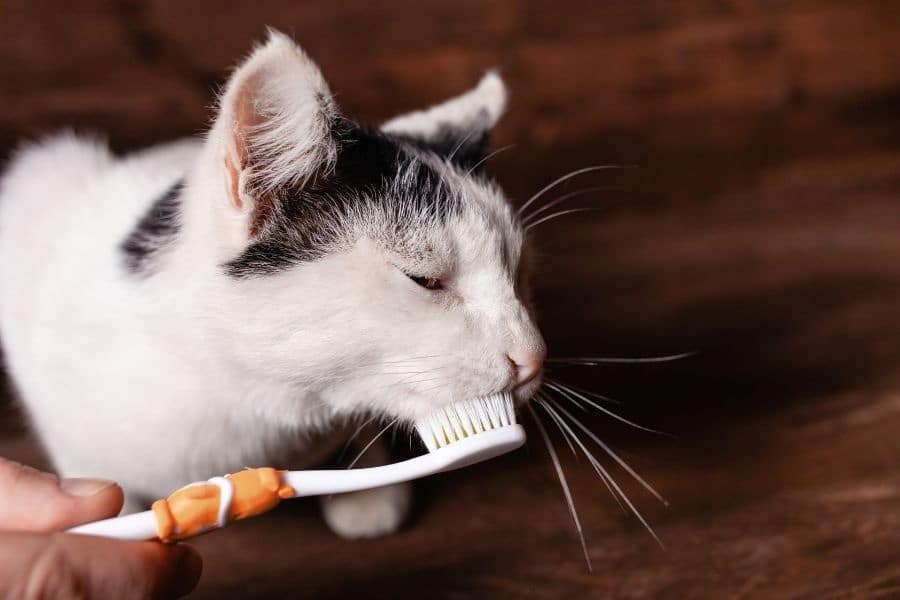
Sharing your home with a graceful feline companion brings an incredible amount of warmth, quiet comfort, and gentle companionship to your daily life. From the soothing rhythm of a purring cat curled in your lap to their curious exploration of every sunny windowsill, our feline friends easily secure a permanent place in our hearts. Most pet parents spend hours observing their habits, yet one vital area of pet care that many owners accidentally overlook or misunderstand is feline oral health. When veterinarians recommend a comprehensive dental procedure, a common question arises from caring owners: why are radiographs necessary when the visible crown of the tooth looks perfectly fine on the surface?
The reality of feline anatomy is that what you see above the gumline represents only a small fraction of the total tooth structure. Over 70 percent of a cat’s tooth lies completely hidden beneath the gum tissue and embedded in the jawbone. Without imaging technology, inspecting only the visible crown is like judging an iceberg by its tiny tip while ignoring everything lurking underneath the water. Utilizing advanced cat dental x-rays allows clinicians to uncover hidden conditions that would otherwise remain completely undetected until they cause severe pain. Here at Epic Tails Veterinary Clinic in Charlotte, our clinical team frequently guides local pet parents through the essentials of comprehensive cat dentistry. Let us explore what is truly hiding below your cat’s gumline and why diagnostic imaging is an indispensable part of modern veterinary care.
Understanding the Hidden Anatomy of a Cat’s Tooth
Cats are masters at masking physical pain and discomfort. In the wild, showing vulnerability makes an animal an immediate target for predators, a survival instinct that modern domestic cats retain to this day. Even when a cat is experiencing severe internal tooth root pain, broken roots, or chronic infection, they will often continue to eat, groom, and interact normally until the condition reaches an advanced stage.
When looking inside your cat’s mouth during a routine glance, you only observe the hard enamel crown protruding above the pink gums. However, the true foundation of the tooth extends deep into the jawbone structure. This hidden region houses the pulp cavity, blood vessels, and nerves. When bacteria infiltrate the gumline or periodontal disease takes hold, destructive processes begin attacking the bone and roots long before the outer enamel shows any outward signs of trouble. This makes comprehensive oral imaging an absolute necessity rather than an optional add-on during clinical treatments.
What Digital Dental Radiographs Reveal Beneath the Surface
Performing thorough diagnostic imaging during a dental procedure changes how veterinarians evaluate and treat oral disease. Standard visual exams can miss critical structural failures, whereas digital dental radiographs provide an immediate, high-resolution roadmap of the entire oral cavity.
Incorporating specialized feline oral imaging veterinary clinic near me standards uncovers several major hidden conditions:
- Tooth Resorptive Lesions: A painful, progressive condition unique to felines where the body actively breaks down and destroys tooth structure from the roots upward beneath the gumline.
- Hidden Root Abscesses: Bacterial infections trapped deep inside the jawbone surrounding tooth roots that cause chronic facial pain and systemic inflammation.
- Fractured Tooth Roots: Retained root fragments left behind from previous trauma or incomplete extractions that continue to cause inflammation and discomfort.
- Alveolar Bone Loss: Progressive deterioration of the jawbone supporting the teeth, which determines whether a tooth can be saved or requires safe extraction.
The Role of Safe Pet Anesthesia for Cat Dental Cleaning
A common worry among pet parents involves the use of anesthesia during professional dental treatments. Owners naturally feel anxious about putting their cat under, but modern veterinary medicine approaches anesthesia with rigorous safety protocols, individualized monitoring, and advanced physiological support systems.
Ensuring safe pet anesthesia for cat dental cleaning requires a meticulous, multi-step process tailored to your cat’s specific age, weight, and health history. Prior to any procedure, comprehensive blood panels evaluate internal organ function to ensure your cat can process medications smoothly. Throughout the dental procedure, dedicated veterinary technicians continuously monitor vital signs, including blood pressure, oxygen saturation, heart rate, and body temperature. Anesthesia is essential because it allows the veterinary team to safely position digital sensors inside the mouth, clean thoroughly beneath the gumline, and perform necessary extractions without causing your cat any fear, stress, or pain.
Connecting Home Oral Care with Professional Veterinary Diagnostics
While at-home dental hygiene, such as brushing or specialized dental diets, helps control surface plaque, it cannot address conditions developing deep within the jawbone. Combining consistent home observation with regular professional evaluations creates a complete protective shield for your cat’s long-term wellness.
When your veterinary team utilizes advanced imaging during routine prophylaxis, they catch silent issues early, preventing minor gum inflammation from evolving into severe systemic infections. Protecting your cat’s dental health directly safeguards their heart, kidneys, and overall vitality, ensuring they can enjoy crunchy kibble and comfortable mealtimes for years to come.
Partnering with Your Local Charlotte Animal Care Team
Navigating your companion’s healthcare journey is always easier when you have a dedicated group of professionals supporting your family. Blending diligent at-home care with advanced clinical diagnostics ensures your feline friend maintains a pain-free, healthy smile for life.
The staff at Epic Tails Veterinary Clinic loves welcoming local pet families through our doors in Charlotte. Whether you want to evaluate your cat’s current oral health, discuss preventive wellness plans, or schedule a comprehensive dental evaluation, our experienced team is here to help.
Ready to protect your cat’s oral health? Schedule your appointment online today through our convenient booking platform and let us partner in your pet’s ongoing care!
Frequently Asked Questions
Q1. Why are dental X-rays necessary if my cat’s teeth look clean and white on the outside?
Ans: Over seventy percent of a cat’s tooth structure lies hidden beneath the gumline, meaning X-rays are required to detect root abscesses, bone loss, and resorptive lesions hidden from view.
Q2. Are feline dental radiographs performed while the cat is awake or under anesthesia?
Ans: Dental radiographs are performed while the cat is safely under general anesthesia, ensuring precise sensor placement without causing pain, stress, or sudden movement.
Q3. What is a feline tooth resorptive lesion and why is it so painful?
Ans: A resorptive lesion is a common painful condition where the cat’s body breaks down tooth structure starting at the roots beneath the gums, exposing sensitive nerve endings.
Q4. How do modern veterinary clinics ensure anesthesia is safe for older cats?
Ans: Clinics ensure safety through pre-anesthetic blood testing, customized drug protocols, intravenous fluid support, and continuous electronic monitoring of vital signs by trained staff.
Q5. How often should adult cats receive a professional dental evaluation with radiographs?
Ans: Adult cats generally benefit from an annual professional dental evaluation and cleaning with full-mouth radiographs to catch hidden oral diseases in their earliest stages.

Schedule Your Pet’s Visit Today
For dedicated and professional veterinary care designed to meet your pet's specific needs, please schedule an appointment.