
🐾 Epic Tails Academy (Quarterly Event) • Learn More ›
The “Wait and See” Trap: When Urgent Care Is the Smarter Choice for Your Pet

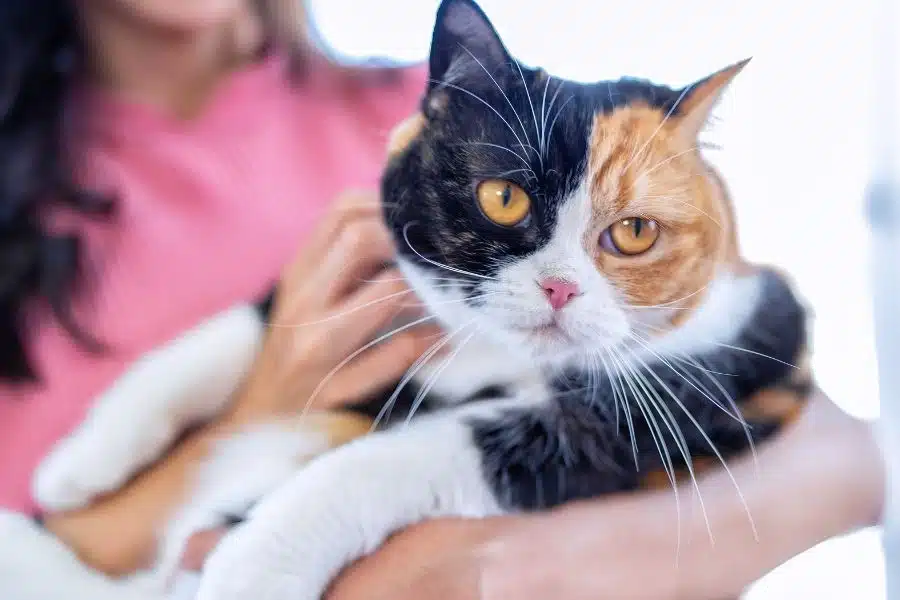
Every pet parent knows the subtle, silent language of their companion animal. You notice the tiny shifts immediately: a dog who normally bounds to the door suddenly hesitates to stand up, or a cat who routinely greets you for breakfast stays tucked away under the bed. In those quiet moments of uncertainty, a common dilemma arises: Should you wait a day to see if they bounce back, or is it time to seek prompt professional medical help?
It is entirely natural to hope that a restful night will solve the problem. However, adopting a wait-and-see mindset can inadvertently turn a minor, easily treatable health shift into a far more complicated internal issue. Because dogs and cats instinctively hide physical pain as an evolutionary survival mechanism, even mild outward symptoms can point to evolving health changes. Choosing urgent pet care bridges the gap between routine wellness checkups and high-intensity hospital settings, providing fast diagnostic answers and immediate pain relief for non-life-threatening conditions right when your companion needs it most.
The Subtle Signs: What Is Safe for Home Observation vs. What Demands Action?
Deciding how to respond when your pet seems unwell comes down to careful observation. While some minor hiccups can be monitored safely at home, other symptoms signal that intermediate clinical evaluation is necessary.
When Home First Aid Is Appropriate
If your companion displays any of the following minor signs while maintaining their usual bright, alert demeanor, monitoring them at home for a short period is generally safe:
- Minor, shallow surface scratches with zero active bleeding
- Temporary, localized skin itching without red patches, hives, or hair loss
- Mild tiredness that directly follows a full afternoon of heavy outdoor exercise
- A single, isolated stomach upset episode while the pet remains energetic and well-hydrated
When to Skip the Wait and Seek Intermediate Veterinary Evaluation
If your pet exhibits any of these persistent or acute signs, waiting for things to resolve on their own introduces unnecessary health risks:
- Persistent vomiting, loose stools, or a complete refusal to eat lasting beyond 12 to 24 hours
- Sudden, uncharacteristic limping, inability to bear weight on a leg, or joint swelling
- Acute facial swelling, red hives popping up across the belly, or sudden, relentless scratching
- Continuous head shaking, severe ear canal redness, or squinting with eye discharge
- Frequent, strained attempts to urinate or obvious signs of abdominal discomfort
Why the “Wait and See” Approach Can Backfire
Hoping that time alone will heal an acute symptom is a comforting thought, but stepping around early clinical intervention often leads to secondary complications that prolong your pet’s recovery journey.
Rapid Fluid Loss and Metabolic Stress
Gastrointestinal disruptions drain vital fluid reserves far faster than most pet parents realize. What begins as a mild bout of stomach upset can quickly escalate into fluid imbalance and metabolic strain. Once fluid levels drop significantly, companion animals become severely lethargic and require intravenous fluid therapy to regain their baseline health.
Trapped Bacteria and Deep Tissue Infection
Puncture wounds, torn skin edges, and split nails often look small or deceptively manageable on the surface. However, environmental bacteria get trapped beneath the skin layers. Without prompt professional flushing, deep tissue cleaning, and targeted medical therapy, trapped bacteria rapidly form painful abscesses that can compromise underlying muscles or joint structures.
Prolonged Pain and Systemic Stress
Living with unmanaged physical discomfort creates continuous physiological stress for your animal. Unrelieved pain elevates resting heart rates, disrupts restorative sleep, and suppresses normal immune responses. Providing swift relief stops the cycle of discomfort and allows your pet’s body to dedicate its full energy toward healing.
Point-of-Care Diagnostics: The Advantage of Choosing Urgent Vet Care
When unexpected health shifts occur, seeking urgent vet care gives clinical teams immediate access to advanced diagnostic tools that pinpoint the root cause of discomfort without long, stressful delays.
- In-House Blood Work Panels: Evaluates organ chemistry, kidney function, blood glucose, and inflammatory markers in fifteen minutes or less.
- Digital Radiography Imaging: Captures high-definition views of internal organ alignment, joint structures, and ingested foreign objects in real time.
- Microscopic Cytological Analysis: Examines skin scrapings, ear canal swab samples, or fluid collections on-site to identify bacterial or fungal involvement instantly.
Combining instant diagnostic feedback with targeted clinical treatments, such as fluid restoration, pet-safe pain management, or specialized prescription therapies, ensures that companion animals receive precise care during unexpected health dips.
Protecting Companion Animals Across Charlotte
Keeping your companion vibrant and healthy requires active daily observation and trusting your intuition whenever something feels off. Whether you are walking through local parks or relaxing at home, staying mindful of your pet’s gait, appetite, and energy levels allows you to act before minor concerns turn into major health obstacles.
If you are from Charlotte and looking for urgent vet care, taking swift action at the very first sign of acute distress gives your pet the best opportunity for a smooth, gentle recovery.
Providing timely medical attention when unexpected health changes occur protects your companion’s quality of life and strengthens the lifelong bond you share.
Taking the Next Step for Your Pet’s Comfort
When your dog or cat exhibits unexpected symptoms, minor physical injuries, or sudden discomfort, securing a prompt professional evaluation keeps their recovery moving in the right direction. You can schedule an online appointment through our portal to reserve a convenient evaluation time for your pet.
If your companion is actively displaying uncomfortable symptoms and you prefer to speak directly with our clinical staff before arriving, please call our team at 704-523-8015 so we can offer immediate guidance and prepare for your arrival.
Our compassionate medical team looks forward to supporting your family and providing exceptional care at Epic Tails Veterinary Clinic.
Frequently Asked Questions
Q1. How can I tell if my pet’s sudden tiredness is normal fatigue or a reason for care?
Ans: Normal fatigue typically follows energetic play or travel and improves after quiet rest. However, if your pet is unusually unresponsive, hides in quiet areas, refuses favorite treats, or shows changes in breathing or appetite, seek a prompt veterinary evaluation to identify potential internal discomfort or metabolic stress.
Q2. How long can an adult pet safely go without eating before seeking care?
Ans: An adult pet skipping a single meal while remaining alert and hydrated can usually be monitored for 12 to 24 hours. If loss of appetite persists past 24 hours, or affects a puppy, kitten, or senior pet, prompt veterinary care is recommended to prevent blood sugar drops and liver strain.
Q3. Why is a torn nail considered a condition that needs swift clinical attention?
Ans: A torn nail exposes the quick, which contains active blood vessels and sensitive nerve endings. Left untreated, walking on the exposed quick causes intense pain and easily introduces environmental bacteria into deeper tissues. Professional trimming, disinfection, and bandaging provide immediate pain relief and prevent deep tissue infections.
Q4. Can home remedies safely resolve a pet’s sudden skin or ear reaction?
Ans: No. Over-the-counter human ointments can be toxic if swallowed and may cause severe irritation inside the ear canal. Sudden facial swelling, hives, or ear redness require professional evaluation to halt the inflammatory response safely with animal-specific therapies, preventing secondary skin trauma or deep ear canal damage.
Q5. How should I prepare my pet for safe transport to the clinic?
Ans: Keep your vehicle cool, quiet, and well-ventilated. Place small dogs and cats in a secure, padded carrier lined with soft blankets, and gently support larger dogs when helping them into the vehicle. Speak in calm, reassuring tones and avoid offering food or water until a veterinarian performs an exam.


Schedule Your Pet’s Visit Today
For dedicated and professional veterinary care designed to meet your pet's specific needs, please schedule an appointment.