🐾 Epic Tails Academy (Quarterly Event) • Learn More ›
How to Set Up a Dog-Friendly Recovery Space After Surgery

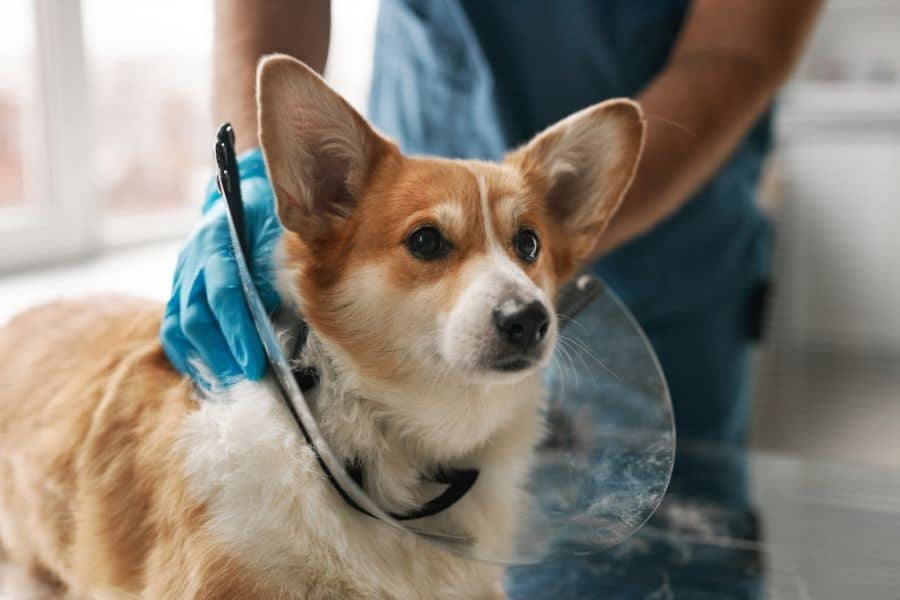
Helping a dog recover after a surgical procedure involves more than following medication instructions and attending follow-up visits. The home environment also plays an important role in supporting comfort, rest, and safe healing. A thoughtfully prepared recovery space can help reduce unnecessary movement, make daily care easier, and give your dog a familiar place to relax.
After dog surgery, pets may feel tired, uncomfortable, restless, or less interested in their usual activities. Creating a quiet, accessible area before bringing your dog home can make this transition easier. At Epic Tails Veterinary Clinic in Charlotte, understanding how home preparation supports recovery can help pet owners feel more confident about caring for their companions after veterinary surgery.
Why Your Dog Needs a Dedicated Recovery Space
Dogs often want to return to their regular routines as soon as they feel a little better. However, increased activity too early may interfere with healing, particularly after procedures involving the abdomen, joints, bones, or soft tissues. Jumping on furniture, running through the house, and climbing stairs can place unnecessary strain on the surgical site.
A dedicated recovery area provides a controlled environment where your dog can rest without constant stimulation. It also allows you to monitor eating, drinking, bathroom habits, medication schedules, and changes in behavior more easily.
The space does not need to be large or elaborate. It should be clean, comfortable, secure, and appropriate for your dog’s size, mobility, and temperament. Your veterinarian can recommend specific restrictions based on the procedure performed and your dog’s individual health needs.
Choose a Quiet and Accessible Location
Select an area of your home away from loud televisions, busy doorways, children’s play areas, and frequent foot traffic. Excessive noise and excitement may make it difficult for your dog to settle, especially during the first few days of recovery.
A ground-floor room is often helpful for dogs that should avoid stairs. If your dog usually sleeps upstairs, consider temporarily moving the sleeping area to a lower level. Carrying a recovering dog may be necessary in some cases, but ask your veterinarian how to lift and support your pet safely.
Choose a location where family members can check on the dog without repeatedly disturbing its rest. Keep the area away from drafts, direct heat sources, and extreme temperatures. Good ventilation and a comfortable room temperature help create a relaxing environment.
Prepare Comfortable and Supportive Bedding
Soft, clean bedding gives your dog a comfortable place to lie down while resting after surgery. Choose a bed that is easy to enter and leave without climbing over high sides. Dogs with limited mobility may benefit from a low-profile orthopedic bed or a supportive padded mat.
The bedding should be large enough for your dog to stretch out naturally. Avoid materials that bunch up easily or create an unstable surface, particularly if your pet has difficulty standing.
Keep extra blankets and washable covers nearby so you can replace bedding if it becomes wet or dirty. However, do not place thick blankets directly over a fresh surgical incision or allow bedding to rub against the affected area.
If your dog has been instructed to remain in a crate or recovery pen, make sure the bed fits comfortably without restricting movement. Follow your veterinary team’s recommendations about crate use, particularly if your dog becomes anxious in enclosed spaces.
Prevent Slipping, Jumping, and Unnecessary Movement
Flooring deserves special attention during recovery. Smooth tile, polished wood, and laminate can be slippery, potentially causing a recovering dog to lose balance. Place secure, nonslip rugs or traction mats along the route between the resting area and the bathroom exit.
Block access to stairs, sofas, beds, and other elevated surfaces when jumping or climbing is restricted. Use sturdy barriers to prevent your dog from wandering into rooms where activity cannot be supervised.
Baby gates may help limit movement, but they should be secure and positioned so your dog cannot jump over them. Keep toys that encourage chasing, tugging, or energetic play out of reach until your veterinarian approves their return.
Some dogs may need a crate or exercise pen to follow activity restrictions. The appropriate setup depends on the dog’s size, behavior, and procedure. Ask your veterinarian how much movement is permitted and whether supervised leash walks are appropriate during recovery.
Keep Food, Water, and Essential Supplies Nearby
Place clean water within easy reach so your dog does not need to walk far to drink. Food bowls should also be accessible, although you should follow your veterinarian’s instructions about when and how much to feed after anesthesia.
Some dogs may initially have a reduced appetite or mild nausea after a procedure. Offer food according to the discharge instructions rather than immediately returning to the usual feeding routine. Contact your veterinary team if your dog repeatedly vomits, cannot keep water down, or refuses food for the period specified in its discharge instructions.
Organize essential supplies in one convenient location. These may include prescribed medications, a leash, an appropriate recovery collar, clean bedding, waste bags, and written discharge instructions.
Never change medication doses or give human pain relievers unless specifically directed by your veterinarian. Keeping a simple record of medication times, meals, water intake, and bathroom habits can help you notice changes and communicate them clearly during follow-up care.
Protect the Surgical Site and Prevent Licking
Dogs may lick, chew, or scratch a healing incision because it feels unusual or uncomfortable. Unfortunately, this behavior can irritate the tissue, introduce bacteria, or damage stitches.
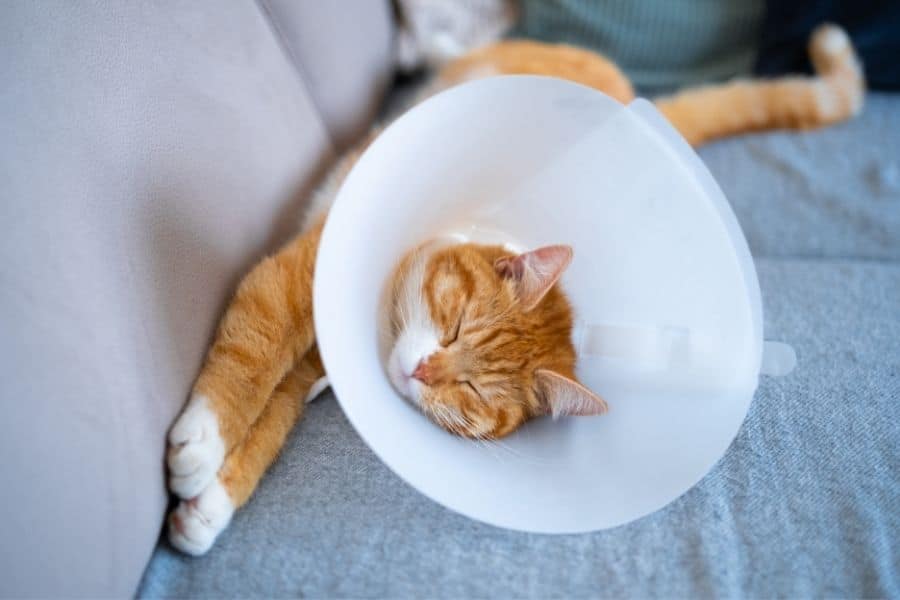
Your veterinary team may recommend an Elizabethan collar, recovery cone, or appropriately fitted recovery garment. Use the recommended protection consistently, including when your dog is resting, unless your veterinarian advises otherwise.
Check the incision as directed in your discharge instructions. Look for increasing redness, swelling, discharge, unpleasant odor, bleeding, or separation of the wound edges. Do not apply ointments, disinfectants, or home remedies unless your veterinarian approves them.
Keep the recovery area clean and dry. If your dog has restrictions on bathing or getting the incision wet, follow those instructions carefully. Contact your veterinary clinic if you notice concerning changes rather than waiting for the next scheduled appointment.
Make Bathroom Breaks Safe and Manageable
Bathroom routines may need temporary adjustments after dog surgery. Keep the leash close to the resting area and use a short, controlled route outside. Choose a nearby, familiar spot that does not require climbing steps or crossing uneven ground.
Follow your veterinarian’s guidance on how long walks should last and whether your dog needs physical support. Dogs recovering from orthopedic procedures may have different mobility restrictions from those recovering after dental or soft tissue procedures.
Avoid dog parks, crowded sidewalks, and interactions with energetic pets until your dog is cleared for normal activity. After each outing, check that your dog has not disturbed its incision and return it to the designated resting area.
If your dog struggles to urinate or defecate, repeatedly attempts without success, or develops other concerning symptoms, contact your veterinary team for advice.
Provide Calm Company Without Overstimulation
Rest does not mean your dog must feel isolated. Familiar voices, gentle attention, and quiet companionship can provide reassurance during recovery. Place the resting area where your dog can see a trusted family member without being exposed to constant activity.
Keep children informed about the importance of calm behavior around a recovering pet. Other household animals may need to be kept separate temporarily to prevent wrestling, chasing, or accidental pressure on the surgical site.
Choose quiet enrichment activities only if your veterinarian approves them. Depending on your dog’s restrictions, a familiar comfort item or a simple food puzzle may help reduce boredom. Avoid activities that encourage vigorous movement or require uncomfortable body positions.
Watch your dog’s behavior without assuming that increased energy means complete healing. Some procedures require activity restrictions for several weeks, even when a dog appears comfortable.
Follow Your Veterinary Team’s Recovery Instructions
Every procedure has different recovery requirements. A dog recovering from a minor skin procedure may need different support from one recovering after abdominal surgery or an orthopedic operation. The discharge instructions from your veterinary team should guide your home care routine.
Epic Tails Veterinary Clinic provides veterinary care for pets in Charlotte, and discussing home preparation with your veterinary team can help you understand what your dog needs after a procedure. Professional pet surgical services may include guidance on activity limits, incision monitoring, medication administration, feeding, and follow-up visits.
Contact your veterinarian if your dog develops worsening pain, unusual weakness, difficulty breathing, repeated vomiting, significant bleeding, or other concerning changes. Prompt veterinary guidance can help determine whether your dog needs an examination.
Schedule a Consultation With Epic Tails Veterinary Clinic
Preparing your home before a procedure can make post-operative care more organized and comfortable for both you and your dog. A quiet resting area, supportive bedding, safe flooring, accessible supplies, and appropriate activity restrictions all contribute to a more manageable recovery routine.
If your dog is scheduled for a procedure or you have questions about recovery after dog surgery, contact Epic Tails Veterinary Clinic in Charlotte. Ask the team about veterinary surgery preparation, post-operative instructions, and the home adjustments that may be appropriate for your pet. Schedule a consultation to discuss your dog’s needs and prepare for a safer, more comfortable recovery at home.
Frequently Asked Questions
Q1. How long should I keep my dog in a recovery space after surgery?
Ans: The recovery period depends on the procedure, your dog’s health, and your veterinarian’s instructions. Some dogs need only a short period of restricted activity, while others require several weeks of careful supervision. Continue restrictions until your veterinary team confirms that normal activity can safely resume.
Q2. Should I use a crate for my dog’s recovery after surgery?
Ans: A crate can help limit movement if your dog is comfortable in it and has enough room to rest naturally. However, it may not suit every dog or every procedure. Ask your veterinarian whether a crate, exercise pen, or small room is the most appropriate option.
Q3. What should I do if my dog keeps licking the incision?
Ans: Use the protective collar or recovery garment recommended by your veterinary team. Check that it fits correctly and prevents access to the surgical site. Contact your veterinarian if licking continues, the incision becomes irritated, or the wound appears damaged.
Q4. Can my dog sleep in my bed while recovering from surgery?
Ans: It is generally safer to avoid beds and other elevated furniture when jumping, climbing, or uncontrolled movement is restricted. Provide a comfortable bed at floor level instead. Follow your veterinarian’s guidance if your dog needs assistance with positioning or movement.
Q5. When should I contact the veterinarian during my dog’s recovery?
Ans: Contact your veterinary team if you notice worsening pain, increasing incision redness or swelling, unusual discharge, repeated vomiting, persistent refusal to eat, or difficulty urinating. Seek immediate veterinary guidance for breathing difficulties, collapse, significant bleeding, or rapidly worsening symptoms.
Schedule Your Pet’s Visit Today
For dedicated and professional veterinary care designed to meet your pet's specific needs, please schedule an appointment.