
🐾 Epic Tails Academy (Quarterly Event) • Learn More ›
What Happens Between a Cat’s Surgical Consultation and the Procedure?

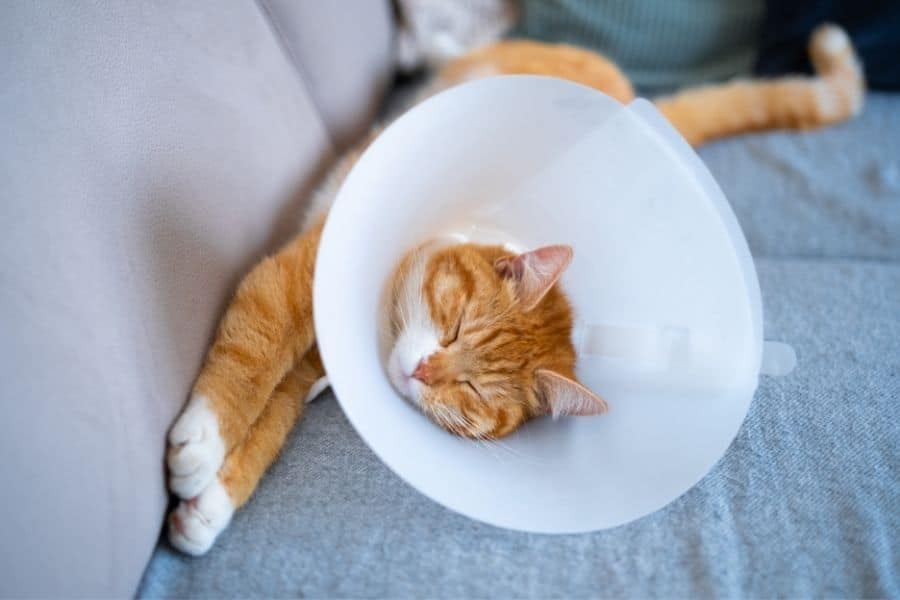
When your cat needs surgery, the period between the initial consultation and the procedure can bring many questions. What tests will be performed? What should your cat eat before surgery? How will the veterinary team prepare? What happens if something changes before the scheduled procedure?
Knowing what generally happens during this stage can make the process easier to understand. Cat surgery is not simply a procedure scheduled after a quick conversation. Veterinary teams typically use the time before surgery to gather information, evaluate your cat’s health, discuss the procedure, and create an appropriate plan for the day of surgery.
For cat owners in Charlotte, Epic Tails Veterinary Clinic can provide guidance throughout the surgical planning process. Understanding each stage of cat surgical care can also help you prepare your feline companion and know what questions to ask your veterinary team.
The Surgical Consultation Starts the Planning Process
The consultation gives your veterinarian an opportunity to understand why surgery may be recommended and whether it is appropriate for your cat.
Your veterinarian may review your cat’s medical history, current medications, previous procedures, appetite, behavior, and any symptoms that led to the surgical recommendation. A physical examination is also an important part of the consultation.
Depending on your cat’s situation, the veterinarian may discuss different treatment options and explain why surgery is being considered. This conversation is an opportunity to ask about the procedure, expected recovery, home care, and any preparation instructions.
The information gathered during this appointment helps the veterinary team develop a surgical plan suited to your cat.
Diagnostic Testing May Be Recommended
Before cat surgery, your veterinarian may recommend diagnostic testing. The specific tests depend on your cat’s age, health history, symptoms, and type of procedure being considered.
Laboratory testing can provide information about factors such as blood cell levels and organ function. Additional diagnostic tests may be appropriate if the veterinarian needs more information before proceeding.
These evaluations are useful because your cat’s outward appearance does not always provide a complete picture of their internal health. Diagnostic information can help the veterinary team understand whether additional considerations should be included in the surgical plan.
Not every cat requires the same testing. The veterinary team determines what is appropriate based on the individual patient.
Your Cat’s Medical History Matters
A complete medical history can help the veterinary team prepare for the procedure. Tell your veterinarian about medications, supplements, previous health problems, reactions to medications, and any recent changes in your cat’s behavior or appetite.
Even details that seem unrelated can sometimes be useful. For example, changes in eating, drinking, weight, activity, or litter box habits may provide additional information about your cat’s current health.
If your cat has records from another veterinary practice, make sure the relevant information is available to the veterinary team. Having a clear medical history supports informed planning and helps the veterinarian make decisions based on your cat’s individual circumstances.
The Veterinary Team Explains the Procedure
Another important part of the time before surgery is understanding what the procedure involves.
Your veterinarian can explain the general purpose of the surgery, what area of the body will be treated, and what you may expect during recovery. You can also ask questions about activity restrictions, feeding after the procedure, medications, incision care, and follow-up visits.
Understanding the plan can help you prepare your home before your cat returns. It also gives you an opportunity to clarify instructions rather than trying to remember everything on the day of the procedure.
Do not hesitate to ask questions. Good communication is an important part of effective cat surgical care.
Pre-Surgery Instructions Are Important
Your veterinary team may provide specific instructions for the period before your cat’s procedure. These instructions can vary depending on the type of surgery and your cat’s individual health needs.
You may receive guidance about food, water, medications, arrival time, and transportation. Follow the instructions provided by your veterinary team carefully.
If your cat does not follow the expected preparation plan, contact the veterinary practice and let them know. Do not make assumptions about whether the procedure can proceed without discussing the situation with the veterinary team.
Following pre-surgical instructions helps the team work from the information they used when planning your cat’s procedure.
The Surgical Plan Is Based on Your Cat
There is no single preparation routine that applies to every feline patient. A young, otherwise healthy cat may have different considerations from an older cat with an existing medical condition.
The type of surgery also influences planning. Different procedures have different requirements for preparation, monitoring, pain management, and recovery.
Your veterinarian considers these factors when creating the surgical plan. This individualized approach is an important part of responsible veterinary care.
The goal is to make decisions based on your cat rather than simply following a generic checklist.
What Happens on the Day of Cat Surgery?
When you bring your cat to the veterinary practice, the team may review the surgical plan and confirm relevant information before the procedure.
Your cat may receive another assessment to make sure there have been no significant changes since the consultation. The veterinary team may also review medications and other instructions.
Before proceeding, the team prepares your cat according to the planned procedure. Throughout this process, veterinary professionals monitor the patient and follow established protocols appropriate for the surgery.
The exact sequence can vary depending on the procedure, your cat’s condition, and the veterinary practice’s protocols.
Communication Continues After the Procedure
The relationship between the veterinary team and pet owner does not end when surgery is completed. Once the procedure is finished, you will generally receive information about how your cat is doing and what care will be needed at home.
Your veterinarian can provide instructions regarding medications, feeding, activity, incision monitoring, and follow-up care when applicable.
Make sure you understand which signs should prompt you to contact the veterinary practice. If you are uncertain about something during recovery, asking the veterinary team is preferable to guessing.
Clear communication is an important part of successful cat surgical care.
Preparing Your Home Before Surgery
One practical way to make recovery easier is to prepare your home before the procedure.
Depending on the surgery, your cat may need a quiet area where they can rest without excessive jumping or activity. Keep necessary supplies nearby and make sure food, water, and litter facilities are easily accessible.
If your cat lives with other pets, consider whether they need to be separated temporarily during recovery. Your veterinarian can provide guidance based on the procedure and your cat’s specific needs.
Preparing ahead of time can reduce stress for both you and your cat once they return home.
Why the Consultation to Surgery Period Matters
The time between a surgical consultation and the procedure serves an important purpose. It gives the veterinary team an opportunity to gather information, evaluate your cat’s health, discuss the planned treatment, and provide preparation instructions.
It also gives you time to understand the procedure and prepare for your cat’s recovery.
At Epic Tails Veterinary Clinic, cat owners in Charlotte can discuss surgical concerns with their veterinary team and learn more about the steps involved in planning cat surgery. Every patient is different, so your veterinarian can provide instructions that are specific to your cat and the procedure being considered.
Rather than viewing the waiting period as simply time between appointments, think of it as an important part of the overall surgical process.
Schedule a Cat Surgical Consultation
If your cat has been recommended for surgery or you have questions about whether a surgical procedure may be appropriate, consider scheduling an online appointment with Epic Tails Veterinary Clinic in Charlotte.
A consultation gives you an opportunity to discuss your cat’s condition, understand potential treatment options, ask questions about cat surgery, and learn how to prepare for the procedure.
Taking time to understand each stage of cat surgical care can help you feel more prepared and give your cat the support they need before and after their procedure.
Frequently Asked Questions
Q1. Why is a consultation needed before cat surgery?
Ans: A consultation allows the veterinarian to review your cat’s medical history, perform a physical examination, discuss the reason for surgery, and determine what preparation or diagnostic evaluation may be appropriate.
Q2. Will my cat need testing before surgery?
Ans: Testing may be recommended depending on your cat’s age, health history, symptoms, and the type of procedure. Your veterinarian will determine which evaluations are appropriate for your individual cat.
Q3. What should I tell my veterinarian before my cat’s procedure?
Ans: Tell your veterinarian about current medications, supplements, previous health conditions, past procedures, changes in appetite or behavior, and any other recent health changes you have noticed.
Q4. Can I feed my cat normally before surgery?
Ans: Pre-surgical feeding instructions can vary depending on the procedure and your cat’s individual circumstances. Follow the specific instructions provided by your veterinary team and contact them if you are unsure about anything.
Q5. How can I prepare my home for my cat’s recovery?
Ans: Set up a quiet, comfortable area where your cat can rest and follow the activity, feeding, medication, and incision care instructions provided by your veterinary team. If you have other pets, ask whether temporary separation is appropriate.



Schedule Your Pet’s Visit Today
For dedicated and professional veterinary care designed to meet your pet's specific needs, please schedule an appointment.