
🐾 Epic Tails Academy (Quarterly Event) • Learn More ›
Urgent Veterinary Care for Dog Ear Infections: Recognizing Early Warning Signs

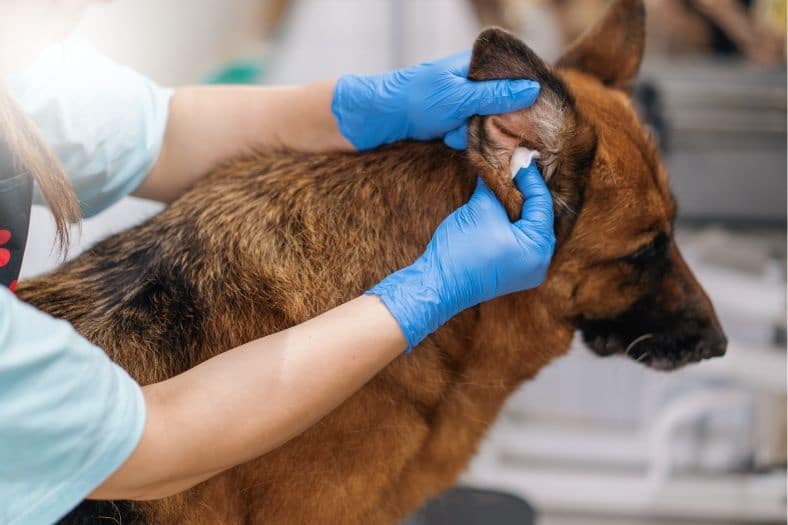
Dog ear infections are a common health concern that can cause discomfort, irritation, and significant pain if left untreated. Although occasional scratching or head shaking may seem harmless, repeated symptoms can indicate an underlying ear problem that requires professional attention. Recognizing the early warning signs can help pet owners seek timely treatment and prevent complications that may affect their dog’s hearing and overall well-being.
For dog owners in Charlotte, understanding the symptoms of ear infections is an important part of responsible pet care. Whether your dog enjoys outdoor activities, swimming, or spending time at the park, several factors can contribute to ear irritation and infection.
Epic Tails Veterinary Clinic understands the importance of identifying health concerns early and providing appropriate veterinary attention. Knowing when your pet needs urgent pet care can make a meaningful difference in protecting its comfort and long-term health.
What Causes Dog Ear Infections?
Dog ear infections, medically known as otitis, occur when inflammation and microbial growth affect the ear canal. Bacteria and yeast are common causes, although allergies, parasites, excess moisture, and foreign objects can also contribute to ear problems.
Some dogs are more susceptible to ear infections because of their ear structure, lifestyle, or underlying health conditions.
Here are some common contributing factors.
1. Excess Moisture: Dogs that frequently swim or receive regular baths may develop moisture buildup inside their ears. A warm and damp environment can encourage bacterial and yeast growth.
2. Allergies: Environmental and food-related allergies can trigger inflammation inside the ear canal. Dogs experiencing recurring skin irritation may also develop repeated ear problems.
3. Ear Shape: Dogs with floppy ears, narrow ear canals, or excessive hair around their ears may experience reduced airflow and increased moisture retention.
4. Parasites: Ear mites and other parasites can irritate delicate ear tissues, causing itching, inflammation, and secondary infections.
5. Improper Ear Cleaning: Excessive cleaning or using unsuitable products can damage sensitive ear tissues and make existing irritation worse.
Identifying the underlying cause is essential because treating visible symptoms alone may not prevent recurring infections.
7 Early Warning Signs of Dog Ear Infections
Understanding the symptoms of dog ear infections can help you recognize when your companion needs veterinary attention. The following warning signs should never be ignored.
1. Frequent Head Shaking
Occasional head shaking is normal, especially after swimming or bathing. However, repeated or excessive head shaking may indicate irritation, trapped moisture, inflammation, or an ear infection.
If your dog frequently shakes its head throughout the day, arrange a veterinary examination. Excessive shaking can also cause an ear hematoma, a condition in which damaged blood vessels lead to swelling inside the ear flap.
2. Persistent Ear Scratching
Repeated scratching around the ears is another common warning sign. Dogs experiencing ear discomfort may rub their heads against furniture, scratch with their paws, or drag their ears along the floor.
Although scratching may initially appear minor, excessive irritation can cause skin injuries, bleeding, and additional inflammation.
If your dog cannot stop scratching, consult a veterinarian instead of attempting to treat the problem at home.
3. Unpleasant Ear Odor
A healthy dog’s ears should not produce a strong or foul smell. A noticeable sour, musty, or unpleasant odor may indicate excessive microbial growth or an underlying infection.
Some infections produce a particularly noticeable smell even before other symptoms become obvious.
Do not ignore unusual ear odors, even if your dog appears comfortable. A veterinary examination can help determine the cause.
4. Redness and Swelling
Healthy ear canals generally have a natural pink appearance without significant inflammation.
Redness, warmth, swelling, or tenderness can indicate an infection or allergic reaction. You may also notice your dog pulling away when someone attempts to touch its ears.
Avoid repeatedly handling an irritated ear because this can increase discomfort. Arrange a professional examination to identify the underlying issue.
5. Unusual Ear Discharge
Brown, yellow, dark, or pus-like discharge can be associated with different types of ear problems.
Some dogs may also develop excessive wax buildup, crusting, or visible debris around the ear opening.
The appearance of discharge alone cannot reliably identify the cause. A veterinarian may need to collect an ear sample and examine it under a microscope to determine whether bacteria, yeast, or parasites are involved.
Avoid inserting cotton swabs or other objects deep into the ear canal.
6. Head Tilting and Balance Problems
A persistent head tilt can be a particularly concerning symptom. It may indicate that inflammation or infection has affected the middle or inner ear.
Other warning signs may include:
- Difficulty walking or standing.
- Walking in circles.
- Unusual eye movements.
- Stumbling or falling.
- Vomiting accompanied by balance problems.
These symptoms require immediate veterinary attention because deeper ear involvement can affect balance and hearing.
7. Pain and Behavioral Changes
Dogs experiencing ear pain may become unusually quiet, irritable, restless, or reluctant to play.
Some pets may avoid having their heads touched, whine when their ears are handled, or show reduced interest in everyday activities.
Behavioral changes should never be dismissed when they occur alongside ear-related symptoms. Your dog may be experiencing discomfort that requires professional assessment.
When Does Your Dog Need Urgent Pet Care?
Not every ear infection requires emergency treatment, but certain symptoms should never be delayed.
Contact a veterinary professional promptly if your dog develops persistent head shaking, unusual discharge, unpleasant odor, redness, swelling, or noticeable ear pain.
Seek immediate emergency veterinary attention if your dog experiences:
- Sudden loss of balance.
- Severe or persistent head tilting.
- Difficulty standing or walking.
- Significant bleeding or swelling.
- Severe pain or distress.
- Repeated vomiting accompanied by balance problems.
Early intervention can help prevent complications such as chronic inflammation, damage to ear structures, and possible hearing problems.
If you have been searching online for a veterinarian near me, look for a veterinary team that can properly examine the ear canal, identify the underlying cause, and recommend appropriate treatment.
How Are Dog Ear Infections Diagnosed?
A proper diagnosis involves more than simply examining the outside of the ear.
During an appointment, the veterinarian may review your dog’s medical history, current symptoms, previous ear problems, and possible exposure to allergens or moisture.
Several diagnostic methods may be used.
Otoscope Examination: A specialized instrument allows the veterinarian to inspect the ear canal, identify inflammation, and check for foreign objects or other abnormalities.
Ear Swab Testing: A small sample of ear debris may be collected and examined under a microscope to identify bacteria, yeast, or parasites.
Additional Diagnostic Testing: Dogs experiencing recurring or complicated infections may require further testing to investigate underlying conditions.
Once the cause has been identified, the veterinarian can recommend a treatment plan based on your dog’s individual condition.
Treatment Options for Dog Ear Infections
Treatment depends on the infection’s cause, location, and severity.
Veterinarians may recommend prescription ear drops, medications to manage inflammation, professional ear cleaning, or oral medication when necessary.
If allergies or another underlying health condition contribute to recurring infections, addressing that problem is also important.
Always follow your veterinarian’s instructions regarding medication dosage, application, and treatment duration. Stopping treatment as soon as symptoms improve may allow the infection to return.
Never use leftover medication, human ear drops, vinegar mixtures, alcohol, or hydrogen peroxide unless specifically recommended by your veterinarian. Some substances can irritate inflamed tissues or cause complications if the eardrum is damaged.
How Can You Prevent Recurring Ear Infections?
Although not every infection can be prevented, maintaining a consistent ear care routine can help reduce certain risk factors.
Consider following these practical recommendations:
- Inspect your dog’s ears regularly for redness, odor, discharge, and swelling.
- Gently dry the outer ears after swimming or bathing.
- Use only veterinarian-approved ear cleaning products.
- Avoid inserting cotton swabs deep into the ear canal.
- Discuss recurring allergies and skin irritation with your veterinarian.
- Schedule routine veterinary examinations.
- Follow professional recommendations for dogs with a history of recurring infections.
A regular pet wellness exam can help identify developing health concerns before they become more complicated.
Dogs with recurring ear problems may benefit from an individualized ear care routine based on their breed, medical history, and lifestyle.
Why Regular Veterinary Examinations Matter
Preventive veterinary care plays an important role in identifying health problems before they significantly affect your pet’s quality of life.
During a pet wellness exam, a veterinarian can evaluate your dog’s ears, skin, eyes, teeth, and general physical condition. These examinations also provide an opportunity to discuss changes in behavior, eating habits, activity levels, and other potential warning signs.
Regular checkups are particularly important for dogs with floppy ears, known allergies, or a history of recurring infections.
Pet owners should remember that early symptoms are not always easy to recognize. Professional examinations can help identify concerns that may not be immediately visible at home.
Protect Your Dog’s Ear Health With Timely Veterinary Attention
Your dog’s ears play an important role in hearing, balance, and everyday comfort. Ignoring persistent scratching, head shaking, unusual odors, or discharge can allow a manageable condition to become more painful and complicated.
Understanding the warning signs of dog ear infections helps you make informed decisions about your companion’s health. When symptoms appear, seeking professional veterinary guidance is always a better approach than relying on home remedies or delaying treatment.
With consistent monitoring, preventive care, and timely examinations, you can help your dog maintain healthy ears and enjoy a more comfortable life.
Schedule a Veterinary Appointment Today
Has your dog been scratching its ears, shaking its head frequently, or showing signs of discomfort? Do not wait for the symptoms to become more severe.
Schedule an appointment online with Epic Tails Veterinary Clinic to discuss your dog’s symptoms and receive professional veterinary guidance. Early evaluation can help identify the underlying problem and determine the appropriate treatment.
For appointment assistance or additional information, contact the clinic by phone.
Your dog’s comfort and well-being deserve timely attention. For assistance or appointment inquiries, call: 704-523-8015
Taking action when early warning signs appear can help protect your dog’s comfort, hearing, and quality of life.
Frequently Asked Questions
Q1. What are the first signs of dog ear infections?
Ans: The first signs often include frequent head shaking, persistent scratching, redness, unusual ear odor, and increased discharge. If these symptoms appear, arrange a veterinary examination to identify the underlying cause.
Q2. Can dog ear infections go away without treatment?
Ans: Most ear infections require veterinary evaluation and appropriate treatment. Waiting can allow inflammation and infection to worsen, potentially leading to chronic discomfort, deeper ear problems, and hearing complications.
Q3. When should I seek urgent pet care for my dog’s ear infection?
Ans: Seek prompt veterinary attention if your dog experiences persistent head shaking, unusual discharge, swelling, or pain. Head tilting, loss of balance, difficulty walking, or severe distress require immediate emergency veterinary attention.
Q4. How often should I clean my dog’s ears?
Ans: Ear cleaning frequency depends on your dog’s breed, ear structure, lifestyle, and medical history. Ask your veterinarian to recommend a suitable cleaning schedule and appropriate products.
Q5. Can a pet wellness exam help prevent recurring dog ear infections?
Ans: Yes. A pet wellness exam allows the veterinarian to evaluate ear health, identify potential underlying conditions, and recommend preventive care. Regular examinations can help detect developing problems before they become more complicated.

Schedule Your Pet’s Visit Today
For dedicated and professional veterinary care designed to meet your pet's specific needs, please schedule an appointment.