
🐾 Epic Tails Academy (Quarterly Event) • Learn More ›
How to Clean Your Dog’s Teeth: A Beginner’s Guide for Pet Owners

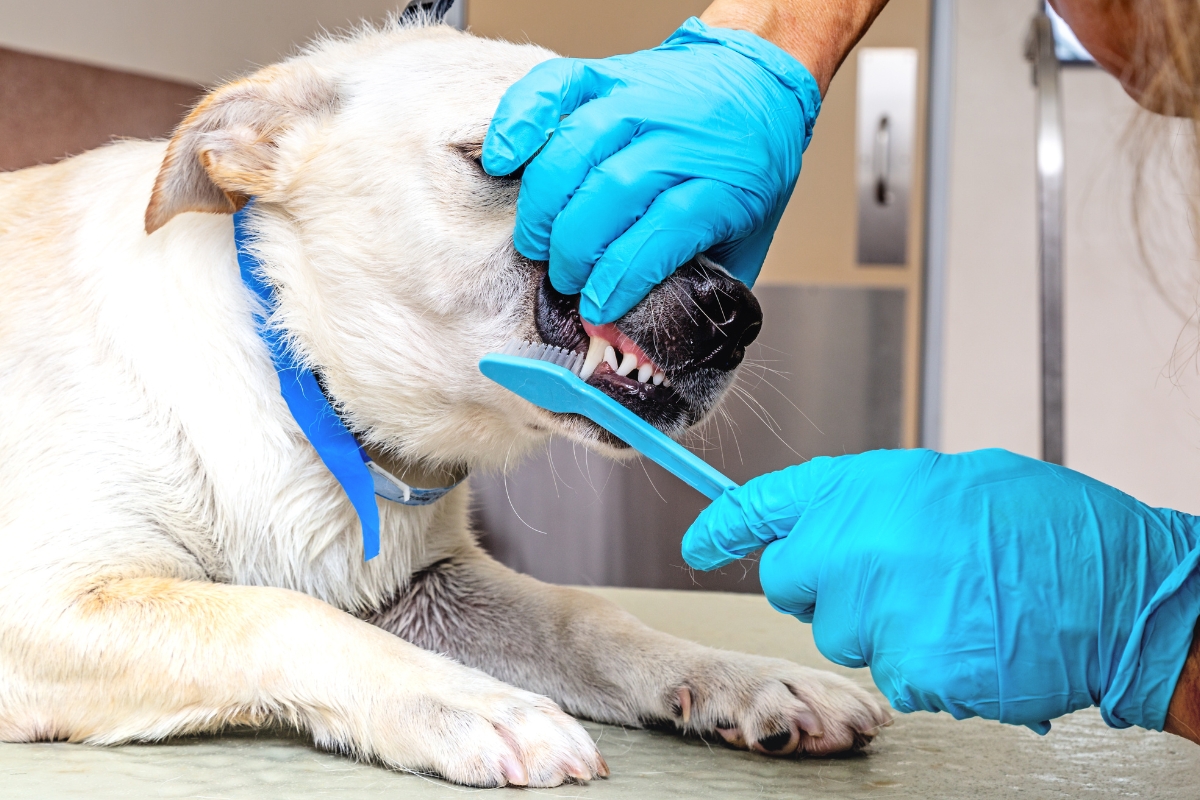
As a dog owner, you want your furry friend to live a long, happy life—and dental care plays a huge role in making that happen. Just like humans, dogs can suffer from dental diseases such as plaque buildup, gum infections, and tooth decay. Unfortunately, dental care is often overlooked in pet routines. The good news? You can prevent most oral health issues by simply learning how to clean your dog’s teeth at home.
In this guide, you’ll discover easy, vet-approved steps to care for your dog’s teeth—even if you’re just starting out.
Why Is Dog Dental Care Important?
First and foremost, let’s talk about why dental care matters. According to veterinarians, over 80% of dogs show signs of dental disease by the age of three. Poor dental hygiene can lead to:
- Painful gum infections (gingivitis)
- Tooth loss
- Bad breath (halitosis)
- More serious health issues like heart, liver, or kidney disease
Fortunately, with a little effort, you can avoid these problems and help your dog live a longer, healthier life.
What You’ll Need to Clean Your Dog’s Teeth
Before you begin, gather the right supplies. Here’s a basic list:
- Dog toothbrush: These have soft bristles and angled handles for easier access.
- Dog toothpaste: Never use human toothpaste. Look for enzymatic toothpaste made specifically for dogs.
- Dental wipes (optional): Useful for in-between brushing days.
- Treats and praise: Positive reinforcement goes a long way.
Step-by-Step Guide to Brushing Your Dog’s Teeth
Brushing your dog’s teeth might seem intimidating, but with patience and practice, it becomes a routine activity. Follow these steps:
1. Choose the Right Time and Setting
Pick a calm time of day when your dog is relaxed. A quiet room without distractions works best. Make sure your dog is comfortable and can’t easily walk away.
2. Introduce the Toothbrush and Toothpaste
Let your dog sniff and taste the toothpaste first. Most dog toothpastes come in flavors like chicken or peanut butter to make them more appealing.
3. Lift the Lips Gently
Use your hand to lift your dog’s lips and expose the teeth and gums. Speak in a soothing voice to keep your dog calm.
4. Start with the Front Teeth
Begin by brushing the front teeth in small, circular motions. Gradually work your way to the back teeth. Focus on the outer surfaces, where plaque tends to build up.
5. Keep Sessions Short and Positive
Don’t worry about brushing every single tooth the first few times. Aim for 30 seconds to 1 minute and gradually increase as your dog becomes more comfortable.
6. Reward Your Dog
After each session, reward your dog with praise, petting, or a small treat. This helps build a positive association with tooth brushing.
How Often Should You Brush Your Dog’s Teeth?
Ideally, you should brush your dog’s teeth daily. However, even 2–3 times a week can significantly reduce plaque and tartar buildup. Consistency is key. Pair brushing with other dental care options like:
- Dental chews
- Water additives
- Professional cleanings
Alternatives to Brushing
Not all dogs tolerate brushing. If that’s the case, don’t give up—try these alternatives:
- Dental chews: They help scrape off plaque while your dog chews.
- Dental toys: Designed to clean teeth during play.
- Oral sprays or gels: These fight bacteria and freshen breath.
- Veterinary dental cleanings: Recommended at least once a year.
Caring for your dog’s teeth is a crucial part of responsible pet ownership. While it might take some time and patience, the benefits far outweigh the effort. By following this beginner’s guide, you’ll be well on your way to maintaining your dog’s dental health and preventing costly vet bills.
If you live in the area and need professional help, consider scheduling an appointment for dog dental care in Charlotte, NC. Regular cleanings combined with at-home care will give your furry friend a lifetime of healthy smiles.
FAQs
Q1. Can I use human toothpaste for my dog?
Ans. No. Human toothpaste contains ingredients like fluoride and xylitol that are toxic to dogs. Always use toothpaste formulated for pets.
Q2. How often should I get my dog’s teeth professionally cleaned?
Ans. Most vets recommend a professional cleaning once a year, but some dogs may need it more often based on their breed, age, and dental health.
Q3. What breeds are more prone to dental issues?
Ans. Small breeds like Chihuahuas, Yorkies, and Dachshunds are more prone to dental problems due to crowded teeth and smaller mouths.
Q4. What if my dog refuses to let me brush their teeth?
Ans. Start slowly, use positive reinforcement, and try alternatives like dental chews or wipes. If necessary, consult a trainer or vet for help.
Q5. Are dental chews enough to clean my dog’s teeth?
Ans. Dental chews help reduce plaque, but don’t replace brushing. They work best as part of a comprehensive dental care routine.
Q6. How can I make tooth brushing less stressful for my dog?
Ans. Create a calm environment, keep sessions short, use flavored toothpaste, and reward your dog consistently.
Schedule Your Pet’s Visit Today
For dedicated and professional veterinary care designed to meet your pet's specific needs, please schedule an appointment.