
🐾 Epic Tails Academy (Quarterly Event) • Learn More ›
Caring for Your Senior Dog: Essential Tips for Healthy Aging


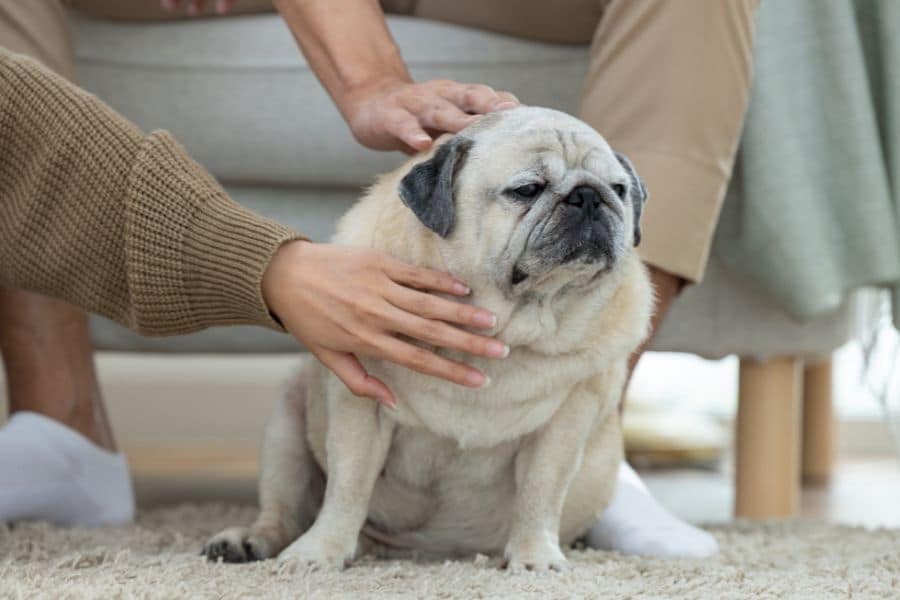
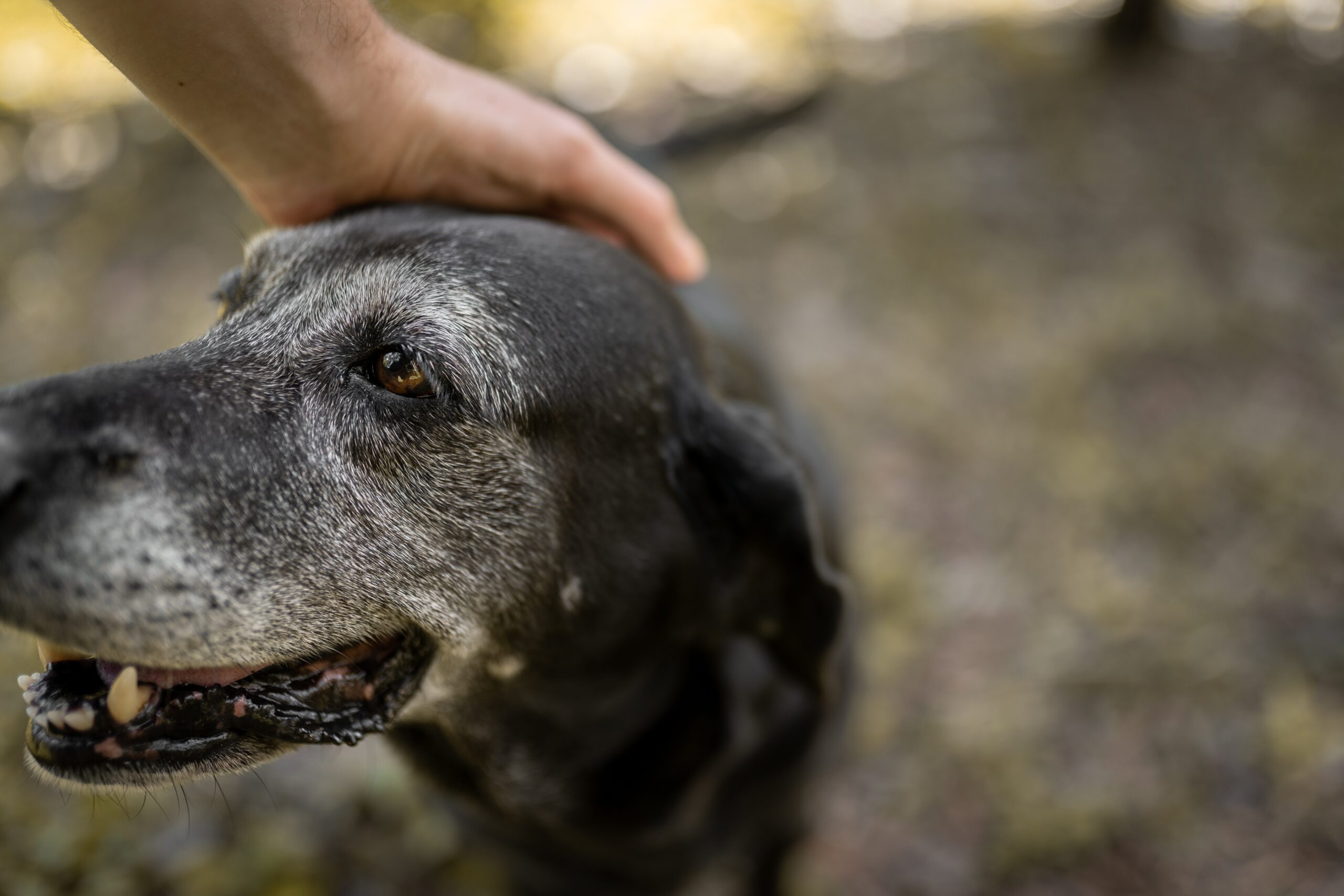
As our beloved dogs grow older, their needs evolve, and caring for a senior dog requires a thoughtful and dedicated approach. Just like humans, senior dogs face changes in their bodies and minds, which call for adjustments in their care routine. Fortunately, with the right knowledge and attention, you can help your furry friend enjoy their golden years in comfort and good health. In this blog post, we’ll explore essential tips for healthy aging in senior dogs, ensuring they remain happy companions for years to come.
Recognizing the Signs of Aging in Dogs
Firstly, it’s important to recognize the signs that indicate your dog is entering their senior years. Generally, dogs are considered seniors around the age of 7, but this varies depending on breed and size. Large breeds tend to age faster, while smaller breeds often live longer. Common signs of aging include:
- Reduced energy and activity levels
- Stiffness or limping
- Changes in appetite
- Weight fluctuations
- Cloudy eyes or vision problems
- Behavioral changes such as increased anxiety or confusion
By staying alert to these changes, you can adapt your care to better suit your dog’s needs.
Maintain a Balanced Diet for Optimal Health
Nutrition plays a crucial role in the health of senior dogs. As metabolism slows down, their dietary requirements change. Feeding a balanced diet tailored for older dogs helps maintain a healthy weight and supports vital organs. Look for high-quality senior dog foods rich in:
- Lean proteins to support muscle mass
- Omega-3 fatty acids for joint health and cognitive function
- Antioxidants to boost the immune system
- Fiber to aid digestion
Additionally, consult your veterinarian before making any dietary changes. They may recommend supplements or special diets depending on your dog’s specific health conditions.
Keep Your Senior Dog Active with Gentle Exercise
Although senior dogs may not have the same stamina as they once did, regular exercise remains essential. Exercise helps maintain muscle tone, joint flexibility, and mental stimulation. Engage your dog in gentle activities like short walks, swimming, or low-impact play. Importantly, always tailor exercise to their comfort level, avoiding strenuous activities that could cause injury.
Schedule Regular Veterinary Check-Ups
Routine veterinary visits become increasingly important as your dog ages. Annual or biannual check-ups allow your vet to monitor your dog’s health closely, detect early signs of illness, and update vaccinations or treatments. Common health issues in senior dogs include arthritis, dental disease, kidney problems, and vision or hearing loss.
During these visits, don’t hesitate to discuss any concerns or changes you’ve noticed in your dog’s behavior or physical condition. Early detection and treatment can significantly improve the quality of life.
Focus on Dental Care
Dental health often gets overlooked, but it is vital for senior dogs. Poor dental hygiene can lead to painful infections, tooth loss, and systemic diseases affecting the heart, kidneys, or liver. Brush your dog’s teeth regularly with pet-safe toothpaste and consider professional dental cleanings as recommended by your vet.
Create a Comfortable Living Environment
Senior dogs may need extra comfort in their living space. Provide a soft, supportive bed to ease joint pain and ensure their resting area is warm and draft-free. Moreover, consider ramps or steps to help your dog access favorite spots without jumping or climbing, which can strain aging joints.
Monitor Mental Health and Provide Stimulation
Just as physical health changes with age, so does mental health. Senior dogs can experience cognitive decline, resulting in confusion or anxiety. To keep your dog’s mind sharp, provide puzzle toys, training sessions, and plenty of interaction. Maintain a consistent routine to reduce stress and help them feel secure.
Pay Attention to Weight Management
Obesity is a common problem in older dogs, exacerbating joint pain and increasing the risk of other diseases like diabetes and heart conditions. Regularly monitor your dog’s weight and adjust food portions and exercise accordingly. Your vet can help create a weight management plan tailored to your dog’s needs.
In conclusion, caring for your senior dog involves a blend of attentive health monitoring, tailored nutrition, gentle exercise, and creating a comfortable environment. By implementing these essential tips, you can significantly enhance your dog’s quality of life during their golden years. Remember, aging gracefully is possible with the right care and attention.
Conveniently located in Charlotte, NC, if you are looking for senior dog care near me, then Epic Tails Veterinary Clinic is the best choice for you. Our compassionate team specializes in senior pet care, providing expert support to keep your furry friend healthy and happy.
FAQs About Caring for Senior Dogs
Q1. At what age is a dog considered a senior?
Ans. Generally, dogs are considered senior around 7 years of age, though this varies by breed and size. Larger breeds tend to age faster than smaller breeds.
Q2. What are common health problems in senior dogs?
Ans. Senior dogs often face arthritis, dental disease, kidney issues, vision and hearing loss, and cognitive decline.
Q3. How often should I take my senior dog to the vet?
Ans. It is recommended to have veterinary check-ups at least once or twice a year for senior dogs to catch health issues early.
Q4. Should I change my dog’s diet as they age?
Ans. Yes, senior dogs benefit from diets with adjusted calorie levels, added joint support nutrients, and antioxidants to support overall health.
Q5. How much exercise does a senior dog need?
Ans. Senior dogs require regular but gentle exercise, such as short walks or swimming, adjusted to their comfort and mobility levels.
Q6. How can I help manage my senior dog’s weight?
Ans. Monitor their food intake carefully, provide balanced nutrition, and ensure regular physical activity. Consult your vet for personalized advice.

Schedule Your Pet’s Visit Today
For dedicated and professional veterinary care designed to meet your pet's specific needs, please schedule an appointment.