
🐾 Epic Tails Academy (Quarterly Event) • Learn More ›
Easy Ways to Boost Your Senior Cat’s Health

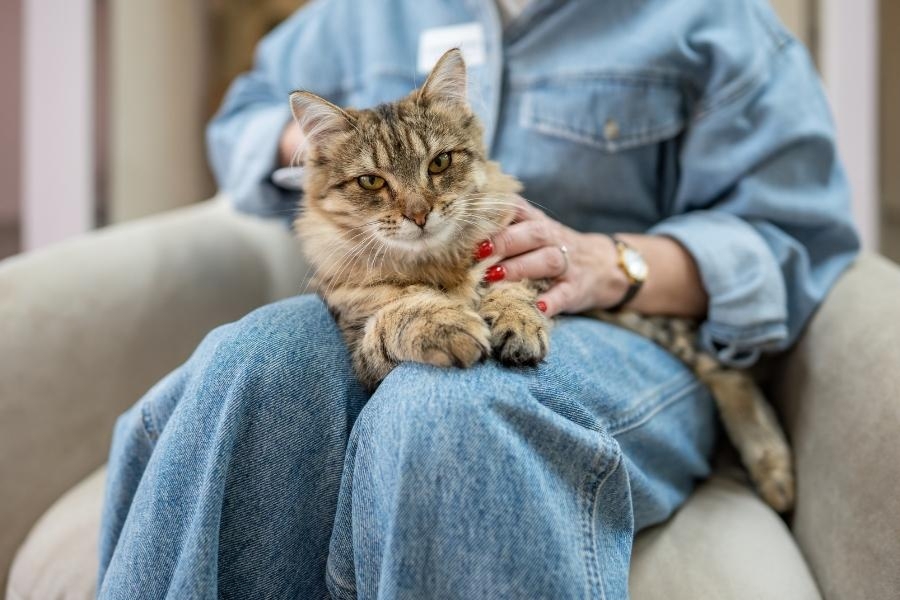
As your feline companion gracefully enters its golden years, you can support its vitality and happiness more than ever before. Fortunately, boosting your senior cat’s health doesn’t require complicated steps—just consistent, thoughtful care. In this post, you’ll explore easy, practical strategies that improve mobility, reduce discomfort, and enhance quality of life. Moreover, you’ll find expert‑inspired tips that help your older cat thrive day by day.
1. Prioritize Balanced, Senior‑Formula Nutrition
First of all, you should choose a high‑quality senior cat food formulated for aging needs. These foods tend to contain adapted protein levels, joint‑support nutrients like glucosamine, and lower calorie density to prevent weight gain. Furthermore, senior kitties may experience dental issues that make kibble hard to chew. Therefore, mixing wet food or applying warming techniques can make meals easier and more appealing.
2. Encourage Regular Gentle Movement
In addition, maintaining mobility through gentle activity keeps muscles strong and joints limber. You can stimulate movement by introducing low‑impact toys—such as soft feather wands or laser pointers—in short, daily play sessions. Moreover, providing vertical spaces like low perches and soft ramps helps your cat stretch and climb comfortably. Consequently, staying active supports circulation and reduces stiffness.
3. Support Joint Health Proactively
Consequently, many senior cats benefit from joint supplements containing glucosamine, chondroitin, or omega‑3 fatty acids. Although you should consult your vet first, adding supplements or incorporating fish oil (in moderation) may reduce inflammation and promote cartilage health. Meanwhile, you can also offer cushioned bedding and heated pads to alleviate joint discomfort—especially helpful in cooler months.
4. Monitor and Maintain a Healthy Weight
First, overweight cats often suffer more joint pain, while underweight cats may lack muscle mass. Therefore, monitor your cat’s body condition regularly, and adjust meal portions or frequency as needed. Switching to smaller, more frequent meals helps stabilize energy levels and encourages steady weight gain. Additionally, using puzzle feeders or slow‑feed dishes supports both mental stimulation and balanced portion intake.
5. Prioritize Dental Health and Comfort
Moreover, senior cats commonly develop dental issues – like tartar buildup or gum disease – that deter eating and cause discomfort. Hence, you should introduce gentle daily tooth brushing when possible, using feline‑safe toothpaste. Also, offering dental‑specific wet food or treats promotes oral hygiene. As a result, you help prevent pain and maintain appetite for nutritious meals.
6. Stimulate the Mind with Enrichment
Moreover, mental engagement boosts overall well‑being. You can rotate toys so your senior cat encounters novelty, set up safe spaces by windows for birdwatching, and offer scratching posts at accessible heights. In addition, creating a scent trail with a dab of catnip or placing treats inside puzzle toys makes day-to-day life more fun. Thus, mental stimulation keeps your cat curious and emotionally satisfied.
7. Keep the Litter Box Senior‑Friendly
Furthermore, ensure the litter box remains easy to access. Use a box with low sides or offer a ramp for easier entry. Also, place multiple clean boxes on each level of your home—especially helpful if your cat stirs awake at night. Consequently, reduced barriers to elimination keep your cat comfortable and avoid stress.
8. Schedule Regular Vet Exams and Health Checks
Of course, regular veterinary exams play a crucial role in catching age‑related health issues early. Most vets recommend check‑ups every six months for senior cats. Furthermore, you should monitor for subtle signs—like changes in appetite, grooming, litter use, or behavior—and report them promptly. Early detection leads to better outcomes and tailored care.
By combining balanced nutrition, gentle movement, joint support, weight monitoring, oral health, mental enrichment, litter‑box access, and regular vet visits, you create a holistic care routine that keeps your senior cat healthy and content. Moreover, tailoring these steps to your home ensures they stay practical and sustainable. Finally, if you’re looking for senior pet care in Charlotte, NC, these easy yet effective methods help even regional caregivers ensure top-tier support for their aging feline family members.
Frequently Asked Questions
Q1. At what age is a cat considered “senior”?
Ans. Typically, cats around 10 years old are considered seniors. However, some cats start exhibiting age‑related changes as early as 7 or 8.
Q2. Are senior‑specific cat foods really necessary?
Ans. Yes—senior formulas adjust calorie levels and include nutrients like glucosamine or omega‑3s to support joint and overall health, which differs from adult diets.
Q3. How can I tell if my senior cat is in pain?
Ans. Look for subtle signs: reduced jumping or grooming, hiding more often, changes in appetite, or stiffness after resting. If uncertain, consult your vet.
Q4. Can exercise really help older cats with arthritis?
Ans. Absolutely – gentle, regular activity strengthens muscles and joints, reduces stiffness, and supports mobility when done safely and consistently.
Q5. How often should I take my senior cat to the vet?
Ans. Every six months is ideal. Frequent monitoring helps catch issues like kidney disease, thyroid changes, or dental problems before they progress.
Q6. What environmental changes help aging cats feel more comfortable?
Ans. Provide soft, low‑entry beds; heated pads; low-sided litter boxes; ramps for elevated areas; and window perches for mental stimulation.



Schedule Your Pet’s Visit Today
For dedicated and professional veterinary care designed to meet your pet's specific needs, please schedule an appointment.