
🐾 Epic Tails Academy (Quarterly Event) • Learn More ›
Dog Surgery Recovery: Essential Tips for a Smooth Healing

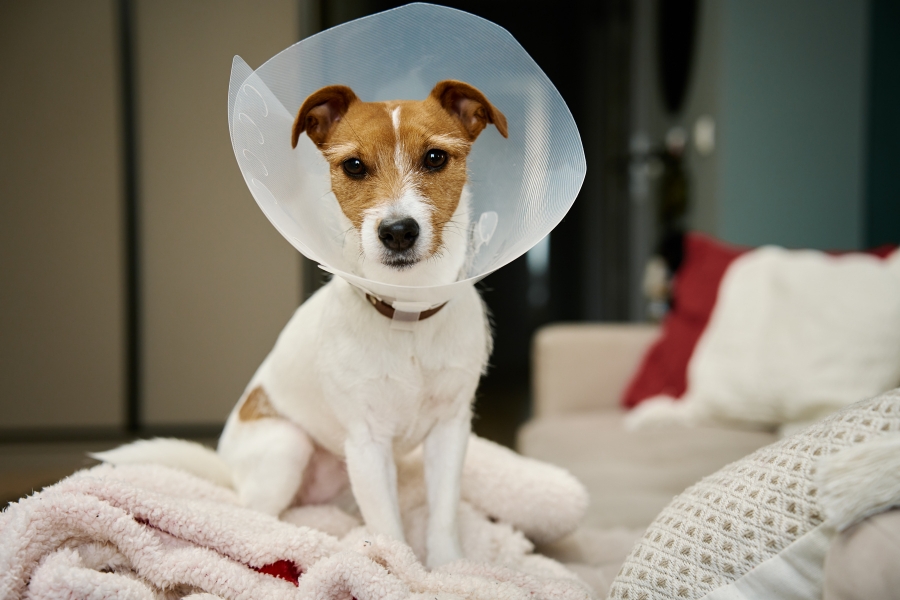
When your beloved dog undergoes surgery, the recovery phase is just as important as the procedure itself. Proper post-surgery care can significantly influence how quickly and comfortably your furry friend heals. As a responsible pet parent, understanding the essential steps for dog surgery recovery helps ensure your dog regains health without complications.
In this guide, we will walk you through crucial tips for a smooth and successful healing process. From managing pain to adjusting their environment, these actionable strategies will ease your dog’s recovery journey.
1. Follow Your Veterinarian’s Instructions Meticulously
The first and most important step in dog surgery recovery is to closely follow the aftercare instructions provided by your veterinarian. These guidelines are tailored to your dog’s specific surgery and condition, including medication schedules, wound care, and activity restrictions.
For example, your vet may prescribe pain medications or antibiotics. Administer these as directed without skipping doses to prevent infection and manage pain effectively. Additionally, watch for any signs of adverse reactions and report them immediately.
2. Monitor the Surgical Site Daily
Checking your dog’s incision or surgical site daily is essential to catch any signs of infection early. Look for redness, swelling, discharge, or an unusual odor around the wound. If you notice any of these symptoms, contact your vet without delay.
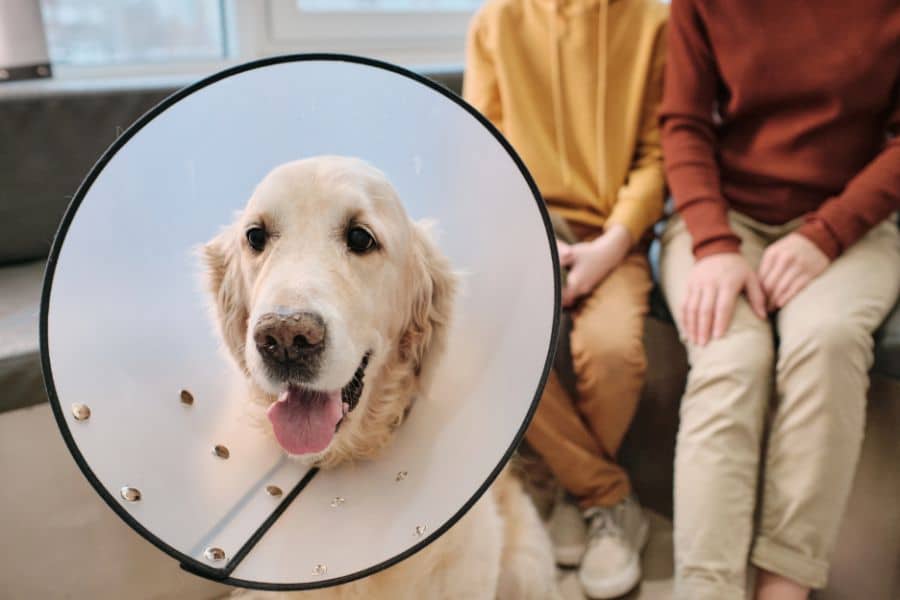
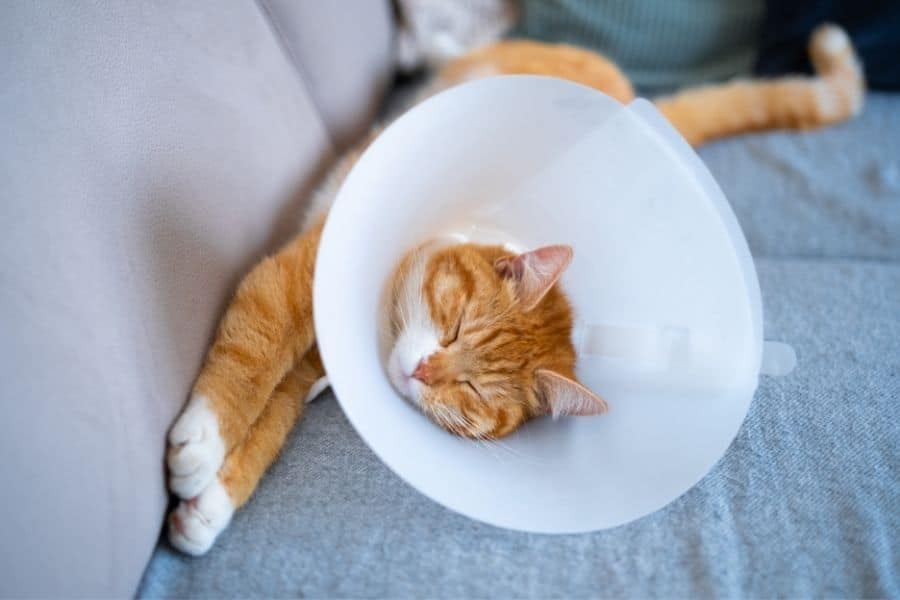
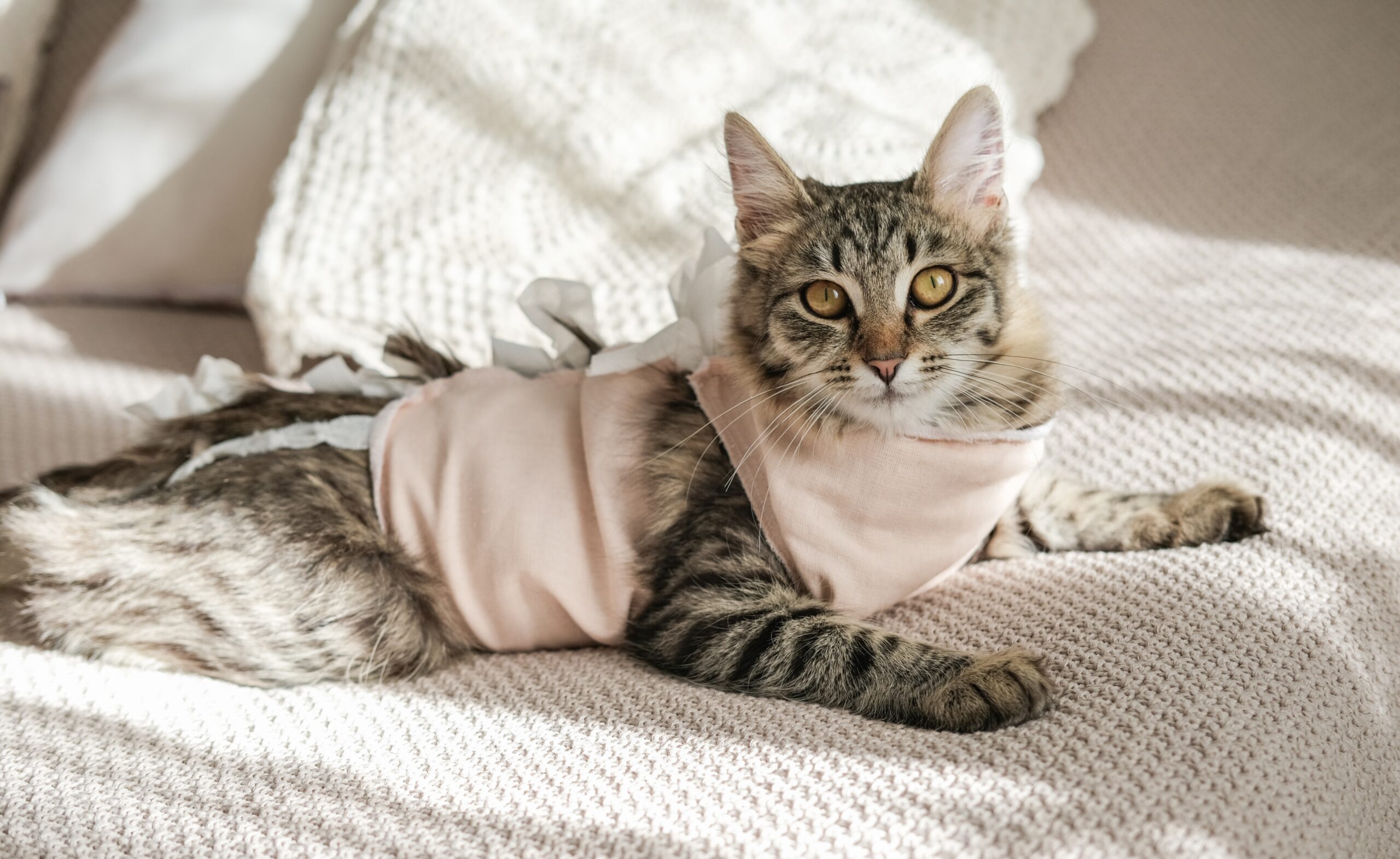
Prevent your dog from licking or chewing the incision by using an Elizabethan collar (cone) or alternative protective devices. This helps avoid infections and complications that could delay healing.
3. Control Your Dog’s Activity Levels
Limiting your dog’s physical activity after surgery helps avoid stress on the surgical site and promotes faster healing. Avoid letting your dog run, jump, or play vigorously during the recovery period.
Instead, opt for short leash walks only as recommended by your veterinarian. Gradually increase activity levels once your vet gives the green light. Controlled exercise also prevents stiffness and muscle loss.
4. Maintain a Comfortable and Quiet Environment
Your dog needs a calm and comfortable space to rest and recuperate. Set up a cozy bed in a quiet area away from household noise and distractions.
Proper rest aids healing by reducing stress and allowing your dog’s body to focus on recovery. You can also use calming pheromone sprays or diffusers to help reduce anxiety during this period.
5. Provide Proper Nutrition and Hydration
Nutrition plays a vital role in healing after dog surgery. Feed your dog a balanced, easily digestible diet as recommended by your veterinarian. Sometimes, dogs may have a reduced appetite post-surgery, so offering smaller, frequent meals might help.
Ensure your dog has constant access to fresh water to stay hydrated. Good hydration supports overall healing and helps flush out toxins.
6. Watch for Behavioral Changes and Pain Signs
Dogs can’t verbally communicate their pain, so be attentive to changes in behavior. Signs such as excessive whining, restlessness, panting, or reluctance to move can indicate discomfort or complications.
If you notice any unusual behavior, contact your veterinarian promptly to address any issues before they escalate.
7. Schedule and Keep Follow-Up Appointments
Regular follow-up visits with your veterinarian are crucial to monitor your dog’s progress and address any concerns. During these check-ups, the vet will inspect the surgical site, remove stitches if necessary, and provide additional care instructions.
Sticking to these appointments ensures a smooth recovery and helps catch any problems early.
Helping your dog recover from surgery requires patience, attentiveness, and a calm environment. By creating a peaceful space, managing pain, and monitoring healing, you can ensure a smooth and safe recovery.
If you’re searching for dog surgery in Charlotte, NC, trust the caring professionals at Epic Tails Veterinary Clinic. Our experienced team is committed to helping your pet feel their best before, during, and after surgery.
FAQs
Q1. How long does it take for a dog to recover from surgery?
Ans. Recovery time varies depending on the type of surgery and your dog’s overall health. Most dogs begin to feel better within a week, but complete healing may take several weeks.
Q2. Can my dog eat normally after surgery?
Ans. In many cases, dogs can resume a normal diet within 24 hours, but sometimes vets recommend a bland diet initially. Always follow your vet’s dietary instructions post-surgery.
Q3. What signs indicate my dog might have an infection after surgery?
Ans. Look for redness, swelling, discharge, bad odor, or excessive warmth around the incision site. Also, monitor for fever or unusual behavior.
Q4. When can my dog resume exercise after surgery?
Ans. Your vet will provide a timeline, but usually, dogs should avoid vigorous activity for at least two weeks post-surgery. Gradual reintroduction is key.
Q5. Is it necessary to keep my dog calm after surgery?
Ans. Yes. Minimizing movement prevents strain on the incision and reduces the risk of complications.
Q6. What should I do if my dog removes their stitches or bandages?
Ans. Contact your veterinarian immediately. They may need to replace the bandage or treat the wound to avoid infection.
Schedule Your Pet’s Visit Today
For dedicated and professional veterinary care designed to meet your pet's specific needs, please schedule an appointment.