🐾 Epic Tails Academy (Quarterly Event) • Learn More ›
How Do You Keep Pets Safe at Christmas?

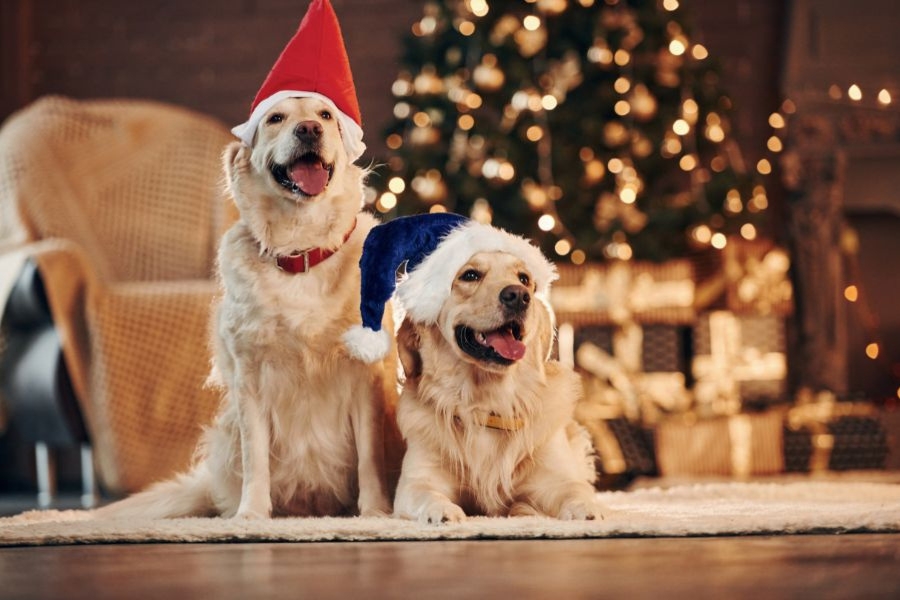
The holiday season brings joy, family gatherings, festive decorations, and often, a flurry of activity. While this time of year is exciting for people, it can also introduce hazards for pets. From curious cats investigating ornaments to dogs tempted by delicious holiday foods, Christmas can present unique safety risks. Fortunately, with thoughtful planning, proactive supervision, and a few simple adjustments to your holiday routine, you can help your pets stay safe and comfortable throughout the festivities.
In this comprehensive guide, we will explore actionable steps to protect your pets during the Christmas season here in Charlotte, North Carolina. With transition words and clear advice, this article provides practical direction that is easy to follow and implement.
Understand Common Holiday Risks for Pets
First, it helps to understand why Christmas can be a risky time for pets. During the holiday season, your home likely sees an increase in decorations, unfamiliar guests, holiday foods, and festive activities. While these elements add cheer for humans, they may create unsafe situations for pets who:
- Chew on electrical cords
- Eat toxic foods left within reach
- Knock over fragile decorations
- Become stressed by changes in routine
Because pets cannot tell you what they need or what might be dangerous, you must anticipate potential hazards and act proactively. In the sections that follow, you will find practical safety tips designed to reduce risk and keep your dog, cat, or other pets secure during Christmas celebrations.
Secure Holiday Decorations
Holiday decorations are a hallmark of Christmas, yet many common items can be hazardous to pets. Consequently, it’s important to choose and place decorations thoughtfully.
Christmas Tree Safety
When setting up your Christmas tree:
- Anchor the tree so that it cannot tip over if a pet bumps it.
- Avoid tinsel and ribbon if you have cats; these can cause intestinal blockages if swallowed.
- Place breakable or sharp ornaments high on the tree, out of reach of curious pets.
In addition, ensure that the tree water is covered or inaccessible. Stagnant tree water may contain bacteria or chemical additives that are unsafe for animals.
Electrical Cords and Lights
Pets often explore with their mouths, and electrical cords pose a serious risk of shock or burns. You can reduce this risk by:
- Concealing cords behind furniture
- Using cord protectors or covers
- Turning off lights when you are not at home
Furthermore, only use pet‑safe lighting and avoid decorations that contain small detachable parts that could be swallowed.
Monitor Holiday Foods
One of the biggest risks to pets during Christmas is exposure to human food. Many holiday foods that are safe for people can be toxic or harmful to animals.
Foods to Avoid
Keep the following items well out of reach:
- Chocolate: Contains theobromine, which is toxic to both dogs and cats.
- Grapes and raisins: Can cause kidney failure in dogs.
- Onions and garlic: May damage red blood cells, leading to anemia.
- Alcohol: Can lead to poisoning and dangerous behavioral changes.
Always supervise when guests are eating, and serve only pet‑safe treats to your animal companions.
Pet‑Safe Alternatives
Offer your pets treats formulated specifically for them. Providing designated treats helps prevent begging at the table and reinforces good boundaries during meals.
Maintain Your Pet’s Routine
Pets thrive on consistency. With holiday parties, shopping trips, and travel plans, it can be tempting to disrupt your regular schedule. However, maintaining routine helps reduce stress and prevents behavioral issues.
For instance:
- Feed your pet at the usual times
- Keep regular walking or play schedules
- Provide quiet rest periods away from holiday commotion
By preserving familiar patterns, you reassure your pet and minimize anxiety caused by the disruption of normal daily life.
Provide a Safe Quiet Space
Holiday celebrations often involve noise, guests, and unpredictable activity. Therefore, set up a designated safe space where your pet can retreat when things feel overwhelming.
A safe space might include:
- Your pet’s favorite bed
- Soft blankets or clothing with familiar scents
- Toys or puzzles to provide mental stimulation
- Access to fresh water
If your pet tends to become anxious around noise, consider adding soft background music or a pheromone diffuser in this area to promote calm.
Supervise Guests and Interactions
Holiday gatherings bring people into your home who may be unfamiliar with your pet’s temperament. Without proper supervision, well‑meaning guests can inadvertently create stressful or unsafe interactions.
To manage this:
- Ask guests to let your pet approach at their own pace
- Discourage loud or sudden noises around your animal
- Teach children how to gently and respectfully interact with pets
Above all, never leave pets unattended with unfamiliar guests, especially when food is present, or doors are frequently opening and closing.
Manage Travel and Boarding Safely
If you travel during the holidays, plan ahead to ensure your pet’s safety. Whether you are bringing your pet with you or boarding them locally:
- Use secure carriers or crates during travel
- Confirm that your pet’s identification tags and microchip information are current
- Book boarding or pet‑sitting services well in advance
For pets with anxiety, a familiar environment may be less stressful than a boarding facility. If keeping them at home is best, hire a trusted friend or professional pet sitter to check on them regularly.
Watch for Signs of Stress or Illness
Even with careful precautions, pets can experience stress or health issues during busy times. Be attentive to changes in behavior, such as:
- Loss of appetite
- Excessive panting or vocalization
- Withdrawal or hiding
- Changes in elimination habits
If you notice any concerning signs, respond promptly by comforting your pet and, if necessary, seeking professional guidance.
Keeping your pets safe at Christmas requires attention to detail, proactive planning, and a willingness to adapt holiday traditions for their well‑being. By securing decorations, monitoring food, preserving routines, and creating safe spaces, you can reduce risks and ensure a comfortable holiday season for your animal companions here in Charlotte, NC.
If you have questions about pet safety, behavior, or health during the holidays, please contact our veterinary hospital at Epic Tails Veterinary Clinic for expert support and personalized care.
FAQs
Q1. What holiday decorations are most dangerous to pets?
Ans. Tinsel, small ornaments, and unsecured electrical cords are common hazards because pets may chew or swallow them, leading to injury or blockages.
Q2. Can my dog eat holiday leftovers?
Ans. Many traditional holiday foods contain ingredients that are toxic to pets. Always avoid sharing foods like chocolate, grapes, onions, and alcohol with your pets.
Q3. How can I help my pet deal with holiday stress?
Ans. Maintain routines, provide a quiet, safe space, use calming tools like pheromone diffusers, and supervise interactions with guests to help reduce stress.
Q4. Should I leave my pet alone during Christmas gatherings?
Ans. It’s best to provide supervision or a peaceful retreat area. Leaving pets entirely alone during events may increase stress or risk of mishaps.
Q5. Is travel safe for pets during the holidays?
Ans. Travel can be safe if planned carefully. Use secure carriers, update identification, and provide familiar items to comfort your pet during the journey.
Q6. When should I seek veterinary help during the holidays?
Ans. Contact a veterinarian if your pet shows signs of illness, severe stress, or injury. Professional guidance can prevent minor issues from becoming serious.
Related Articles
Schedule Your Pet’s Visit Today
For dedicated and professional veterinary care designed to meet your pet's specific needs, please schedule an appointment.