
🐾 Epic Tails Academy (Quarterly Event) • Learn More ›
Reduce Stress for Dogs During Holiday Celebrations

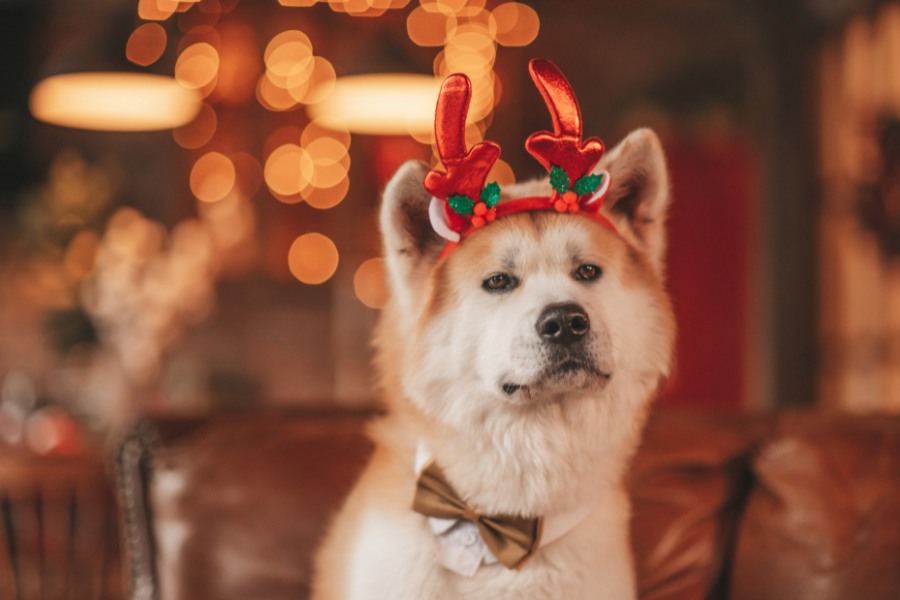
The holidays are a time of joy, gathering, and celebration. Yet for many dogs, the season brings changes that can lead to stress and anxiety. From increased activity levels in the home to loud noises and unfamiliar guests, dogs may feel overwhelmed if the environment becomes too chaotic. Fortunately, by preparing ahead and adopting effective strategies, you can help your dog stay calm and secure throughout holiday festivities—especially here in Charlotte, North Carolina, where local celebrations, travel, and family gatherings are part of seasonal traditions.
In this guide, you will learn how to recognize signs of stress in your dog, adjust routines, provide supportive environments, and make holiday events more comfortable. With proactive care, you can protect your dog’s emotional well‑being and create a peaceful holiday experience.
Recognize Why Holidays Can Be Stressful for Dogs
Dogs depend on consistency. Holiday celebrations often disrupt daily routines, such as feeding, walking, and quiet rest periods. These changes may make your dog feel uncertain or uneasy. In addition, louder environments, new smells, and guests who are unfamiliar with your dog’s comfort levels can further contribute to stress. Being aware of these triggers is the first step in helping your dog navigate the season more comfortably.
Common signs that your dog may be experiencing stress include:
- Restlessness or pacing
- Excessive panting when not hot
- Trembling or shaking
- Withdrawal or hiding
- Whining or vocalizing
- Changes in eating or bathroom habits
Once you understand these signals, you can respond promptly to support your dog’s emotional needs.
Maintain Your Dog’s Routine
Routine is a source of reassurance for dogs. Even though holiday schedules often vary, keeping your dog’s feeding, walking, and bedtime routines as consistent as possible helps reduce stress. If guests are visiting or you’re temporarily distracted, ask a family member or friend who understands your dog to help maintain these routines.
For instance, regular morning walks through your Charlotte neighborhood not only provide physical exercise but also reinforce predictability. In this way, your dog knows what to expect each day, regardless of external festivities.
Create a Safe, Quiet Space
During celebrations, dogs may become overwhelmed by noise, activity, or unfamiliar faces. Therefore, create a designated safe space in your home where your dog can retreat when things get busy. This could be a quiet bedroom, spare room, or an area with minimal foot traffic.
Stock this space with:
- Their favorite bed or blanket
- A few familiar toys
- Water and easy‑to‑digest chews
- Soft background music or white noise to drown out loud sounds
By giving your dog a predictable sanctuary, you support their need for solitude and relaxation amid holiday excitement.
Provide Physical and Mental Enrichment
Physical activity and mental stimulation help dogs release pent‑up energy in positive ways. Try to incorporate daily walks, playtime, or interactive games, even when the house feels busier than usual. Puzzle toys, scent games, and treat‑dispensing activities not only occupy your dog but also help reduce anxiety by giving their mind a constructive outlet.
For example, before a gathering begins, engage your dog with a favorite interactive toy or short play session. Then, let them enjoy quiet time in their designated safe space with a long‑lasting chew or food puzzle. These activities foster calm behavior and focus your dog on pleasant experiences during the festivities.
Use Calming Aids and Comfort Tools
If your dog tends to become highly anxious during busy events, additional calming aids can be helpful. Options include:
- Pheromone diffusers or sprays that simulate comforting scents
- Calming treats or chews with vet‑recommended ingredients
- Anxiety wraps or snug vests that provide gentle pressure for a soothing effect
These tools can support relaxation, but be sure to follow instructions and introduce them gradually so your dog associates them with comfort rather than stress. If you’re unsure which products are right for your dog, consult your veterinarian.
Prepare Guests and Manage Interactions
Holiday guests may mean new friends or family members entering your home. While social gatherings are enjoyable for people, dogs may find sudden attention overwhelming. To help your dog feel comfortable:
- Introduce guests one at a time
- Ask guests to let your dog approach them rather than forcing interaction
- Encourage calm greetings without loud voices or fast movements
Train your dog to follow simple commands, such as “stay” or “go to your space,” so they have a clear way to disengage from stressful interactions. Respect your dog’s choice to avoid contact if they appear hesitant or withdrawn.
Monitor Stress Throughout Events
Even with preparation, your dog may show signs of stress during holiday celebrations. Keep an eye out for behaviors like excessive yawning, lip‑licking, restlessness, or refusal to eat. In these cases, gently guide your dog to their safe area and offer reassurance with calm tones or favorite toys.
If stress continues or intensifies despite your efforts, professional guidance can make a meaningful difference. In such situations, don’t hesitate to seek individualized support.
Holiday celebrations should be joyful for every member of your family—including your dog. By maintaining routines, creating safe spaces, providing enrichment, and managing social interactions mindfully, you can significantly reduce stress during seasonal festivities in Charlotte, NC.
If you have questions about your dog’s anxiety, behavior changes, or need support developing a customized stress‑management plan, please contact our veterinary hospital at Epic Tails Veterinary Clinic. Our experienced team is here to help your dog stay calm, healthy, and happy throughout the holidays.
Related Articles

Schedule Your Pet’s Visit Today
For dedicated and professional veterinary care designed to meet your pet's specific needs, please schedule an appointment.