
🐾 Epic Tails Academy (Quarterly Event) • Learn More ›
How To Care For Your Cat After Surgery – A Complete Guide

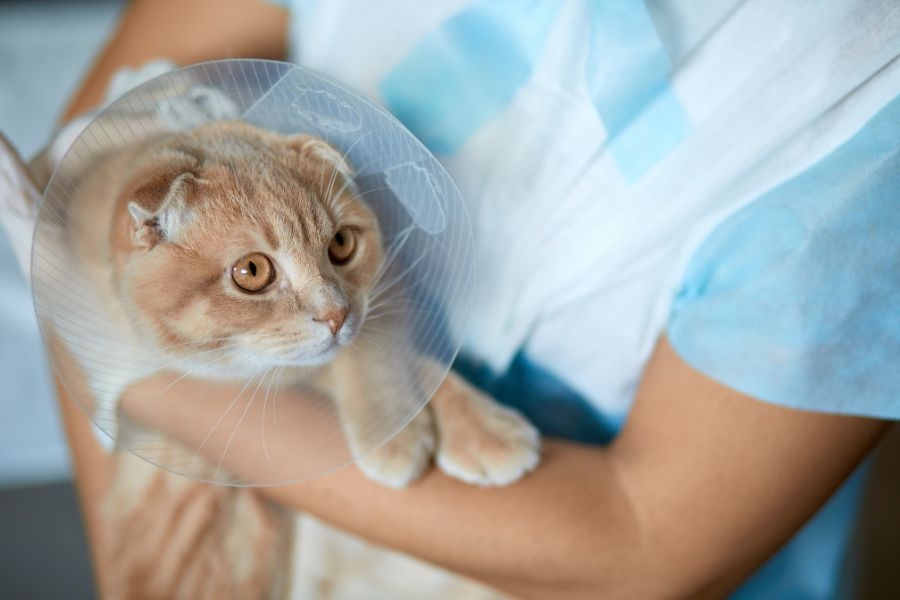
Caring for your cat after surgery can feel overwhelming, especially if you’re unsure of what to expect during the recovery period. Whether your furry friend has undergone a routine spay/neuter or a more complex procedure, proper aftercare is essential to ensure a smooth and safe recovery.
In this complete guide, we’ll walk you through every step of the post-surgery care process — from the moment your cat comes home to their final check-up. With the right approach, you can help your cat heal faster and reduce the risk of complications.
1. Bring Your Cat Home Safely
Once your cat is discharged from the vet clinic, you’ll need to create a calm and safe environment at home. Use a well-ventilated carrier and drive gently to avoid sudden stops or bumps.
Pro Tip: Keep the carrier low to the floor of the vehicle to reduce motion sickness.
When you arrive home, place your cat in a quiet room away from other pets and children. Dim the lights, and make sure the room is warm and draft-free.
2. Monitor the Anesthesia Recovery
Cats may seem drowsy, disoriented, or slightly unsteady after surgery. This is normal and usually wears off within 24 hours. During this time:
- Limit activity: Do not let your cat jump, run, or climb.
- Avoid handling too much: Let your cat rest peacefully unless you need to administer medications.
- Watch for unusual signs: Excessive drooling, vomiting, or difficulty breathing should prompt a call to your vet.
3. Follow the Medication Schedule Precisely
Your veterinarian will likely prescribe pain medications or antibiotics. Always follow the dosing instructions carefully.
- Never skip doses.
- Don’t use human medication.
- Administer pills with food (if advised).
To make medicine time easier, consider pill pockets or hiding pills in a small amount of canned food.
4. Maintain a Clean and Comfortable Recovery Area
Designate a cozy space where your cat can recover without disturbance. Line the area with soft bedding and easy-to-clean materials in case of accidents.
Avoid stairs, high surfaces, or furniture where your cat might attempt to jump.
Pro Tip: Use a shallow litter box to make it easier for your cat to access without strain.
5. Prevent Licking and Scratching
Cats instinctively want to lick their wounds. However, this can lead to infection or reopen the incision site.
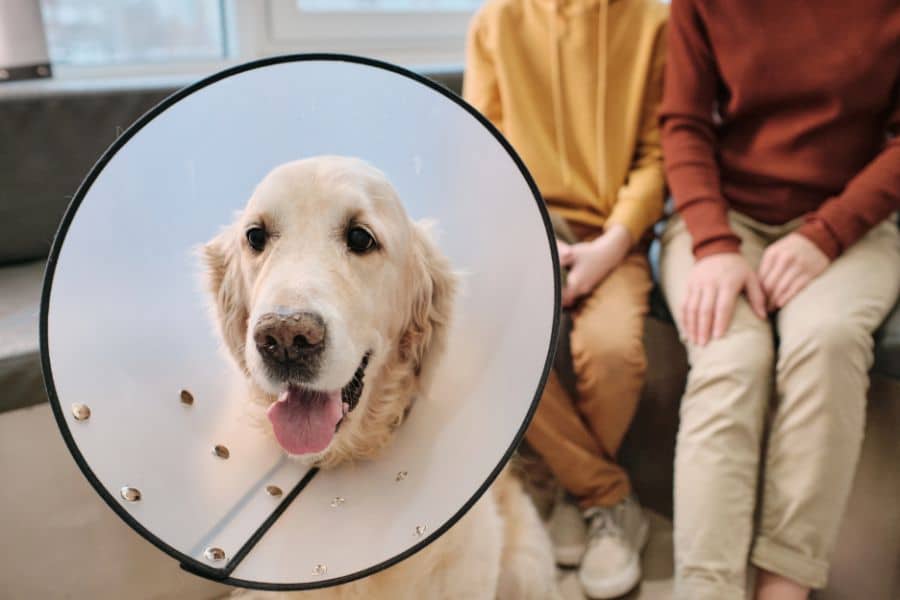
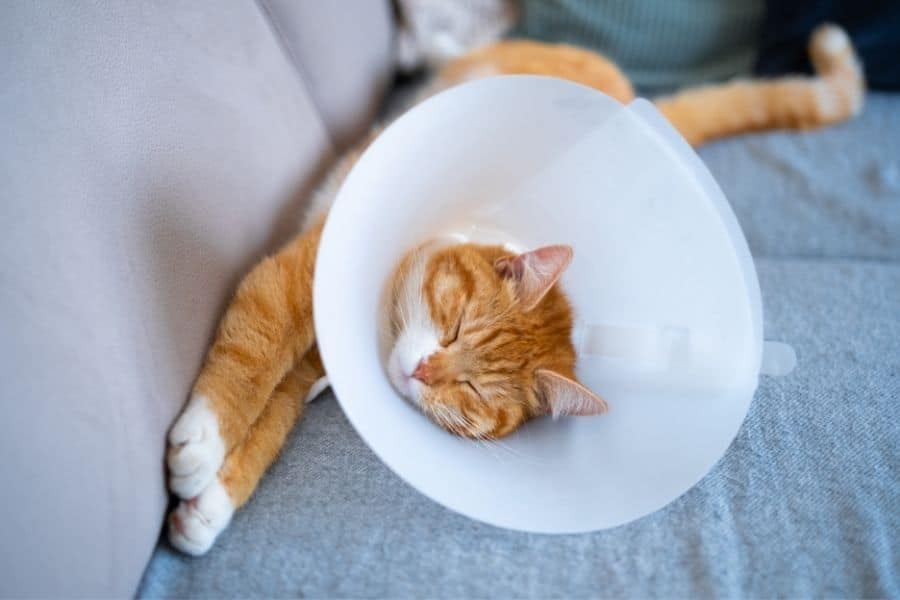
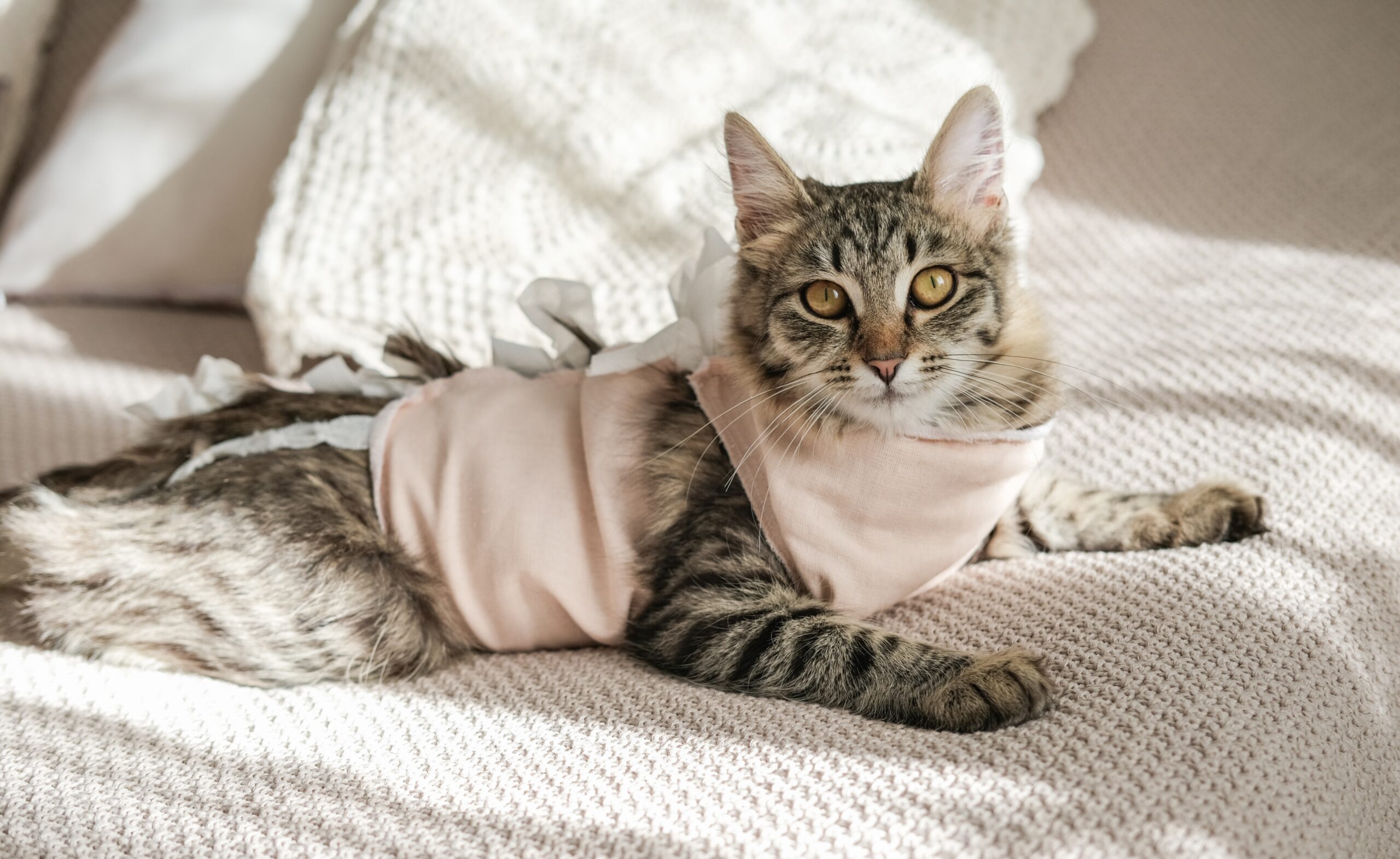
Your vet may provide an e-collar (Elizabethan collar) or a soft recovery suit. Keep these on for the recommended time.
If your cat becomes agitated, monitor their behavior and ask your vet about alternative options like inflatable collars.
6. Monitor the Incision Site Daily
Check your cat’s incision at least once a day. Look for signs such as:
- Redness or swelling
- Discharge or bleeding
- Foul odor
- Missing stitches
A healthy incision should appear clean and closed. If anything looks unusual, contact your vet immediately.
7. Feed a Light Diet Initially
Your cat may have a reduced appetite for the first 24 hours. This is normal post-anesthesia behavior. Offer small amounts of easily digestible food, such as wet cat food or boiled chicken (if approved by your vet).
Ensure plenty of fresh water is available. If your cat refuses food or water after 24 hours, consult your veterinarian.
8. Limit Physical Activity
It’s important to restrict your cat’s movement during the first week of recovery, or longer depending on the surgery type.
Use a playpen or a large crate if needed. This helps prevent:
- Reopening the wound
- Internal stitches tearing
- Accidental falls or trauma
After a few days, you can gradually increase supervised activity under guidance from your vet.
9. Attend All Follow-Up Appointments
Even if your cat seems to be doing well, don’t skip post-operative checkups. Your vet will monitor the healing progress, remove any sutures if needed, and ensure there are no hidden complications.
Follow-up visits allow your vet to catch early signs of infection or delayed healing.
Caring for your cat after surgery requires patience, observation, and a gentle hand. But with the right knowledge and a proactive mindset, you can help your feline friend recover safely and comfortably.
Conveniently located in Charlotte, NC, if you are looking for cat surgery near me, then Epic Tails Veterinary Clinic is the best choice for you. Our compassionate team specializes in feline surgical care, providing expert support to ensure your cat’s safe and comfortable recovery.
FAQs About Cat Surgery Recovery
Q1. How long does it take for a cat to recover from surgery?
Ans. Most cats recover within 7–14 days, depending on the type of surgery. Always follow your vet’s guidance for the specific timeline.
Q2. Can I let my cat outside during recovery?
Ans. No. Keep your cat indoors during the healing process to reduce the risk of infection, injury, or stress.
Q3. What should I do if my cat won’t eat after surgery?
Ans. It’s common for cats to have a reduced appetite for the first 24 hours. Offer bland, soft food and fresh water. Contact your vet if appetite doesn’t return in 24–48 hours.
Q4. When can I remove the e-collar?
Ans. Follow your vet’s recommendation, usually 10–14 days post-surgery or until the wound is fully healed and the stitches are removed.
Q5. My cat is hiding more than usual after surgery. Is that normal?
Ans. Yes, some cats prefer to hide when they feel unwell. Ensure they have a quiet space, but monitor their food and litter box use. Contact your vet if this behavior persists.
Schedule Your Pet’s Visit Today
For dedicated and professional veterinary care designed to meet your pet's specific needs, please schedule an appointment.