
🐾 Epic Tails Academy (Quarterly Event) • Learn More ›
Is Your Puppy Ready for Their First Vet Visit? A Complete Guide for New Pet Parents


Welcoming a new puppy into your home is an exciting experience. However, along with the joy, it also brings important responsibilities—one of the most essential being your puppy’s first vet visit. This appointment sets the foundation for your pet’s long-term health. Therefore, preparing the right way helps ensure the visit is smooth, stress-free, and beneficial.
In this guide, we’ll walk you through everything you need to know before taking your puppy to the vet for the first time.
Why the First Vet Visit Matters
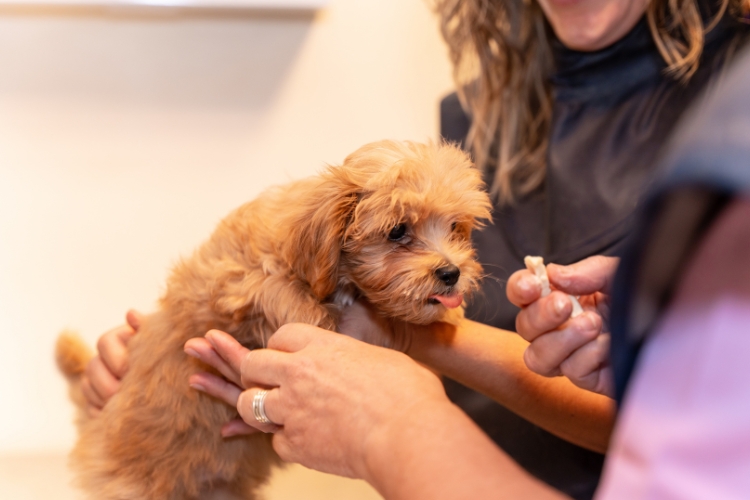
Your puppy’s first vet visit plays a crucial role in monitoring their development. During this appointment, the veterinarian typically checks overall health, begins vaccinations, discusses diet, and addresses any concerns you may have. As a result, you gain a deeper understanding of how to support your puppy’s growth.
Moreover, early vet visits help build a positive association with healthcare. When your puppy gets used to gentle handling and examination at a young age, future visits become less stressful.
When Should You Schedule the First Vet Visit?
Most puppies should see a vet within a week of adoption. Breeders often provide initial vaccinations, but a follow-up exam ensures your puppy is healthy and on track. If you adopted from a shelter, early vet care is still essential because puppies may have underlying issues like worms, fleas, or nutritional deficiencies.
Additionally, schedule an appointment even sooner if you notice symptoms such as:
- Excessive scratching
- Loss of appetite
- Vomiting or diarrhea
- Coughing or sneezing
- Swollen belly
- Lethargy
Prompt attention helps prevent small problems from becoming serious.
What to Bring to Your Puppy’s First Vet Visit
Preparing the right materials ensures your veterinarian has the information needed for accurate assessment. Bring:
1. Medical Records (If Available)
These include vaccination history, deworming dates, or any treatments the breeder or shelter performed.
2. Stool Sample
Parasite testing is part of the initial exam, and a fresh sample helps detect internal worms.
3. Adoption or Purchase Papers
These documents may include important health details.
4. List of Questions
Write down any concerns—no question is too small when it comes to your puppy’s health.
5. Treats and a Small Toy
These help keep your puppy calm and create a positive experience.
What Happens During the First Vet Visit?
During the appointment, your veterinarian follows a structured process to understand your puppy’s health status. Typically, the visit includes:
Physical Examination
The doctor checks your puppy’s eyes, ears, teeth, heart, lungs, skin, belly, and joints. This step ensures everything is developing normally.
Weight and Growth Evaluation
Weight plays a big role in determining vaccine dosages and nutritional needs.
Vaccination Plan
Puppies usually begin core vaccines at six to eight weeks old. Your vet will map out a schedule tailored to your pet.
Parasite Prevention
Since worms and fleas are common in puppies, the vet may prescribe preventive treatments. They may also recommend starting heartworm prevention immediately.
Diet and Nutrition Counseling
Your veterinarian will discuss feeding guidelines, safe treats, portion sizes, and recommended puppy food brands.
Microchipping Information
Many pet owners choose to microchip their puppy for long-term identification and safety.
How to Prepare Your Puppy Before the Visit
Helping your puppy stay calm begins at home. Here are simple ways to prepare:
1. Short Practice Sessions
Handle their paws, check their ears, and gently open their mouth. This familiarizes them with being examined.
2. Crate or Carrier Training
If you use a crate, let your puppy explore it with treats so they associate it with comfort.
3. Socialization Exposure
Gradually expose your puppy to new sights and sounds. This helps reduce fear when they enter a veterinary clinic.
4. Plan Bathroom Breaks
Take your puppy outside before leaving home to avoid accidents.
How to Keep Your Puppy Calm During the Appointment
Even confident puppies may feel nervous at the clinic. To reduce anxiety:
- Speak in a calm, cheerful tone.
- Offer small treats during the exam.
- Bring a blanket or toy from home.
- Avoid over-reacting to their fear; stay relaxed to reassure them.
With patience and positive reinforcement, your puppy will learn that vet visits are safe experiences.
What Happens After the First Vet Visit?
Your vet will provide a follow-up schedule for vaccinations, deworming, and wellness exams. These visits continue until your puppy is around 16 weeks old. Afterward, they transition into yearly checkups.
Additionally, your vet may recommend early steps for training, grooming, dental care, or spaying/neutering. Following these guidelines supports your puppy’s overall well-being.
Your puppy’s first vet visit is more than a routine appointment—it’s the start of their lifelong health journey. With the right preparation, you can make the experience enjoyable and stress-free. Remember to ask questions, follow recommended schedules, and provide the best care possible. If you’re looking for expert support and compassionate guidance, consider scheduling your appointment with a trusted veterinarian in Charlotte, NC.
FAQs
Q1. When should my puppy first visit the vet?
Ans. Your puppy should visit the vet within the first week of adoption to ensure they’re healthy and to set up a vaccination schedule.
Q2. How long does a puppy’s first vet visit take?
Ans. Most first visits last 20–30 minutes, depending on questions, vaccinations, and the puppy’s comfort level.
Q3. Should I feed my puppy before the appointment?
Ans. Yes, you can feed them normally unless your vet advises otherwise. However, avoid feeding immediately before travel to prevent nausea.
Q4. Can I hold my puppy during the exam?
Ans. In most cases, yes. Many vets allow owners to provide comfort during the examination.
Q5. How often do puppies need vaccinations?
Ans. Puppies receive vaccines every 3–4 weeks until they are around 16 weeks old.
Q6. What if my puppy is scared at the vet?
Ans. Bring treats, comfort items, and remain calm. Over time, your puppy will build confidence with positive visits.


Schedule Your Pet’s Visit Today
For dedicated and professional veterinary care designed to meet your pet's specific needs, please schedule an appointment.