
🐾 Epic Tails Academy (Quarterly Event) • Learn More ›
Puppy Care 101: Vet-Approved Guide for the First Year

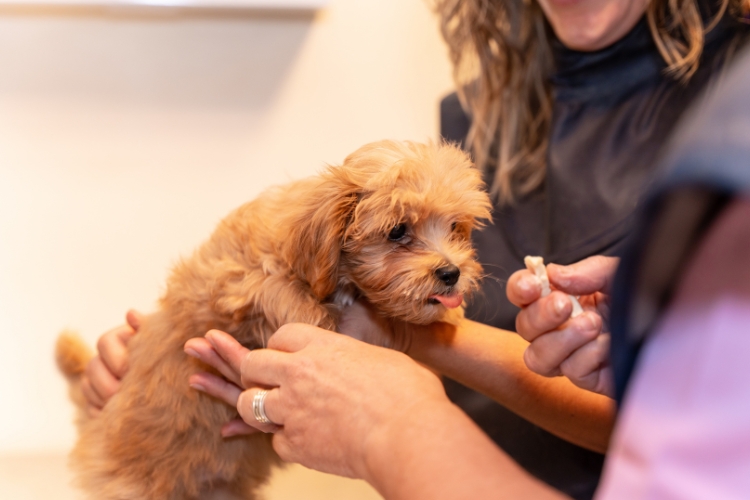
The first year of a puppy’s life is filled with milestones and rapid growth. As a new puppy parent, it’s essential to understand the best practices for puppy care to ensure that your new furry friend grows into a happy, healthy adult dog. From proper nutrition to vaccinations and socialization, the first year is a crucial period that lays the foundation for your puppy’s well-being.
This blog is especially for puppy owners in Charlotte, NC, who want to understand how to care for their new puppy during their first year. Whether you’re bringing home your first puppy or adding a new member to your family, this guide will provide you with expert advice to ensure your puppy’s development is smooth and healthy.
1. Preparing for Your Puppy’s Arrival
Before bringing your new puppy home, it’s important to prepare your environment to ensure it’s safe, comfortable, and welcoming. A well-prepared space will make the transition easier for both you and your new puppy.
Key Preparations:
- Puppy-Proof Your Home: Puppies are naturally curious, and they explore everything with their mouths. Make sure to remove any dangerous objects, toxic plants, or items they could swallow. Secure electrical cords, remove choking hazards, and set up baby gates or barriers where needed.
- Create a Safe Space: Designate a quiet, cozy space for your puppy to relax. This area should include a soft bed, food and water bowls, toys, and a crate if you’re planning on crate training. It’s important to give your puppy a space where they can feel safe and comfortable, especially in the first few days.
- Gather Essential Supplies: Before your puppy arrives, make sure you have all the necessary supplies ready, including a collar, leash, crate, puppy food, grooming tools, and a scratching post or chew toys.
By preparing your home ahead of time, you’ll create a welcoming environment that helps your puppy settle in quickly and confidently.
2. Feeding Your Puppy
Proper nutrition is one of the most important aspects of puppy care during the first year of life. Puppies require a diet specifically formulated for their rapid growth and high energy levels. It’s essential to choose the right type of food and stick to a feeding schedule.
What to Feed Your Puppy:
- High-Quality Puppy Food: Choose a high-quality, puppy-specific food that’s rich in protein and essential nutrients. Puppy food contains the necessary vitamins and minerals to support their growing bodies and promote healthy development.
- Feeding Schedule: Puppies typically need to eat 3-4 times a day during their first few months. As they grow, you can reduce the frequency to two meals a day. Always follow your vet’s recommendations regarding portion sizes and feeding frequency.
- Fresh Water: Ensure that your puppy always has access to fresh water. Hydration is crucial for their health, especially during periods of high activity and growth.
Providing proper nutrition is essential for your puppy’s health and growth. Consult with your veterinarian to ensure that you’re feeding your puppy the right food for their specific needs.
3. Socialization and Training
The first year of a puppy’s life is the perfect time to begin socializing and training them. Early socialization helps your puppy become comfortable with different people, animals, and environments, preventing fear and anxiety in later life. Training, on the other hand, teaches them important skills and behaviors that will benefit them throughout their lives.
Socialization Tips:
- Exposure to New Experiences: Gradually introduce your puppy to new people, pets, and environments. Take them for walks, visit parks, or invite friends over to socialize with them. The more positive experiences your puppy has, the more confident and well-adjusted they will become.
- Introduce Other Animals: If you have other pets, introduce them to your puppy in a controlled, positive manner. Monitor their interactions to ensure your puppy is comfortable and learns how to interact with other animals.
- Positive Reinforcement: Always use positive reinforcement to reward your puppy for good behavior, such as sitting, staying, or playing gently with other pets. Praise, treats, and toys are great motivators.
Training Tips:
- Basic Commands: Teach your puppy basic commands such as “sit,” “stay,” and “come.” Keep training sessions short and fun, using treats as rewards. Puppies have short attention spans, so breaking up training into several short sessions works best.
- Crate Training: Crate training is an effective way to provide your puppy with a safe space when you are not around. It also helps with potty training and prevents destructive behavior when you’re not home.
- Potty Training: Consistency is key when it comes to potty training. Take your puppy outside frequently, especially after meals, naps, or playtime. Praise them when they go potty in the right place, and be patient as they learn.
Training and socialization during the first year will ensure that your puppy grows up to be well-behaved and confident.
4. Veterinary Care and Vaccinations
Routine veterinary visits are an essential part of puppy care. Your veterinarian will monitor your puppy’s growth, administer vaccinations, and check for any health concerns. Regular check-ups are crucial for ensuring your puppy stays healthy and develops properly.
Key Veterinary Visits:
- Initial Visit: Schedule your puppy’s first veterinary visit within a few days of bringing them home. During this visit, your vet will perform a thorough examination and administer the first round of vaccinations.
- Vaccinations: Puppies need a series of vaccinations to protect them from diseases such as parvovirus, distemper, and rabies. Your vet will create a vaccination schedule to ensure your puppy is protected.
- Deworming: Kittens and puppies are often born with intestinal parasites, so your vet will likely recommend deworming treatments to eliminate any parasites and prevent health problems.
Routine check-ups are vital for ensuring your puppy’s overall health. Your veterinarian will guide you on the right vaccination schedule and preventative care based on your puppy’s breed and health history.
5. Grooming Your Puppy
Grooming is an important part of puppy care that should begin early in your puppy’s life. Regular grooming helps keep your puppy clean, comfortable, and free from parasites like fleas or ticks. It also provides an opportunity to check for any skin issues, injuries, or abnormalities.
Grooming Tips:
- Brushing: Start brushing your puppy’s coat regularly to get them used to the process. Use a soft-bristled brush that’s gentle on their skin. Regular brushing will help keep your puppy’s coat healthy and free from tangles.
- Bathing: Puppies don’t need frequent baths unless they get dirty. When you do bathe your puppy, use a gentle puppy-safe shampoo that won’t irritate their skin.
- Nail Trimming: Trim your puppy’s nails every couple of weeks to prevent them from becoming too long or sharp. Puppies’ nails grow quickly, so regular trimming is important.
Getting your puppy used to grooming from a young age will make future grooming sessions much easier.
6. Exercise and Playtime
Regular exercise is essential for your puppy’s physical health and development. It helps them burn off energy, build muscle, and improve coordination. Playtime also provides a fun opportunity for bonding and socialization.
Exercise Tips:
- Short, Frequent Walks: While your puppy is young, take them on short walks to introduce them to outdoor environments. Gradually increase the length and intensity of walks as they grow older.
- Interactive Play: Use toys such as fetch balls, tug-of-war ropes, or puzzle toys to keep your puppy mentally and physically stimulated. Playtime is also an excellent opportunity to reinforce training and commands.
- Socialization with Other Dogs: Arrange safe playdates with other vaccinated puppies and adult dogs to help your puppy develop good social skills.
Exercise and playtime are crucial for your puppy’s overall development and well-being.
The first year of your puppy’s life is full of growth, exploration, and learning. By providing proper nutrition, socialization, training, and regular veterinary care, you can ensure that your puppy grows into a well-adjusted, healthy adult dog. If you’re in Charlotte and looking for puppy care near you, schedule an appointment with Epic Tails Veterinary Clinic. Our veterinary team is dedicated to providing the best care for your puppy, ensuring a healthy and happy start to their life. Schedule an appointment with us today!
FAQs
Q1. When can I bring my puppy home?
Ans. You can typically bring your puppy home at 8-12 weeks of age, once they are fully weaned and ready for socialization and training.
Q2. What should I feed my puppy?
Ans. Feed your puppy high-quality, puppy-specific food that is rich in protein and essential nutrients. Consult with your veterinarian for the best food for your puppy’s needs.
Q3. How often should I feed my puppy?
Ans. Puppies should be fed 3-4 times a day during their first few months. As they grow, you can reduce the number of meals to 2 per day, but always provide fresh water.
Q4. How do I know if my puppy is sick?
Ans. Signs of illness include lethargy, loss of appetite, diarrhea, vomiting, or coughing. If your puppy shows any of these symptoms, contact your veterinarian.
Q5. When should I spay or neuter my puppy?
Ans. Puppies should be spayed or neutered around 5-6 months of age. This helps prevent unwanted litters and can improve their long-term health.
Q6. How do I socialize my puppy?
Ans. Gradually expose your puppy to different environments, people, and other pets. Positive interactions will help them become comfortable and well-adjusted.



Schedule Your Pet’s Visit Today
For dedicated and professional veterinary care designed to meet your pet's specific needs, please schedule an appointment.