
🐾 Epic Tails Academy (Quarterly Event) • Learn More ›
The Slow Metabolism Trap: Why Weight Management Is Crucial for Senior Dogs in Charlotte

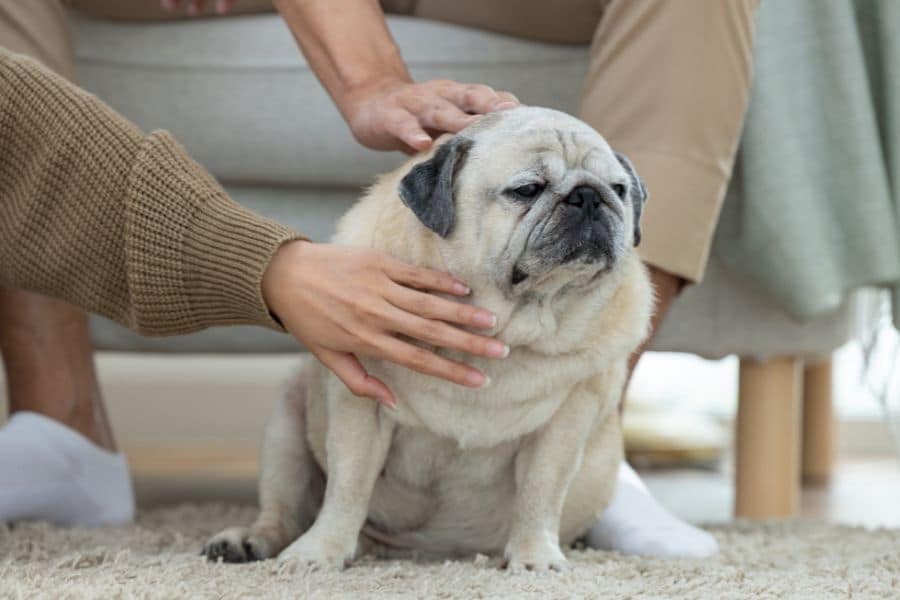
A senior dog may still enjoy treats, short walks, and family time, yet gradual weight gain can happen quietly. A few extra pounds may not seem serious at first. Over time, excess weight can place additional strain on joints, muscles, and other body systems.
As dogs age, their nutritional and activity needs can change. Their metabolism may slow, while stiffness or arthritis can make regular exercise more difficult. This combination can create a cycle where a dog moves less, burns fewer calories, and gains weight more easily.
For families focused on senior dog care, understanding this cycle is an important part of helping older dogs maintain comfortable movement and a good quality of life.
Why Senior Dogs Gain Weight More Easily
A younger adult dog may burn considerable energy through daily activity. As that dog ages, the same lifestyle may no longer produce the same calorie requirements.
Senior dogs can experience several changes at once:
• Lower activity levels
• Reduced muscle mass
• Changes in resting energy needs
• Increased stiffness
• Less interest in vigorous play
• Changes in appetite or feeding habits
The result can be gradual weight gain that is easy to overlook.
This does not mean every senior dog will become overweight. Breed, size, health status, diet, activity level, and individual metabolism all influence body condition. However, older dogs often benefit from having their nutritional needs reviewed regularly rather than continuing the same feeding routine indefinitely.
Understanding Senior Dog Metabolism and Weight Gain
The relationship between senior dog metabolism and weight gain is important for owners to understand.
As dogs age, they may lose lean muscle while becoming less active. Muscle tissue contributes to energy expenditure, so reduced muscle mass can affect how many calories a dog needs each day.
Imagine an older dog that once enjoyed a long daily walk. If arthritis or stiffness causes that walk to become shorter, the dog’s calorie expenditure may decrease. If food portions remain unchanged, the difference can slowly appear on the scale.
Weight gain may happen so gradually that owners do not notice it until their dog has developed a noticeably heavier body condition.
Regular veterinary evaluations can help identify these changes before excess weight becomes a larger concern.
Why Extra Weight Can Be Hard on Aging Joints
Senior dogs commonly experience age related changes in their joints. Carrying additional body weight can make movement more physically demanding.
This creates a difficult cycle:
• Excess weight places more load on the joints.
• Movement becomes more uncomfortable or tiring.
• The dog becomes less active.
• Reduced activity can contribute to further weight gain.
• Additional weight makes movement even harder.
This relationship is particularly relevant when discussing obesity and arthritis in senior dogs.
Weight management cannot reverse every age related joint change, but maintaining an appropriate body condition can reduce unnecessary physical load and make everyday movement easier to manage.
Weight Affects More Than Mobility
The consequences of excess weight are not limited to the legs and joints.
Carrying unnecessary body weight can also increase the physical workload placed on the cardiovascular and respiratory systems. In dogs already dealing with age related health concerns, maintaining a healthy body condition becomes even more valuable.
Weight management is therefore part of comprehensive senior dog care rather than simply a cosmetic concern.
A healthy weight can support:
• Easier movement
• Better physical comfort
• More appropriate activity levels
• Healthy muscle maintenance
• Overall quality of life
The ideal weight is different for every dog, so owners should focus on body condition and veterinary guidance rather than comparing their dog with another pet.
How to Help an Older Dog Lose Weight
Many owners ask how to help an older dog lose weight without making their dog feel hungry or overly restricted.
The first step is understanding how much food the dog actually needs.
Instead of making major changes independently, discuss the dog’s current weight, body condition, activity level, diet, treats, and health history with a veterinarian.
Practical adjustments may include:
• Measuring meals rather than estimating portions
• Reviewing daily treats
• Choosing an appropriate nutritional plan
• Dividing food into suitable meal portions
• Increasing gentle activity when medically appropriate
• Monitoring body weight regularly
Treats deserve special attention. Small snacks can add a surprising amount of energy to a dog’s daily intake, particularly when several family members offer them throughout the day.
Exercise Should Match the Senior Dog
Weight management does not mean forcing an older dog into intense exercise.
A senior dog with stiffness may benefit more from controlled, consistent activity than from occasional strenuous sessions.
Depending on the dog’s health, appropriate activities may include:
• Short walks
• Gentle play
• Controlled movement exercises
• Supervised low impact activities
• Multiple brief activity periods throughout the day
Charlotte weather can also influence outdoor activity. Hot and humid conditions may make exercise more demanding for older dogs, while sudden changes in temperature can affect dogs with mobility limitations.
Pay attention to your dog’s behavior during and after activity. Excessive fatigue, reluctance to continue, or noticeable changes in movement should be discussed with a veterinary professional.
Protecting Muscle While Managing Weight
Weight loss should focus on reducing excess body fat while preserving lean muscle.
This matters because senior dogs can naturally lose muscle as they age. Simply reducing food dramatically may not provide the balanced nutritional support an older dog needs.
A veterinarian can help determine an appropriate calorie target based on factors such as:
• Current body weight
• Target body condition
• Age
• Activity level
• Existing health concerns
• Current diet
Slow, monitored changes are generally more useful than extreme restrictions.
When a Weight Change Deserves Attention
Not every change in body weight is caused by overeating.
Unexpected weight gain or weight loss can sometimes be associated with underlying health changes. A senior dog that suddenly gains weight, becomes unusually inactive, drinks significantly more water, or shows changes in appetite should receive appropriate veterinary attention.
Routine examinations provide an opportunity to monitor body condition and identify changes over time.
For pet owners in Charlotte, regular senior wellness visits can help keep weight management connected to the dog’s broader health needs.
Make Weight Management Part of Senior Dog Care
Healthy aging is not about keeping an older dog at the same activity level they had when they were young. It is about adjusting care as their body changes.
For a senior dog, appropriate nutrition, measured portions, gentle activity, regular monitoring, and veterinary guidance can work together to support mobility and overall wellness.
If your dog is gaining weight despite eating the same amount as before, do not assume it is simply part of getting older. A changing metabolism, reduced activity, muscle loss, or an underlying health concern may all play a role.
A thoughtful weight management plan can help your senior companion stay active, comfortable, and engaged with family life for as long as possible.
Schedule a Senior Dog Wellness Appointment
If your senior dog has gained weight, become less active, or seems reluctant to participate in activities they once enjoyed, a veterinary evaluation can help identify the right next step.
Epic Tails Veterinary Clinic can assess your dog’s body condition, lifestyle, nutritional needs, and overall health to help create an individualized senior care plan. Schedule an online appointment to discuss your dog’s weight and mobility with the veterinary team.
Starting with a professional assessment can make weight management more practical and help you support your dog’s changing needs with confidence.
Frequently Asked Questions
Q1. Why does my senior dog gain weight even though I feed the same amount?
Ans: Aging can bring changes in activity, muscle mass, and energy requirements. A food portion that was appropriate when your dog was younger may provide more calories than they currently need. A veterinary assessment can help determine whether diet, activity, health changes, or a combination of factors is contributing to weight gain.
Q2. Can losing weight help a senior dog with stiff joints?
Ans: Maintaining an appropriate body condition can reduce the physical load placed on joints during everyday movement. Weight management may make activities such as walking, standing, and climbing easier for some dogs. However, joint problems have many causes, so a veterinarian should evaluate your dog’s individual condition.
Q3. Should I reduce my older dog’s food without consulting a veterinarian?
Ans: Avoid making major dietary reductions without professional guidance. Senior dogs have individual nutritional and calorie requirements, and excessive restriction could affect muscle maintenance and overall nutrition. A veterinarian can help determine appropriate portions and recommend a suitable weight management approach based on your dog’s health.
Q4. How can I exercise an overweight senior dog safely?
Ans: Start with activity that matches your dog’s physical ability and health status. Short, controlled walks or gentle movement may be more suitable than strenuous exercise. Increase activity gradually when appropriate, and watch for signs of fatigue or discomfort. Veterinary guidance is particularly useful for dogs with arthritis or other mobility concerns.
Q5. How often should my senior dog’s weight be monitored?
Ans: Regular monitoring makes gradual changes easier to identify. The appropriate frequency depends on your dog’s age, current weight, health status, and weight management goals. Your veterinarian can recommend a monitoring schedule and help determine whether your dog’s body condition is moving toward a healthier range.

Schedule Your Pet’s Visit Today
For dedicated and professional veterinary care designed to meet your pet's specific needs, please schedule an appointment.