
🐾 Epic Tails Academy (Quarterly Event) • Learn More ›
Pet Surgery: Knowing When It’s Essential


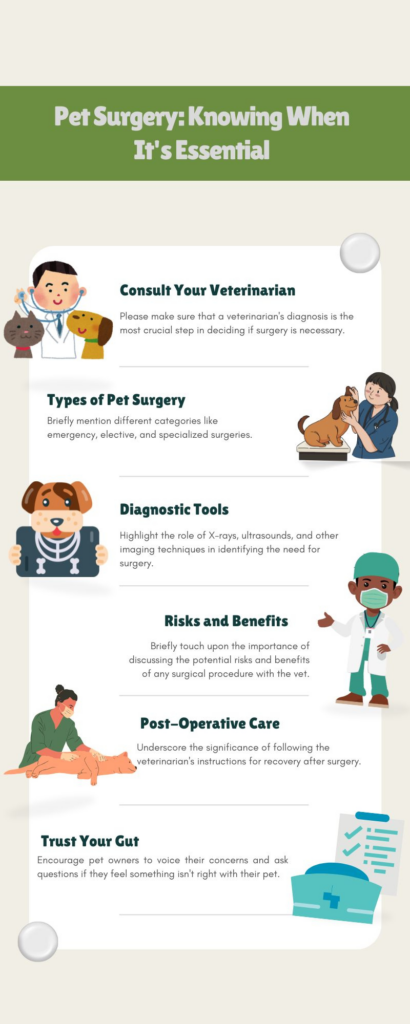
Deciding whether your pet needs surgery can be a stressful and confusing experience. As a loving pet owner, you want to make the best decision for your furry friend’s health and well-being. Understanding the circumstances that necessitate surgery and navigating the process is crucial for providing your pet with the necessary care.
When Is Surgery Necessary for My Pet?
1. Emergency Situations: Immediate Intervention
Surgery is sometimes required immediately to save your pet’s life. Emergencies include internal bleeding from trauma, gastric dilatation-volvulus (GDV or bloat), and severe fractures. These situations demand quick action to prevent life-threatening complications.
2. Diagnostic Purposes: Uncovering Underlying Issues
Sometimes, surgery is needed to diagnose underlying health issues. Biopsies, exploratory surgeries, and other procedures can help veterinarians obtain tissue samples or visualize internal organs to identify diseases like cancer or organ abnormalities.
3. Corrective Procedures: Addressing Congenital or Acquired Conditions
Surgery is often necessary to correct congenital or acquired conditions that affect your pet’s quality of life. This includes hip dysplasia surgery, cruciate ligament repair, and hernia repair. These surgeries alleviate pain, improve mobility, and enhance your pet’s overall health.
4. Tumor Removal: Managing Cancer and Benign Growths
Surgical removal of tumors is a standard procedure for managing cancer and benign growths. Early detection and intervention can significantly improve your pet’s prognosis and quality of life.
5. Foreign Object Removal: Preventing Internal Damage
Pets sometimes ingest foreign objects that can cause intestinal blockages or internal damage. Surgery is often necessary to remove these objects and prevent serious complications.
6. Dental Procedures: Addressing Severe Dental Issues
Severe dental issues like abscesses or fractured teeth may require surgical intervention. Dental surgery can alleviate pain, prevent infections, and improve your pet’s oral health.
7. Spaying and Neutering: Preventative Care and Population Control
Spaying and neutering are standard surgical procedures that offer numerous health benefits, including preventing certain cancers and reducing the risk of infections. These procedures also contribute to population control and reduce the number of homeless animals.
8. Veterinary Evaluation and Consultation: Making Informed Decisions
Your veterinarian plays a crucial role in determining whether surgery is necessary. They will conduct a thorough examination, review your pet’s medical history, and discuss treatment options. Don’t hesitate to ask questions and seek a second opinion if needed.
9. Weighing the Risks and Benefits: Considering Your Pet’s Overall Health
Before making a decision, carefully weigh the risks and benefits of surgery. Consider your pet’s age, overall health, and potential recovery time. Your veterinarian can provide valuable insights to help you make an informed choice.
10. Post-Operative Care and Recovery: Ensuring a Smooth Transition
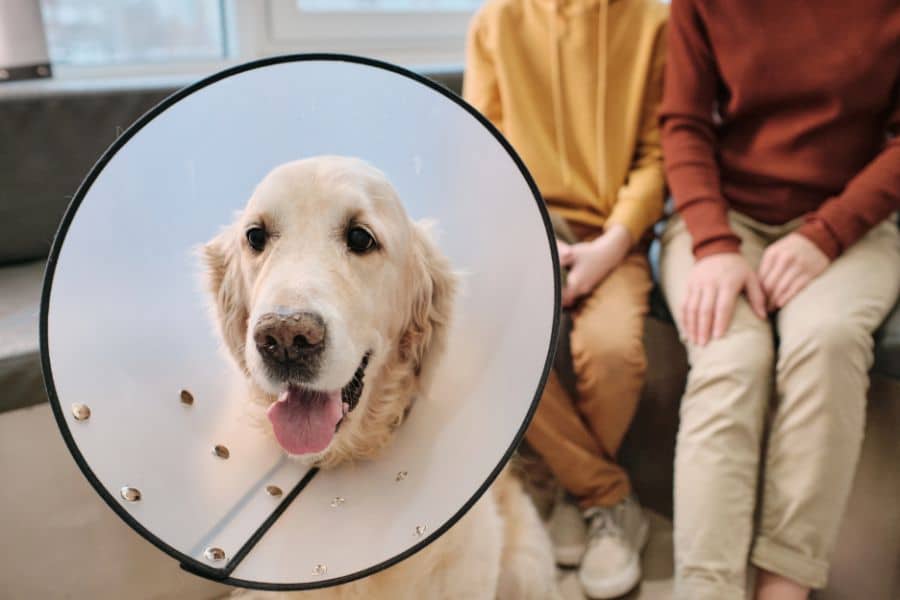
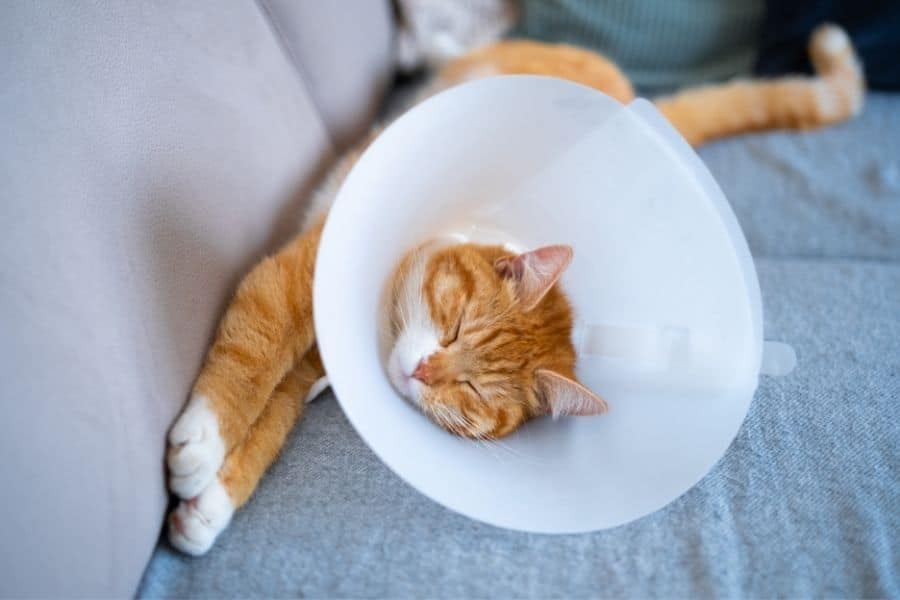
If surgery is necessary, follow your veterinarian’s post-operative instructions carefully. This includes medication administration, wound care, and restrictions on activity. Proper post-operative care is crucial for a smooth recovery and optimal outcome.
Navigating the decision of whether or not to proceed with surgery is a complex process. Remember that you are your pet’s advocate, and your veterinarian is your partner in this journey. Trust your instincts, seek clear communication, and prioritize your pet’s comfort and well-being. By working closely with your vet and providing unwavering support, you can ensure your beloved companion receives the best possible care, leading to a healthier and happier life. Your informed and compassionate decisions are a testament to the deep love you share.

Schedule Your Pet’s Visit Today
For dedicated and professional veterinary care designed to meet your pet's specific needs, please schedule an appointment.