
🐾 Epic Tails Academy (Quarterly Event) • Learn More ›
Why Regular Vet Checkups Are Important for Your Pet

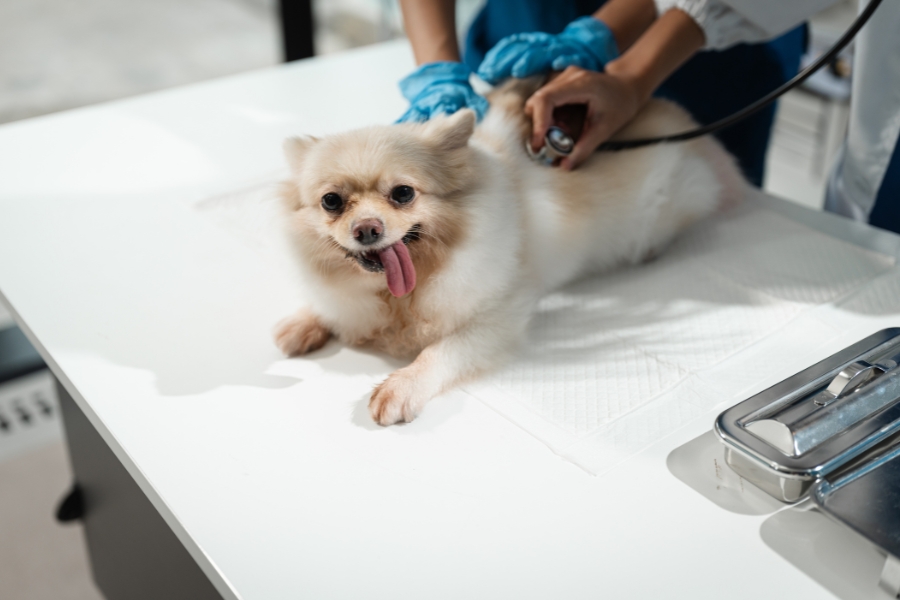
As a loving pet owner, you naturally want the best for your furry companion. While providing nutritious food, exercise, and affection is essential, regular veterinary checkups are just as important. These visits go far beyond vaccinations—they are a vital component of preventive health care.
Let’s explore why scheduling routine vet visits should be a priority and how they can enhance your pet’s quality of life.
1. Early Detection of Health Issues
First and foremost, regular checkups allow veterinarians to catch potential health issues early. Many illnesses, such as kidney disease, arthritis, or even cancer, may not show noticeable symptoms in the early stages. However, a vet can identify subtle signs during a physical exam or through diagnostic testing.
Early diagnosis leads to quicker treatment, better outcomes, and lower veterinary bills in the long run. This proactive approach can add years to your pet’s life.
2. Preventive Care Keeps Pets Healthier
In addition to early detection, preventative care helps your pet avoid diseases altogether. During a routine checkup, your veterinarian will assess vaccination schedules, recommend parasite prevention, and offer advice tailored to your pet’s breed, age, and lifestyle.
Moreover, routine screenings such as blood tests, fecal exams, and dental evaluations are key components of a full health check. These help maintain overall well-being and reduce the likelihood of emergency visits.
3. Weight and Nutritional Management
Transitioning into another critical aspect—weight control. Obesity is a growing issue among pets, leading to diabetes, joint problems, and a decreased lifespan. During checkups, your vet monitors your pet’s weight and body condition.
Furthermore, you’ll receive expert nutritional guidance specific to your pet’s needs. Whether your cat needs a special diet for kidney support or your dog requires more fiber for digestive health, your vet can customize their nutrition plan.
4. Monitoring Behavioral Changes
Behavioral changes often signal underlying health problems. For instance, a sudden change in temperament or energy level might indicate pain, stress, or illness. During regular vet visits, you can discuss these shifts and get professional insights.
Additionally, vets can recommend behavioral training or environmental adjustments to improve your pet’s mental and emotional well-being.
5. Dental Health is Often Overlooked
One of the most overlooked areas of pet health is oral hygiene. Gum disease can lead to tooth loss, pain, and even systemic infections that affect vital organs like the heart and kidneys.
Thankfully, during checkups, your vet can examine your pet’s mouth for signs of dental disease and recommend professional cleanings or at-home care tips. Maintaining dental health is a crucial part of keeping your pet pain-free and thriving.
6. Building a Long-Term Health Record
Another benefit of regular checkups is the development of a comprehensive health history. A consistent medical record helps your vet spot patterns, monitor chronic conditions, and provide more accurate diagnoses.
This continuity of care becomes especially important as your pet ages. Regular monitoring ensures that any gradual changes don’t go unnoticed.
7. Peace of Mind for Pet Owners
Finally, regular checkups give you peace of mind. Knowing that your pet is healthy—or that a condition is being managed—helps you feel more confident as a pet parent. You’re not just reacting to problems; you’re actively working to prevent them.
FAQs
1. How often should I take my pet to the vet?
For most healthy adult pets, annual visits are recommended. However, puppies, kittens, and senior pets may need checkups every 6 months or more.
2. What happens during a routine checkup?
A typical checkup includes a physical exam, vaccination updates, weight check, dental inspection, and sometimes bloodwork or parasite screening.
3. Are regular checkups really necessary if my pet seems healthy?
Yes. Many conditions don’t show visible symptoms until they are advanced. Regular exams help detect hidden issues early.
4. Do indoor pets still need checkups?
Absolutely. Indoor pets can develop diseases, dental problems, and weight issues just like outdoor pets. Routine care is vital regardless of their environment.
5. Can vet visits help with behavioral issues?
Yes. Vets can help diagnose medical causes of behavior changes or refer you to a veterinary behaviorist if needed.
6. Is dental care part of a regular checkup?
Yes. Your vet will check your pet’s teeth and gums during the exam and recommend further treatment if necessary.
In conclusion, regular veterinary checkups are essential for maintaining your pet’s health, happiness, and longevity. These visits allow for early detection of disease, provide preventative care, and ensure that your furry friend is thriving at every life stage.
We’d be honored to be your trusted veterinarian in Charlotte, NC, and share in the joy your pet brings to your life. Whether you’re welcoming a new furry friend or searching for a veterinary hospital that truly values the human-animal bond, Epic Tails Veterinary Clinic is here for you. Call us today at (704) 523-8015 to schedule your first appointment.


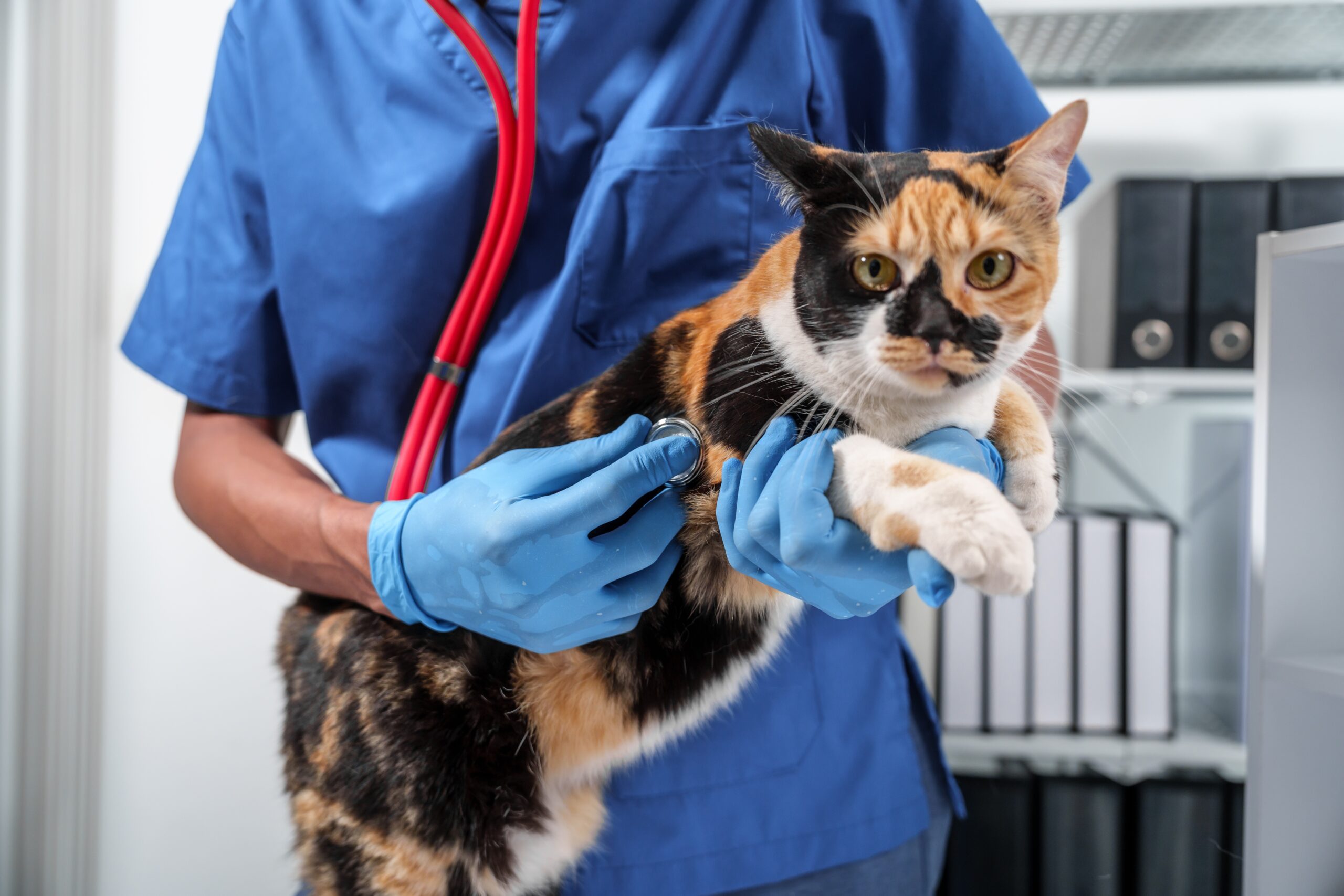
Schedule Your Pet’s Visit Today
For dedicated and professional veterinary care designed to meet your pet's specific needs, please schedule an appointment.