
🐾 Epic Tails Academy (Quarterly Event) • Learn More ›
How Long Does It Take a Female Cat to Recover from Being Spayed?

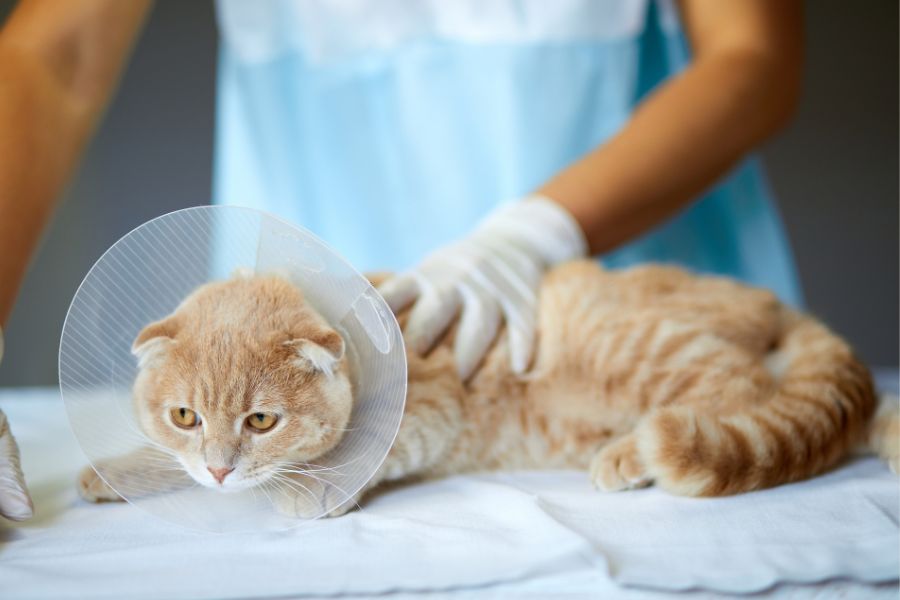
If you’re a cat parent, the thought of your beloved feline undergoing surgery can be stressful. Spaying a female cat is a common procedure that prevents unwanted litters and improves long-term health. Knowing what to expect during recovery can make the process much less worrying—for both you and your cat. In this blog, we’ll break down how long it takes a female cat to recover from being spayed and share practical tips to help her heal comfortably.
Understanding the Spay Procedure
Spaying, or an ovariohysterectomy, is a surgery where a cat’s ovaries and uterus are removed. This procedure prevents pregnancy and helps reduce the risk of serious health problems, like uterine infections and ovarian cancer.
Typically, the surgery is quick—around 20 to 30 minutes—and is performed under general anesthesia. Even though spaying is routine, your cat will need some TLC afterward, and her recovery speed can vary depending on her age, health, and the type of surgery.
Typical Recovery Timeline for Female Cats
Immediate Post-Surgery Recovery
Right after surgery, your cat might seem sleepy, disoriented, or a bit “off” because of the anesthesia. She may nap for several hours and could have a reduced appetite or mild nausea. This is completely normal.
During the first day:
- Keep her in a quiet, warm spot.
- Offer fresh water and small amounts of food once she seems alert.
- Watch for excessive bleeding, vomiting, or signs of discomfort.
A little grogginess is expected, but your presence and gentle care will help her feel safe.
Short-Term Recovery (First 7–10 Days)
The first week after surgery is crucial for healing. Most cats start bouncing back during this time, but you might notice:
- Mild swelling or bruising around the incision
- Slight lethargy
- Reduced appetite
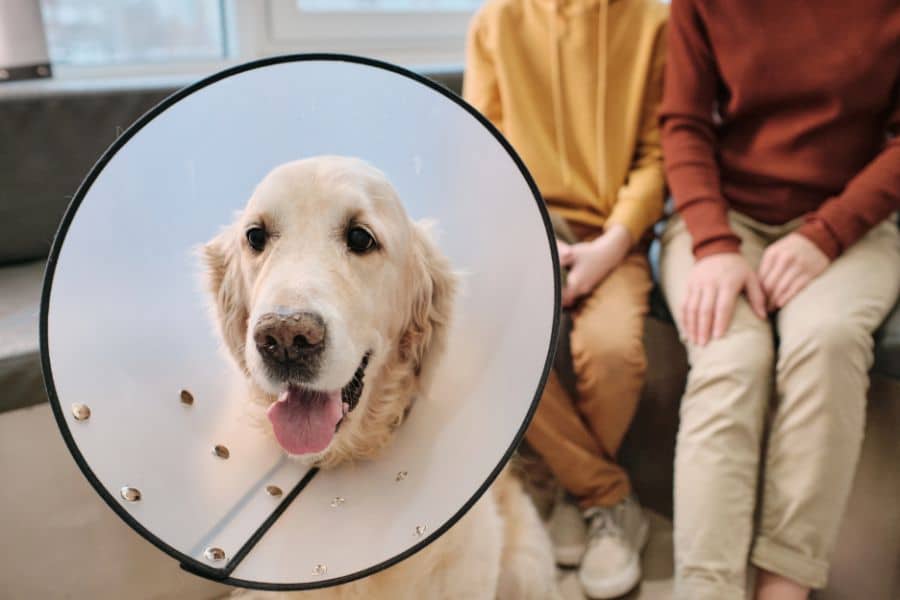
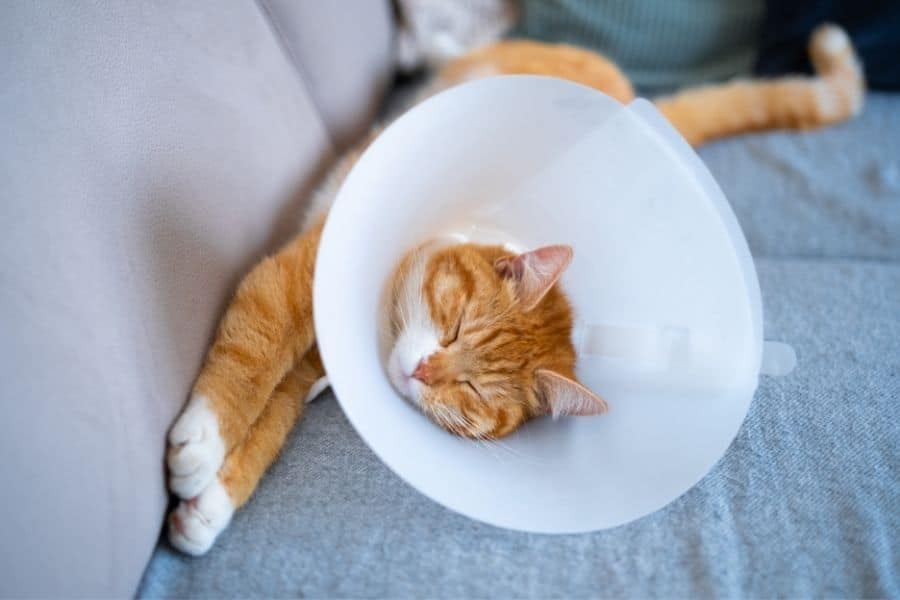
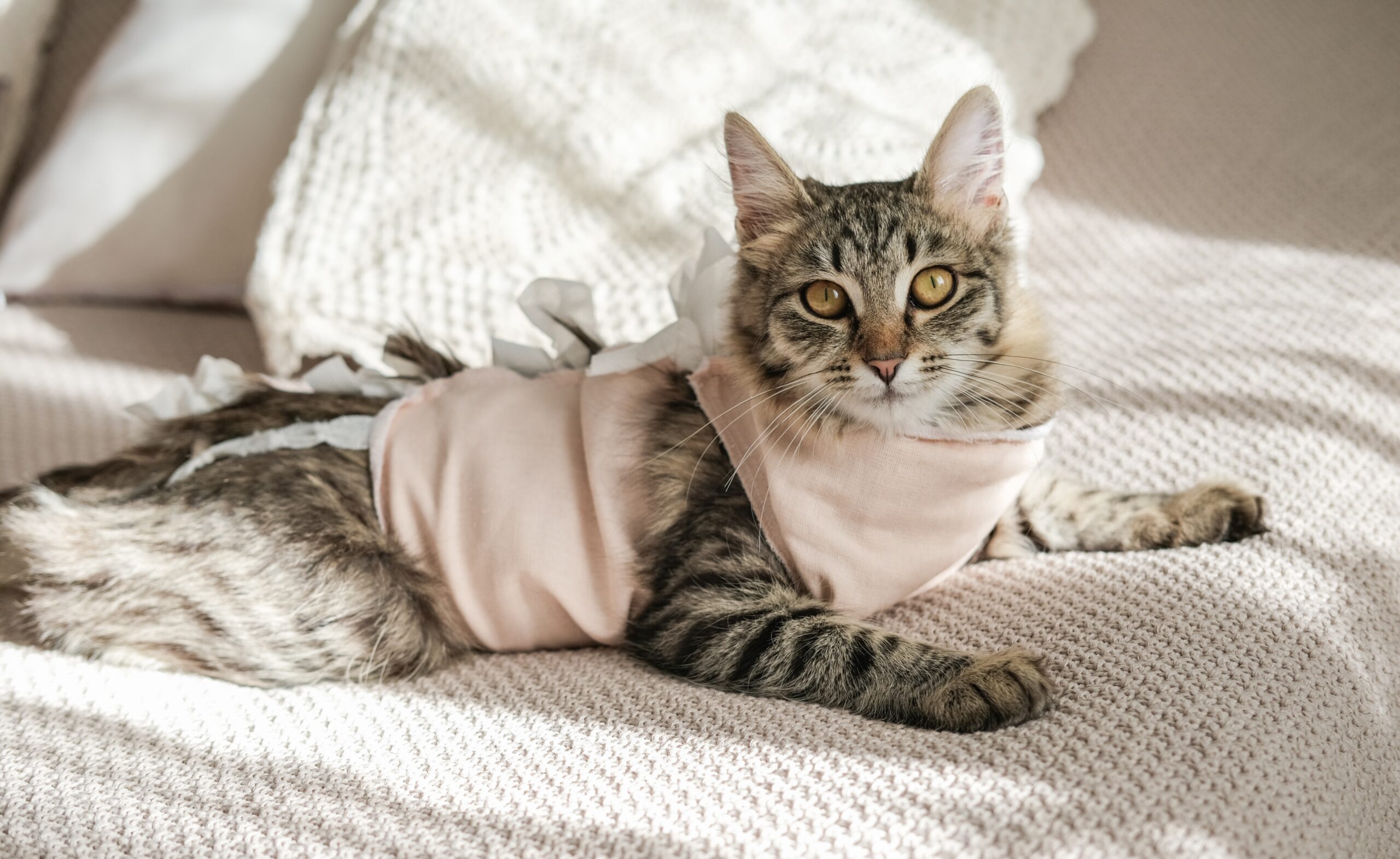
It’s important to limit jumping, running, or rough play, as too much activity can strain the incision. Many veterinarians recommend an Elizabethan collar (the classic “cone”) to prevent licking or biting the sutures.
Full Recovery (2–3 Weeks)
Most cats are fully recovered within 2 to 3 weeks. By then:
- The incision should be fully healed with no redness or discharge
- Energy levels return to normal
- Appetite and bowel habits are back to usual
Following your vet’s instructions carefully during this period is key to avoiding complications like infection or incision reopening.
Tips to Help Your Cat Heal Faster
Helping your cat recover doesn’t have to be complicated. A few simple steps can make a big difference:
- Check the incision daily: Look for swelling, redness, or discharge.
- Limit activity: Keep her indoors and discourage jumping or rough play.
- Keep the area clean: Make sure the incision stays dry and free of debris.
- Create a cozy recovery spot: A quiet, warm area helps her rest.
- Follow feeding instructions: Small, frequent meals can help if her appetite is low.
- Give medications as prescribed: Pain relief or antibiotics should be given exactly as directed.
When to Call the Veterinarian
Most cats recover smoothly, but some signs mean you should get professional help right away:
- Excessive bleeding or swelling at the incision site
- Persistent vomiting or diarrhea
- Severe lethargy after the first day
- Pain that doesn’t improve with medication
Prompt attention can prevent complications and keep your cat safe.
Typically, a female cat recovers from being spayed within 2 to 3 weeks, with the first week requiring the most care and monitoring. With a calm environment, proper care, and attention to her needs, your cat can heal comfortably and quickly. Spaying is more than just a routine procedure—it’s a step toward a healthier, happier life for your furry friend.
Schedule Your Pet’s Visit Today
For dedicated and professional veterinary care designed to meet your pet's specific needs, please schedule an appointment.