
🐾 Epic Tails Academy (Quarterly Event) • Learn More ›
Essential Tips to Keep Your Cat’s Teeth Clean and Healthy

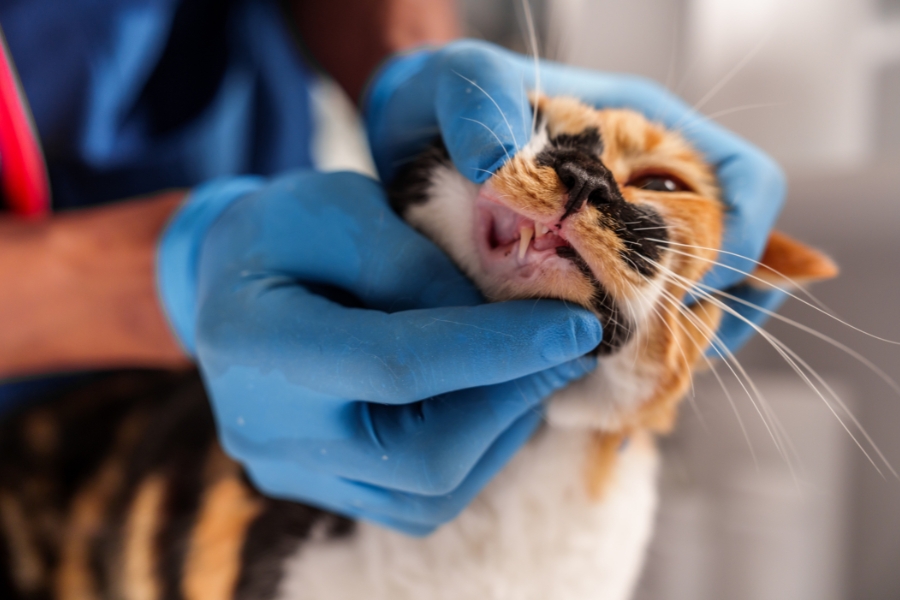
As a cat owner in Charlotte, NC, you may be aware of the importance of regular grooming, but one aspect that often gets overlooked is cat dental care. Just like humans, cats can develop dental problems such as gum disease, plaque buildup, and even tooth loss. In fact, dental disease is one of the most common health issues in cats, and it can lead to serious complications if not addressed early. Fortunately, there are several steps you can take to keep your cat’s teeth clean and healthy.
In this blog, we’ll share essential tips for maintaining your feline’s oral health, helping them avoid painful dental issues while ensuring they live a long, healthy life.
1. Start Brushing Your Cat’s Teeth Early
It’s never too early to start taking care of your cat’s teeth. If you have a kitten, it’s a great time to introduce brushing as part of their regular grooming routine. While it may take some time to get your cat accustomed to having their teeth brushed, starting early can make the process easier in the long run.
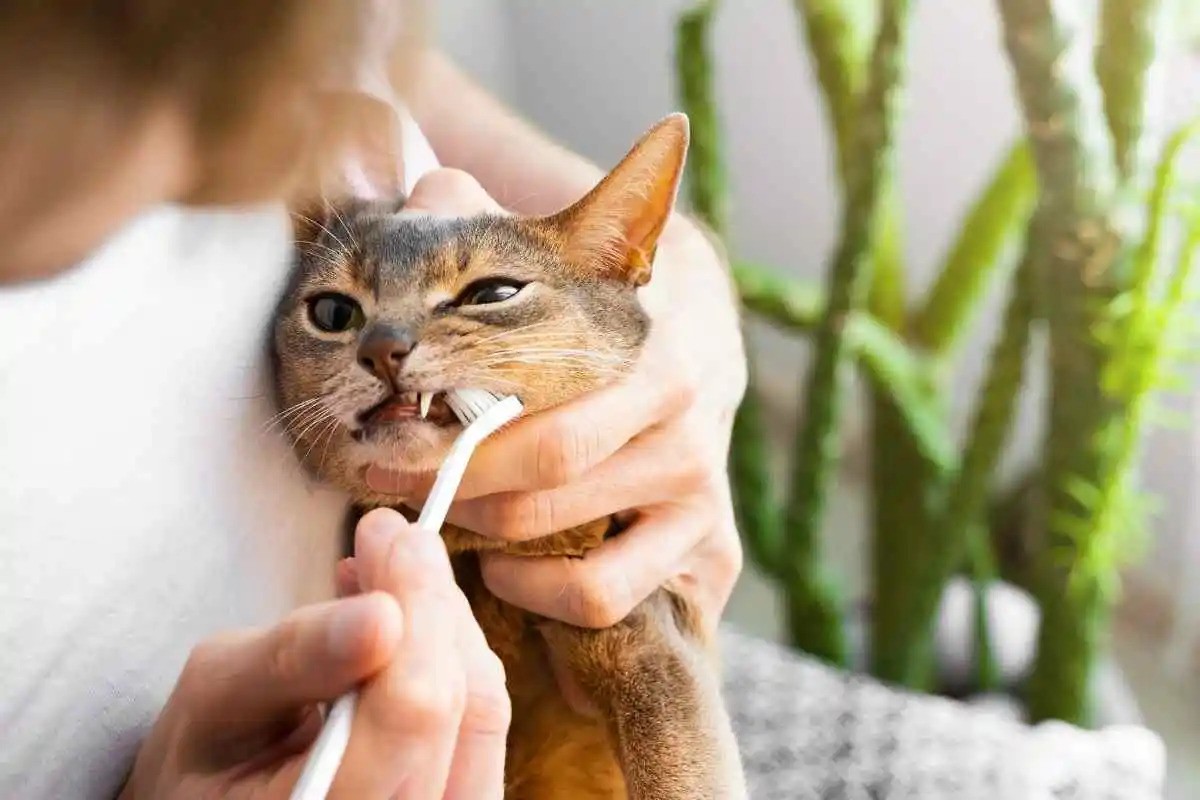
To begin, use a cat-specific toothbrush and toothpaste. Never use human toothpaste, as it contains ingredients that are harmful to cats. Gently lift your cat’s lips and rub the toothbrush along their teeth, using short, gentle strokes. Aim for brushing your cat’s teeth a few times a week to effectively prevent plaque buildup.
2. Choose the Right Food and Treats for Dental Health
Your cat’s diet plays a significant role in their dental health. Dry cat food can help reduce plaque buildup, but it should not be relied upon as the sole method of oral care. There are also special dental formulas available that contain ingredients designed to support oral hygiene by reducing tartar and plaque formation.
Additionally, dental treats are a great way to supplement your cat’s routine and promote clean teeth. Look for treats that are designed specifically for cats and have a crunchy texture that helps scrub the teeth as your cat chews. Keep in mind, however, that these treats should be used in moderation, and they should never replace regular brushing.
3. Use Dental Chews and Toys
Cats have a natural instinct to chew, and offering dental chews or chew toys can help promote good oral health. These chews are designed to massage the gums and clean the teeth, which helps to reduce plaque buildup. Choose toys that are durable but gentle on your cat’s teeth. Rubber or soft plastic dental toys are a great option because they are designed to clean the teeth without causing any harm.
Be sure to supervise your cat while they are chewing, and regularly check the toys for wear and tear to ensure they remain safe. These toys can also serve as an enrichment activity to keep your cat mentally stimulated while supporting their oral health.
4. Regular Veterinary Checkups and Professional Cleanings
Even with diligent home care, it’s important to schedule regular veterinary checkups for your cat’s teeth. During these checkups, your veterinarian will perform a thorough examination of your cat’s mouth, checking for any signs of dental disease, such as swelling, redness, or loose teeth. Early detection of dental problems can save you time, money, and your cat’s health.
In some cases, your vet may recommend professional dental cleanings. Professional cleanings are especially important if your cat has developed significant tartar buildup that brushing cannot remove. Your veterinarian will clean your cat’s teeth under anesthesia, ensuring that plaque and tartar are completely removed and your cat’s mouth is free of harmful bacteria. Regular dental cleanings are an important part of long-term dental care for your cat.
5. Watch for Signs of Dental Problems
One of the most important things you can do as a cat owner is to keep an eye out for the signs of dental issues. The earlier you catch problems, the easier they are to treat. Some common signs that your cat may have dental issues include:
- Bad breath: While a mild odor is normal, strong, foul-smelling breath is often a sign of dental disease.
- Drooling or difficulty eating: If your cat is having trouble chewing, it could be due to painful teeth or gums.
- Red or swollen gums: Gingivitis, an early stage of gum disease, is common in cats and can cause their gums to become inflamed and tender.
- Discolored or missing teeth: Yellow or brown teeth are a sign of plaque and tartar buildup, and missing teeth may indicate severe dental disease.
If you notice any of these symptoms, contact your veterinarian immediately for a thorough evaluation.
6. Encourage Hydration
Water is essential for your cat’s overall health, including their dental health. Proper hydration helps keep your cat’s mouth moist, preventing dry mouth, which can lead to bad breath and an increased risk of gum disease. Ensure your cat always has access to fresh water, and consider adding wet food to their diet, as it contains more moisture than dry kibble. Cats can be picky about water bowls, so consider experimenting with a cat water fountain, which many cats find more appealing.
As a responsible pet owner in Charlotte, it’s important to prioritize cat dental care to ensure your cat lives a long and healthy life. Regular brushing, the right diet, dental chews, and professional cleanings can all contribute to maintaining your cat’s dental health. Additionally, paying attention to any signs of dental problems and seeking veterinary care when necessary will help prevent serious dental issues down the road.
At Epic Tails Veterinary Clinic, we are here to help you keep your cat’s teeth clean and healthy. If you have any concerns about your cat’s dental health or need advice on creating a dental care routine, don’t hesitate to contact us. We’re committed to providing the best possible care for your feline friend.
FAQs
Q1. How often should I brush my cat’s teeth?
Ans. It’s recommended to brush your cat’s teeth at least two to three times a week to reduce plaque buildup and prevent dental disease effectively.
Q2. Can I use human toothpaste to brush my cat’s teeth?
Ans. No, human toothpaste contains fluoride, which is toxic to cats. Always use toothpaste that is specifically designed for cats.
Q3. What are the signs that my cat may have dental problems?
Ans. Signs of dental issues in cats include bad breath, drooling, difficulty eating, red or swollen gums, and discolored or loose teeth.
Q4. Are dental treats effective in keeping my cat’s teeth clean?
Ans. Dental treats can help reduce plaque and tartar, but they should not replace regular brushing. They can be a good supplement to your cat’s dental routine.
Q5. How often should my cat have a professional dental cleaning?
Ans. It’s a good idea to schedule a professional cleaning once a year, but your veterinarian may recommend more frequent cleanings depending on your cat’s dental health.
Q6. Can a poor diet affect my cat’s teeth?
Ans. Yes, a poor diet can contribute to dental problems. Ensure that your cat’s diet includes proper nutrition and dental-friendly food options that help prevent plaque buildup.
Schedule Your Pet’s Visit Today
For dedicated and professional veterinary care designed to meet your pet's specific needs, please schedule an appointment.